

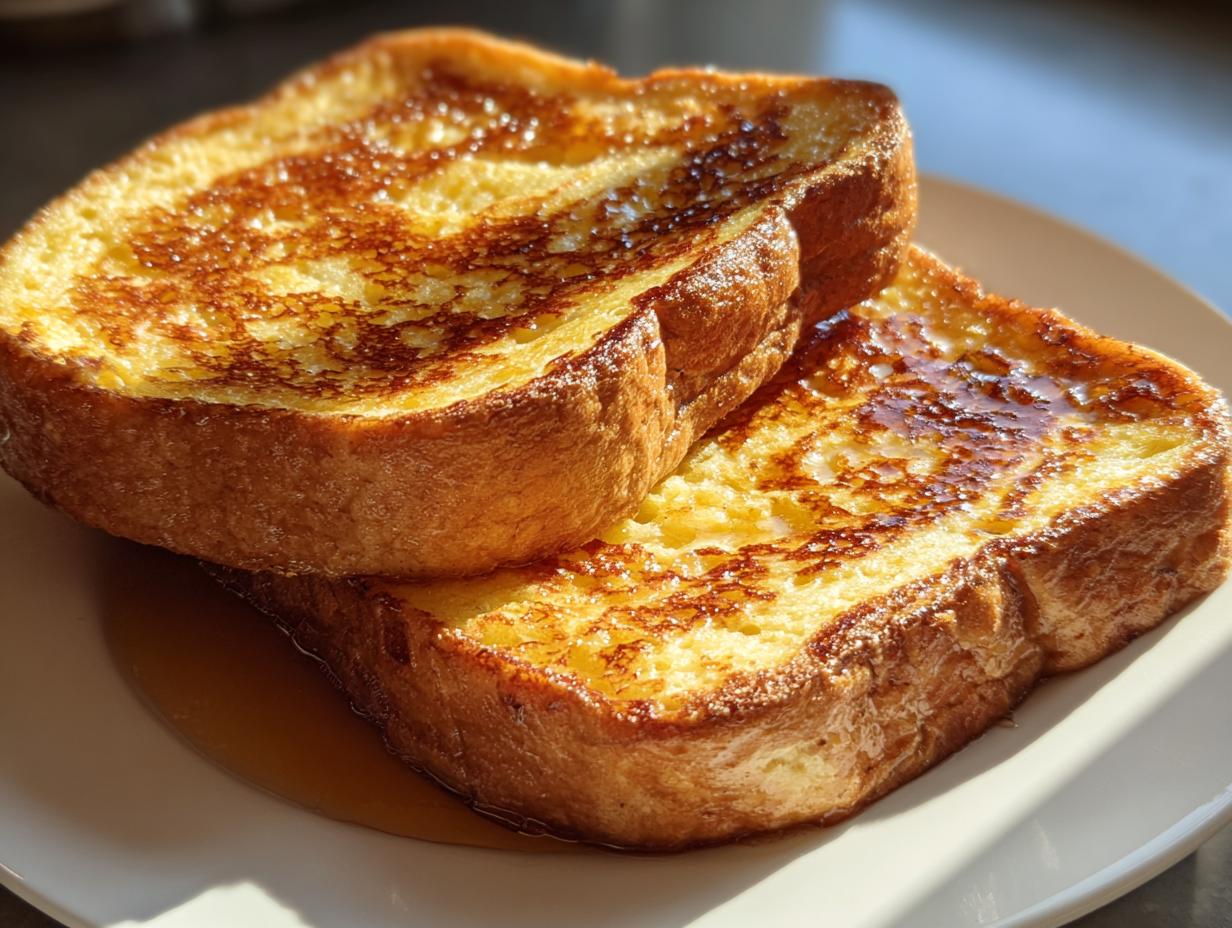
Listen, if I have to rescue one more piece of French toast that has collapsed into a sad, soggy puddle on the skillet, I might scream! We all love a good breakfast, but nobody wants mush. That’s why my focus, channeling my grandmother Daisy’s philosophy of simple, honest food, is on making the ultimate easy sourdough French toast. This recipe is the answer. It guarantees you’ll get those dreamy, crispy outside, custardy inside results every single time. It’s truly the best way to transform those leftover sourdough slices.
- Why This Easy Sourdough French Toast Recipe Works (E-E-A-T)
- Gathering Ingredients for Perfect Sourdough French Toast
- Step-by-Step Instructions for Sourdough French Toast
- Expert Tips for Next-Level Sourdough French Toast
- Serving Suggestions for Your Sourdough Breakfast Ideas
- Storage and Reheating Sourdough French Toast
- Variations: Beyond Classic Sourdough French Toast
- Frequently Asked Questions About Sourdough French Toast
- Nutritional Estimates for Sourdough French Toast
Why This Easy Sourdough French Toast Recipe Works (E-E-A-T)
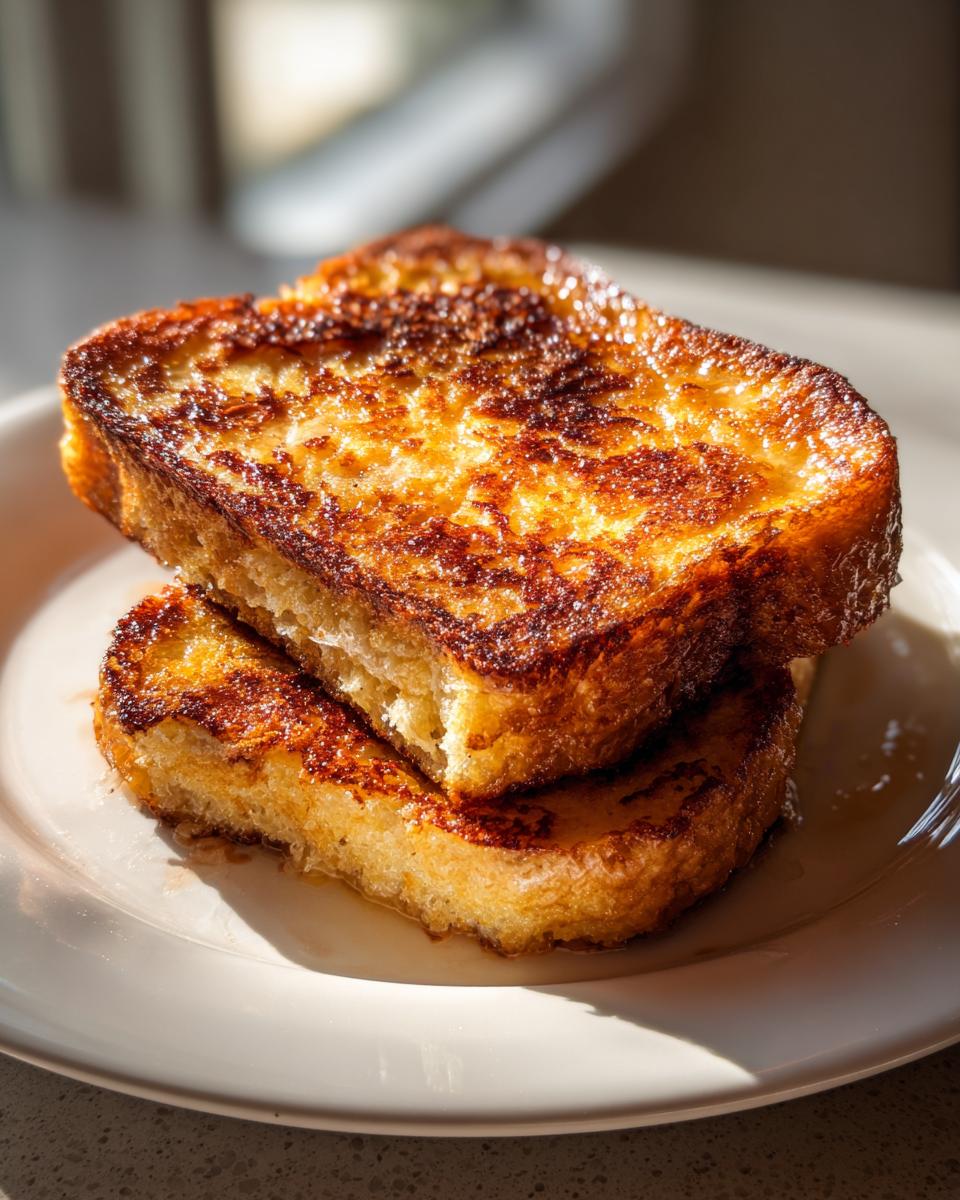
When I first started recreating Grandma Daisy’s favorite dishes in my own apartment, I realized the bread choice mattered more than anything! Regular bread just can’t handle a good soak. That’s where sourdough shines. Its natural, slight acidity and tighter crumb structure mean it stands up beautifully to our rich custard. This is why we get that incredible texture: beautifully custardy french toast that somehow keeps crispy french toast edges.
It feels like reclaiming a little piece of heritage, turning something that might otherwise go stale into something truly gourmet. For more tips on elevating your French toast game, check out my guide to the ultimate French toast best recipe.
The Sturdiness of Sourdough Bread
Think of sourdough like a little sponge, but stronger! Unlike commercially yeasted white bread, the gluten structure in sourdough is tighter. This means it absorbs all that lovely cinnamon and vanilla egg mixture without turning into soup. It holds its shape perfectly when it hits the hot griddle, which is the secret to avoiding that soggy bottom issue everyone hates!
Flavor Profile: Tang Meets Sweet Spice
Honestly, this is what pushes our breakfast into gourmet breakfast recipes territory without any extra effort. The slight tang from the sourdough—that little bit of sourness—cuts through the richness of the eggs and the sweetness of the syrup we put on top. It balances beautifully with the warm notes from the cinnamon and nutmeg we use. It’s balanced, bright, and just doesn’t taste like anything else.
Gathering Ingredients for Perfect Sourdough French Toast
Getting everything ready first is just good kitchen manners, right? Grandma Daisy always said mise en place saves you from kitchen panic. For this amazing sourdough breakfast idea, you don’t need much, but those few things have to be just right. We’re keeping it super simple so you can have this wonderful dish ready in about 20 minutes total!
- 6 thick slices sourdough bread
- 3 large eggs
- 1/2 cup half-and-half or whole milk
- 1 teaspoon vanilla extract
- 1/2 teaspoon ground cinnamon
- 1/4 teaspoon ground nutmeg
- 1 tablespoon granulated sugar
- Pinch of salt
- 2 tablespoons butter, for cooking
Ingredient Clarity: Choosing Your Sourdough
This might be the most important ingredient note: please, please use slightly stale or day-old sourdough. If your loaf is fresh and super soft, it’s going to want to fall apart when you dip it. Day-old bread—the kind that’s just starting to firm up—is perfect because it soaks up the custard beautifully without collapsing. That’s the secret trick for how to use old sourdough bread in the most delicious way possible. We are looking for thick slice french toast here, none of that flimsy stuff!
Step-by-Step Instructions for Sourdough French Toast
Okay, now that we have our perfect, slightly sturdy bread and our wonderful spiced custard, it’s time to put it all together! This whole process moves really fast, which is why these qualify as easy morning treats. Remember, the order here matters if you want that perfect, fluffy interior and shatteringly crisp exterior.
Creating the Custard Base for Sourdough French Toast
Grab that shallow dish—a pie plate works perfectly—and crack in your three eggs. Whisk them until they are frothy and pale. Then, pour in your half-and-half, vanilla, cinnamon, nutmeg, sugar, and salt. Whisk it good! You want to make sure that tablespoon of sugar and that pinch of salt are totally dissolved before you even think about dipping bread. A grainy custard makes for grainy toast, and we’re aiming for silky smooth here.
The Soaking Technique for Thick Slice French Toast
This is where we treat our thick slice french toast with respect! Dip one piece of sourdough in the mixture. I usually let it sit for just about 15 seconds on the first side, then flip it over and let the second side soak for another 15 or 20 seconds. Because sourdough is sturdy, it can handle that little bit of extra time to really get saturated without turning mushy. Don’t let it hang out forever, though—we’re aiming for great absorption, not a liquid spill!
Achieving Crispy French Toast Edges on the Griddle
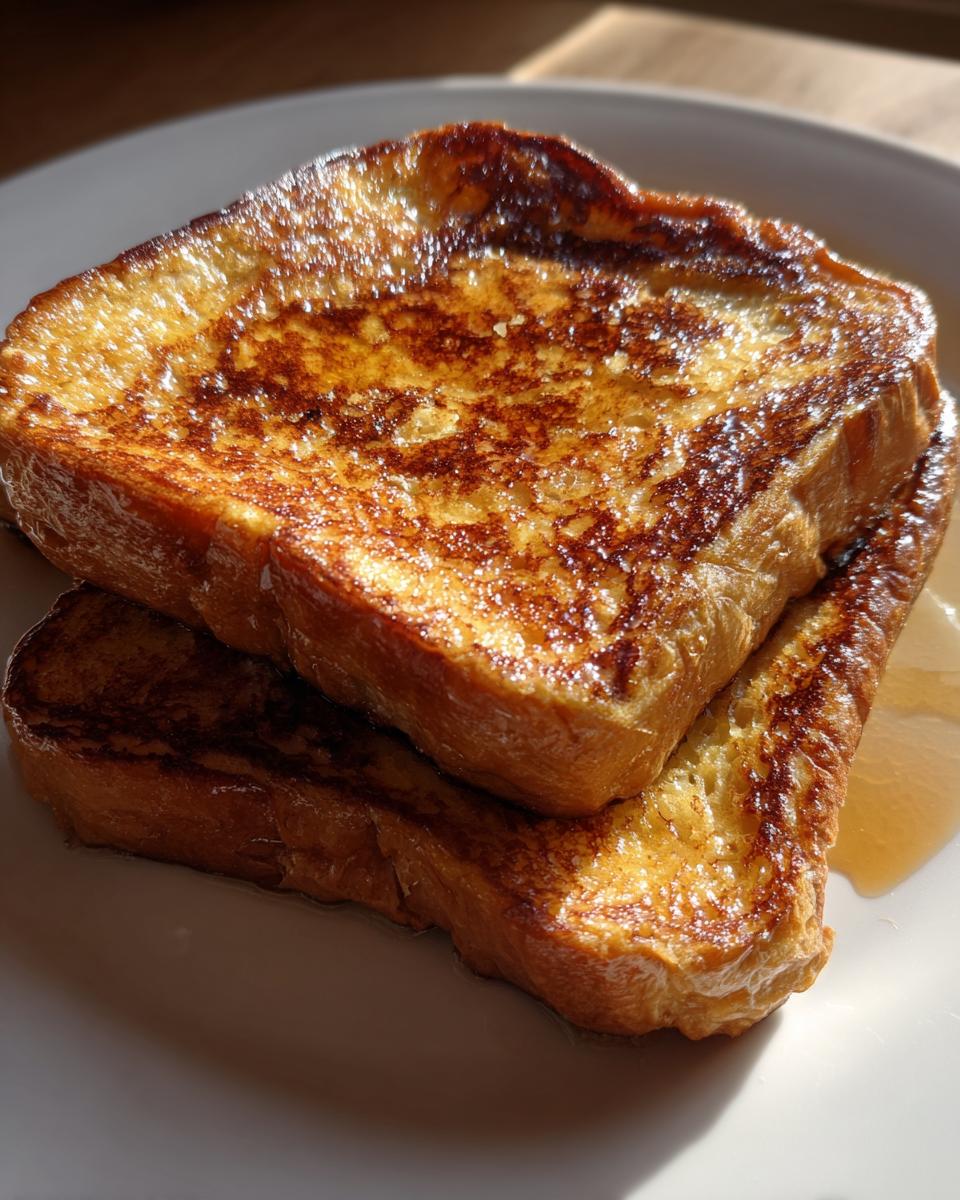
Get your skillet or griddle going over medium heat—don’t rush this! Drop in half of your butter and let it melt until it just starts to foam and coat the surface. Place your soaked slices down gently. You want to hear that sizzle! Cook for about 3 to 4 minutes per side. That’s how you build those beautiful, golden-brown, crispy french toast edges. Keep adding small bits of butter between batches to keep things flavorful and prevent sticking. Once they look golden and feel slightly firm when you peek at them, they are done! If you’ve ever struggled making dough from scratch, I have a great, simple recipe for ultimate easy homemade pizza dough recipe that proves simple steps lead to great results.
Expert Tips for Next-Level Sourdough French Toast
Okay, once you’ve mastered the basics, we can start making these shine for your next big weekend brunch recipes. My grandmother always kept a few little secrets up her sleeve, and I’ve added a few modern tweaks that really make a difference for that rich, cinnamon vanilla french toast flavor without being too sweet.
Flavor Boosts: Adding Brown Sugar to the Custard
If you want a deeper, almost caramelized note in your custard that plain white sugar just can’t give you, here’s the trick: swap that tablespoon of granulated sugar for a tablespoon of dark brown sugar. It adds depth! Trust me, the molasses content really marries beautifully with the tang of the sourdough. If you enjoy those warm spiced flavors, you might even love my recipe for cinnamon vanilla buttercream frosting recipe—though maybe save that for the side!
Adjusting Soak Time for Custard Preference
The standard 15–20 seconds per side is great for a golden, firm French toast. But if you are truly chasing that ultra-rich, melt-in-your-mouth texture, you can let the thick slices soak for up to 30 seconds per side. Since sourdough is so sturdy, it can actually handle it! This extra soak time guarantees you get that deeply saturated, fully custardy french toast center we’re aiming for.

Serving Suggestions for Your Sourdough Breakfast Ideas
Once it’s golden brown and perfectly cooked, the real fun begins! I grew up with just butter and warm maple syrup—classic comfort—but now I love turning this into a proper spread for a special occasion. For a simple treat, a dollop of homemade cinnamon butter is incredible. You can find my copycat recipe for that incredible cinnamon butter Texas Roadhouse copycat recipe right here!
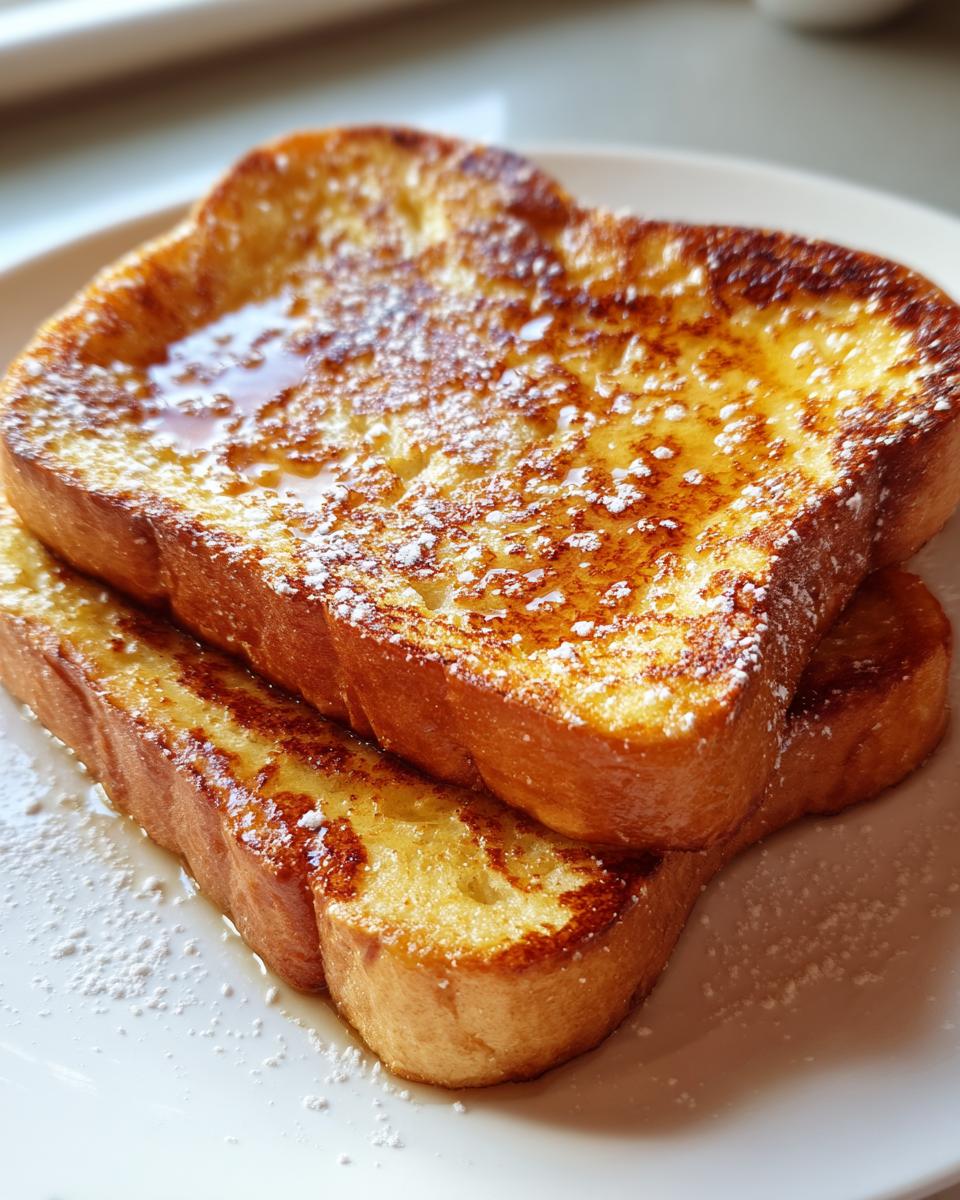
If you want to go a little more gourmet, try fresh berries! A drizzle of homemade strawberry syrup cuts through the richness beautifully. Look at the directions for my strawberry milk homemade fresh syrup recipe—that syrup works wonders here. A sprinkle of powdered sugar always makes it look like it came from a fancy cafe.
Storage and Reheating Sourdough French Toast
I always hope there are leftovers because this tastes almost as good the next day! If you have any extra sourdough french toast, stash it in an airtight container in the fridge for up to three days. The key to reheating, though, is avoiding the microwave—that guarantees sogginess!
To get those crispy french toast edges back, use a dry skillet or a toaster oven set to medium heat. Lay the slices right on the hot surface, no butter needed, and warm them for just 2 to 3 minutes per side until they crisp up again. It brings them right back to life for a super quick weeknight breakfast!
Variations: Beyond Classic Sourdough French Toast
While this pan-fried method is my absolute favorite for a quick meal, I always keep other ideas in mind for those bigger family brunches. Sometimes you just need to feed a crowd, and truthfully, leftover sourdough is perfect for doubling up recipes! We can even take these flavor profiles toward that delicious dessert territory, similar to a classic bread pudding old-fashioned vanilla sauce.
That sturdy sourdough base is really what makes alternative ideas like baked French toast so successful. It just doesn’t fall apart on you!
Turning Sourdough French Toast into a Casserole
If you’re looking for amazing homemade breakfast ideas that let you sleep in a bit, you can totally adapt this custard base into a make ahead french toast casserole. It’s just a matter of cutting the bread into cubes, dousing them in the mixture, and baking it low and slow.
You can find some great inspiration for adapting this technique over at Sourdough French Toast Bake, which shows exactly how those cubes hold up. It’s perfect when you need a wow factor without standing over the stove early on a Saturday!
Frequently Asked Questions About Sourdough French Toast
When you’re following a new recipe—especially one that relies on specific bread textures—you always have questions bubbling up. I get it! I’ve pulled together the most common things people ask me about achieving that perfect custardy french toast texture.
Can I use fresh sourdough bread for this recipe?
Oh, honey, resist the urge! You really want to use day-old or slightly stale bread here. Fresh sourdough is too soft on the inside, and when you soak it, it will just become mushy and fall apart before it even sees the heat. Stale bread is thirsty, but it has the structure to hold up!
What is the best milk substitute for this sourdough french toast?
For the absolute richest flavor, I swear by whole milk or half-and-half because of the fat content—it makes the custard so luxurious. But if you’re dairy-free or just don’t have milk on hand, unsweetened almond milk works surprisingly well. Try to avoid sweetened milks so you can control the final sweetness!
How can I make this a quick weeknight breakfast?
If you want this for a quick weeknight breakfast, you really need to plan ahead just a tiny bit. The main time saver is prepping the custard mixture the night before! Store the whisked custard in the fridge. In the morning, just pull out the bread, dip it right away, and get cooking. It truly makes the morning routine painless!
If you’re looking for some incredibly fast and easy savory ideas for another night, check out my guide to quick easy canned salmon salad.
Nutritional Estimates for Sourdough French Toast
Now, I know lots of us aren’t counting every bite when it comes to a weekend brunch recipe like this, but figuring out what’s in our food is just part of being a good home cook, right? Here are the general estimates for two slices of this delicious dish. Please remember these are just ballpark figures, because if you use extra butter or a different kind of milk, things will change!
Serving Size: 2 slices
- Calories: 350
- Sugar: 12g
- Fat: 18g
- Protein: 14g
This is why I always say these numbers are guidelines. If you drizzle on a ton of maple syrup, you’re adding to that sugar count! But for a hearty breakfast that keeps you full until lunch, it’s honestly a solid start.
PrintUltimate Easy Sourdough French Toast: Crispy Outside, Custardy Inside

Make the best breakfast using leftover sourdough bread. This recipe delivers crispy edges and a soft, custardy center every time, avoiding sogginess.
- Prep Time: 5 min
- Cook Time: 15 min
- Total Time: 20 min
- Yield: 3 servings 1x
- Category: Breakfast
- Method: Pan Frying
- Cuisine: American
- Diet: Vegetarian
Ingredients
- 6 thick slices sourdough bread
- 3 large eggs
- 1/2 cup half-and-half or whole milk
- 1 teaspoon vanilla extract
- 1/2 teaspoon ground cinnamon
- 1/4 teaspoon ground nutmeg
- 1 tablespoon granulated sugar
- Pinch of salt
- 2 tablespoons butter, for cooking
Instructions
- Whisk together the eggs, half-and-half, vanilla extract, cinnamon, nutmeg, sugar, and salt in a shallow dish until well combined. This creates your rich custard base.
- Heat a large griddle or non-stick skillet over medium heat. Add half of the butter and let it melt and coat the surface.
- Dip each slice of sourdough bread into the egg mixture, allowing it to soak for about 15 to 20 seconds per side. Sourdough’s sturdiness prevents it from becoming soggy too quickly.
- Place the soaked bread onto the hot griddle. Cook for 3 to 4 minutes per side, until the French toast is golden brown and has crispy edges.
- Add the remaining butter as needed between batches.
- Serve immediately with your favorite toppings like maple syrup and fresh fruit for a gourmet breakfast experience.
Notes
- Use slightly stale or day-old sourdough bread for the best texture; it absorbs the custard without falling apart.
- For extra flavor, add 1/2 teaspoon of brown sugar to the egg mixture.
- If you prefer a thicker custard soak, let the bread sit for up to 30 seconds per side.
Nutrition
- Serving Size: 2 slices
- Calories: 350
- Sugar: 12
- Sodium: 350
- Fat: 18
- Saturated Fat: 9
- Unsaturated Fat: 9
- Trans Fat: 0
- Carbohydrates: 35
- Fiber: 2
- Protein: 14
- Cholesterol: 150