

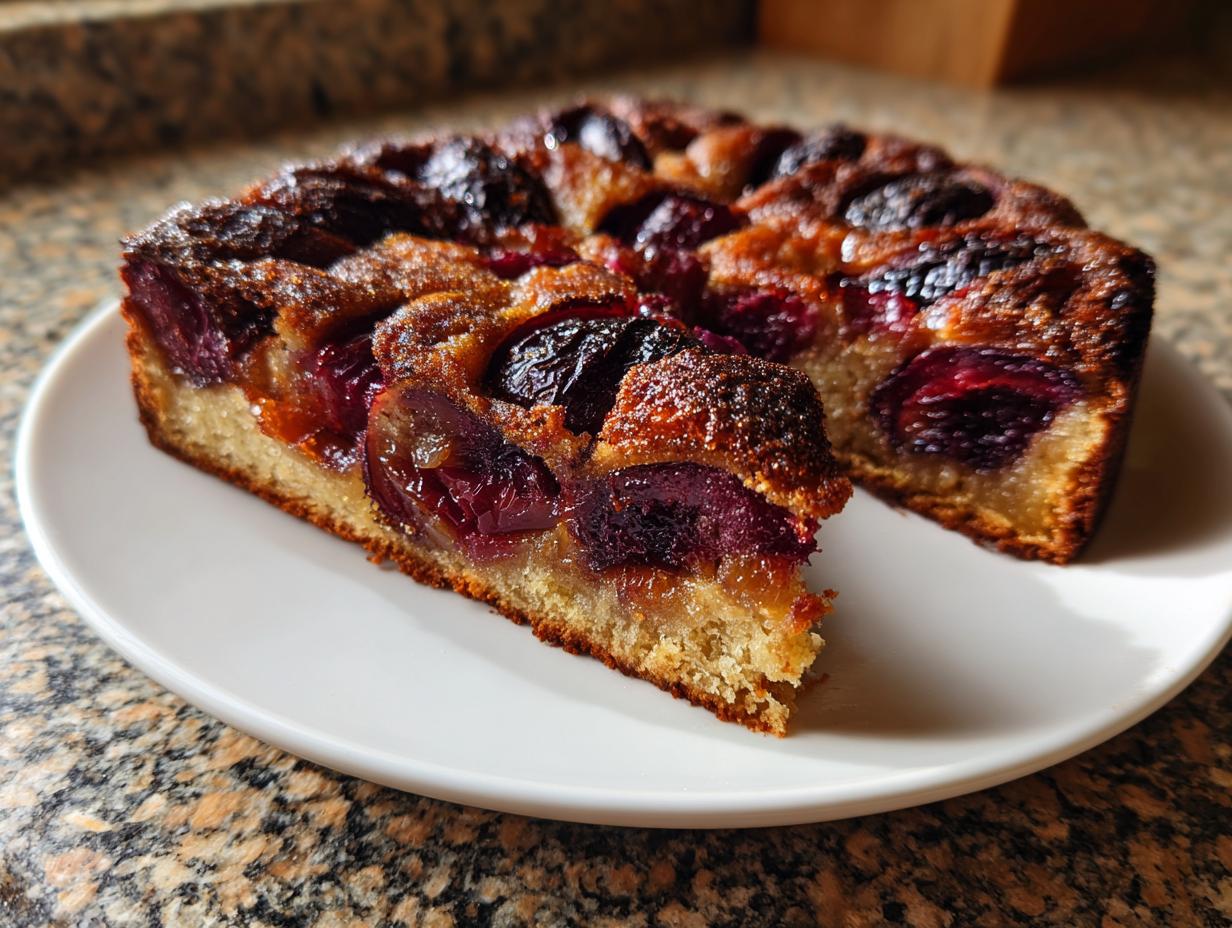
There is just something magical that happens when the late summer air starts to turn crisp. It’s the signal that the harvest bounty is ready, and for me, that means turning back to the traditions I learned watching my Grandmother Daisy. She always said that the best celebrations started with baking something simple and honest, and nothing signals fall comfort quite like a perfectly made german plum cake. Forget those overly fussy tarts you see everywhere else; we’re making Pflaumenkuchen the way it’s meant to be—nestled on a soft, slightly sweet yeast dough base.
When I first moved back to cooking for myself, trying to recapture the warmth of Daisy’s kitchen, this cake was my first real mission. It took me several tries to get that dough just right—not too dense, not too airy—but now, I’ve landed on what I truly believe is the Best Zwetschgenkuchen Recipe out there. This recipe uses that authentic, slightly chewy yeast dough that holds up beautifully to the sweet-tart burst of fresh prune plums. It’s the ultimate expression of European seasonal baking, and I’m so happy to share this piece of my heritage with you. I promise, once you get that beautiful aroma filling your house, you’ll understand why this german plum cake reigns supreme!
If you’re interested in other comforting baking projects that remind me of home, you should check out my favorite chewy fruitcake cookies—they sure have that same old-fashioned soul!
- Why This Traditional German Plum Cake Recipe Works
- Ingredients for Authentic German Plum Cake (Pflaumenkuchen)
- How to Make German Plum Cake with Yeast Dough
- Ingredient Notes and Substitutions for german plum cake
- Tips for Success When Making German Plum Cake
- Variations on the Classic german plum cake
- Serving Suggestions for this Rich German Fruit Tart
- Frequently Asked Questions About german plum cake
- Nutritional Estimates for german plum cake
Why This Traditional German Plum Cake Recipe Works
What sets this german plum cake apart, honestly, is that the recipe honors tradition while still being incredibly easy for a weeknight bake. Daisy never overcomplicated things; she just respected the ingredients. This method gets you that deeply authentic flavor without requiring days of proofing or complicated pastry work.
Trust me, this is the way to go for the Best Zwetschgenkuchen Recipe you’ll ever try at home. It’s all about the foundation and the finish.
- It uses a proper yeast dough base, which creates that satisfying, slightly chewy texture you don’t get with a simple shortcrust.
- The topping is simple—cinnamon and sugar, maybe a few almonds—which lets those perfectly tart plums really shine through. No heavy custard to hide behind!
- We’re keeping the complexity low but the flavor high. That’s what Daisy taught me about great seasonal baking.
If you ever want to experiment with citrus next time your oven is hot, my easy moist orange juice cake is another family favorite!
Ingredients for Authentic German Plum Cake (Pflaumenkuchen)
When you’re aiming for an authentic german plum cake, the ingredients matter—especially the plums! My grandmother Daisy insisted on using the right structure of fruit because it holds its shape and releases just the right amount of tartness against the sweet dough. We’re using a yeast dough, so don’t skip the yeast step; that’s key here!
You’ll notice there isn’t a fancy custard or heavy streusel here. That kept things moving quickly in Daisy’s kitchen. We use basic pantry staples for the base, letting the fresh fruit do the heavy lifting. Make sure you have about two pounds of those Italian prune plums, that’s what we call Zwetschgen over there!
Here is everything you need for the Authentic Pflaumenkuchen Recipe. If you ever need a different kind of dense, rich bake for the holidays, my recipe for classic moist fruitcake is a showstopper!
- 1 cup warm milk
- 2 1/4 teaspoons active dry yeast
- 1/4 cup granulated sugar, plus 1 teaspoon for yeast
- 2 1/2 cups all-purpose flour, plus more for dusting
- 1/2 teaspoon salt
- 1 large egg
- 4 tablespoons unsalted butter, melted
- 2 pounds fresh Italian prune plums (Zwetschgen), halved and pitted
- 1/4 cup granulated sugar, for topping
- 1 teaspoon ground cinnamon
- 1/2 cup heavy cream, for brushing
- 2 tablespoons slivered almonds (optional)
How to Make German Plum Cake with Yeast Dough
Okay, deep breath! This is where we turn simple ingredients into that incredible german plum cake. Since we’re using yeast, it takes a little patience, but I promise you, that airy, soft base is worth every single minute of waiting. Just follow these steps closely—Daisy swore by a steady hand in the beginning stages!
Activating the Yeast and Making the Dough for your german plum cake
First thing’s first: we need to wake up that yeast. Get your milk warm—not hot, just warm enough that it feels pleasant on your wrist. Mix in that tiny bit of sugar and the yeast, and just let it hang out for about ten minutes. When it gets foamy on top, that’s your sign! It’s alive and ready to make some magic happen in our dough.
In your big bowl, whisk your flour and salt together. Then, make a little valley right in the middle. Pour in your bubbly yeast mixture, the rest of your sugar, your egg, and that melted butter. Mix it all up until it stops looking like loose flour and starts forming a messy ball. That shaggy dough stage is totally normal before you start working it over.
Kneading and First Rise for the Plum Cake with Yeast Dough
Now, get your hands dirty! Turn that shaggy mess onto a lightly floured counter and knead it. You want to work it for a good 5 to 7 minutes until it feels smooth and elastic—like a nice piece of dough should feel. Don’t skimp on the kneading; that gluten development is what gives this Plum Cake with Yeast Dough its signature chew!
Pop the dough into an oiled bowl, turn it over once so it’s coated, and cover it up. Here’s my tip: my kitchen can be cold, so I often set the bowl in the oven with just the light on. That little ambient heat is perfect! Let it chill out and double in size for about an hour to an hour and a half. Don’t rush this first rise; a happy dough makes a happy cake!
Assembling and Baking the Authentic Pflaumenkuchen Recipe
Once it’s puffy, gently punch the air out. Get your 10-inch springform pan ready—I use a light grease spray—and roll or press that dough right into the bottom, keeping it thin. Now for the star: take your halved and pitted plums and snuggle them in tightly over the dough. They should touch each other so there are no big gaps!
Mix your topping sugar and cinnamon together, and sprinkle it over those beautiful plums. Then, just brush the exposed crust edges with that heavy cream—that’s going to give you that lovely golden color. Into a preheated 375 degrees Fahrenheit (190 degrees Celsius) oven it goes! Bake it for about 40 to 50 minutes. You’re looking for that crust to be deeply golden brown, and the plums should look soft and just starting to bubble. Every time I pull this out, I swear the aroma is better than any sourdough starter I’ve ever nursed!
Ingredient Notes and Substitutions for german plum cake
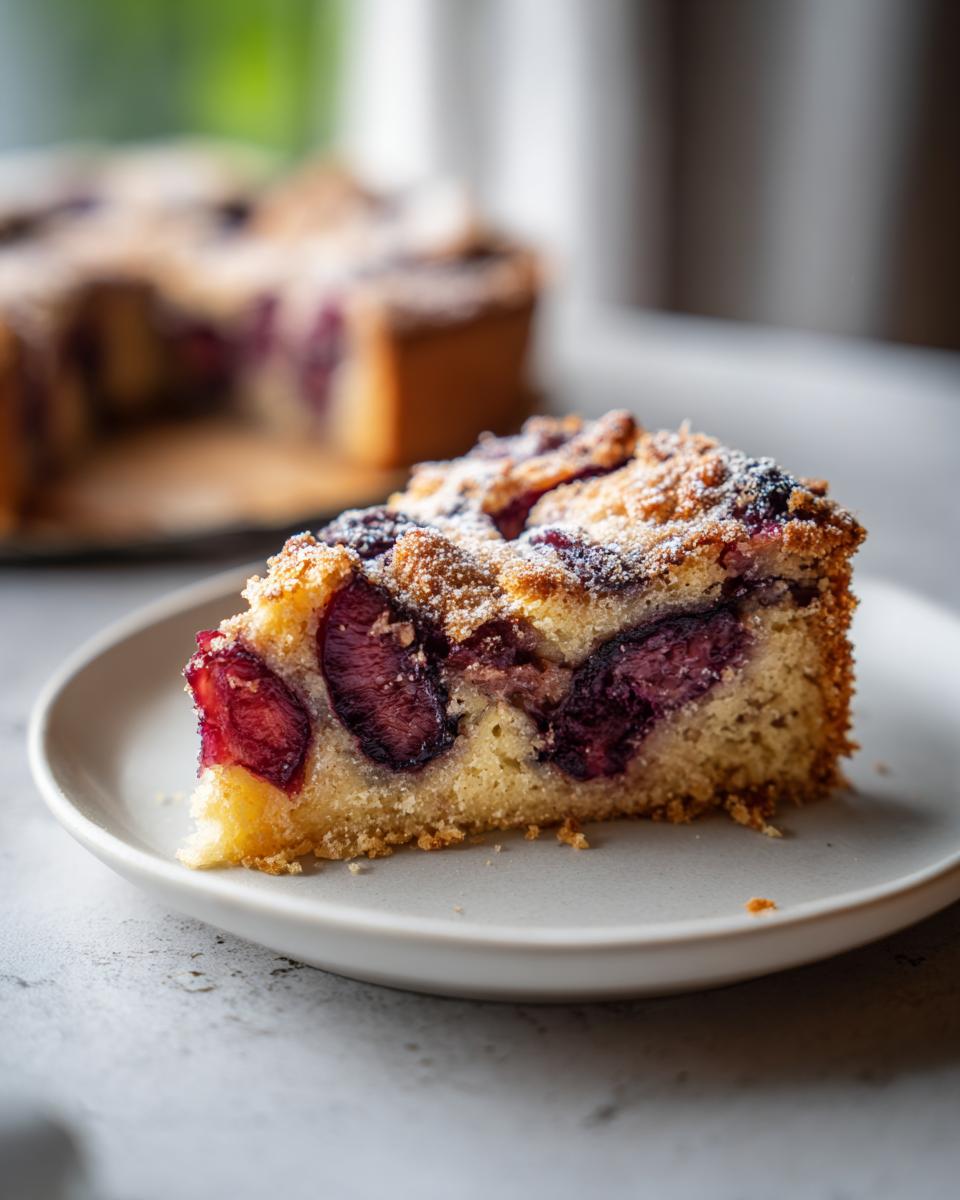
Let’s talk plums for a minute, because this is where many folks trip up when trying to make an authentic german plum cake. Daisy was very clear: you need Italian prune plums, or Zwetschgen, if you can find them. They’re firmer and less watery than a standard plum, which means they keep their beautiful shape and don’t turn your yeast dough into a soggy mess. If you absolutely cannot find them, grab the firmest supermarket plums you can, and maybe try draining them on a paper towel for an hour first.
Now for my little enrichment trick, which Daisy only started doing after reading a magazine in the 80s: If you want a richer cake—closer to a Southern German style—try mixing up that optional topping noted in the recipe! Beat 1/2 cup of sour cream or quark with just one tablespoon of sugar until smooth, and spread that layer right over the dough before you place the plums on top. It melts in beautifully during the bake!
Tips for Success When Making German Plum Cake
Even with the best Traditional German Plum Cake Recipe, little details can make the difference between good and absolutely incredible. Remember, I’ve made this dozens of times trying to perfectly mimic Daisy’s kitchen magic. These little tricks have saved me from sinking dough and mushy fruit over the years!
Here are my top secrets for nailing that authentic yeast cake texture and ensuring everything bakes perfectly evenly. You want to aim for that flaky, golden crust without sacrificing the soft dough underneath. It’s all about heat control!
First, let’s talk scorching. Because the plums release moisture while baking, sometimes that bottom layer of dough can steam instead of bake, leading to sogginess. My trick? I pre-heat my baking pan—that 10-inch springform or 9×13—with the oven for about five minutes before I put the dough in. It gives the bottom a quick blast of dry heat right when the dough hits it, which helps set the base before the plum juice can soak in too deep. Watch it carefully so you don’t get ahead of yourself!
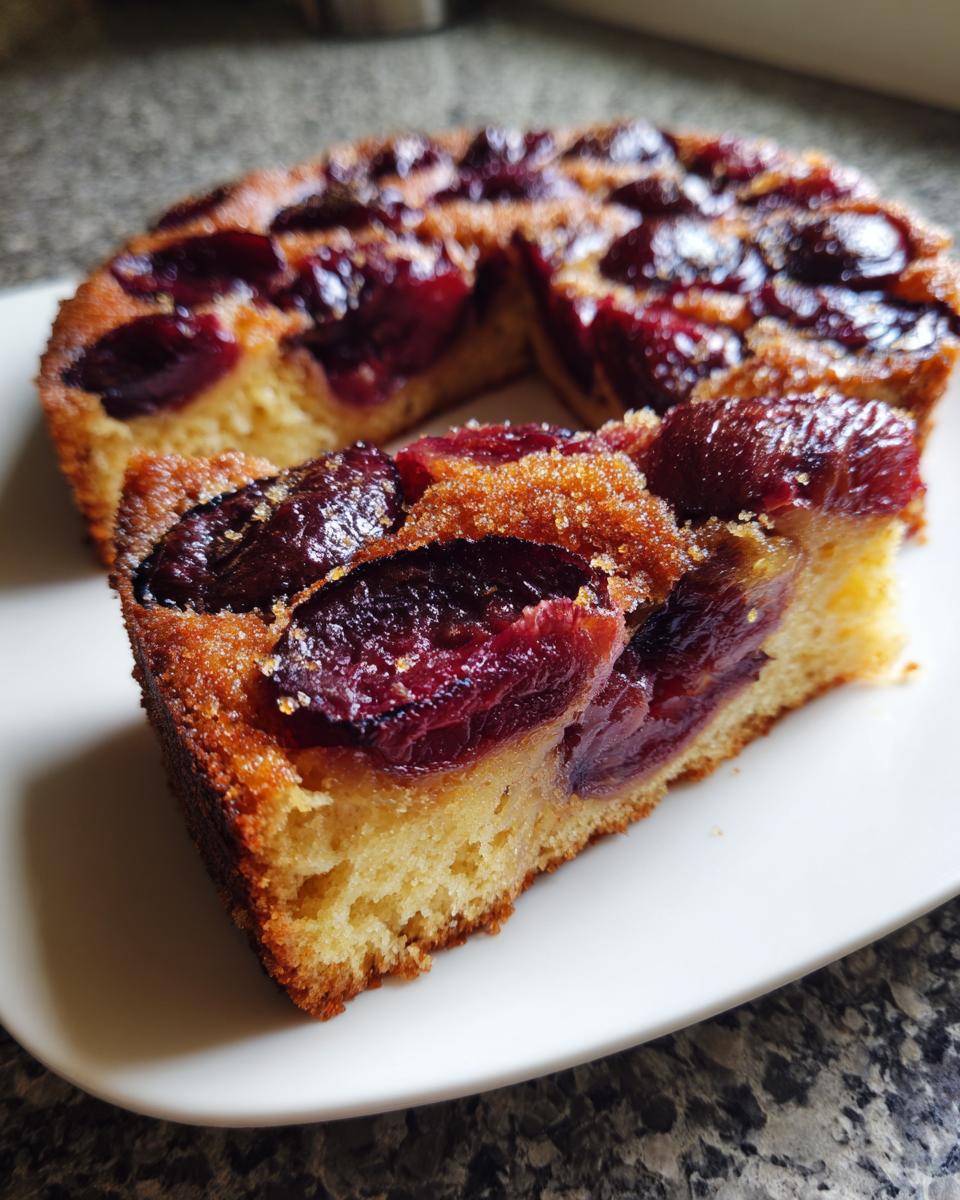
Next up is the cinnamon sugar topping. You’ll notice the recipe calls for sprinkling it over the plums. To ensure you get that nice, slightly crunchy, crystallized layer on top, make sure your plums are patted down *before* you sprinkle. If the plums are too moist or shiny, the sugar will just dissolve into the juice. Also, don’t skimp on brushing those edges with cream! Those exposed edges are where you get delicate crispness, and the cream encourages that beautiful browning.
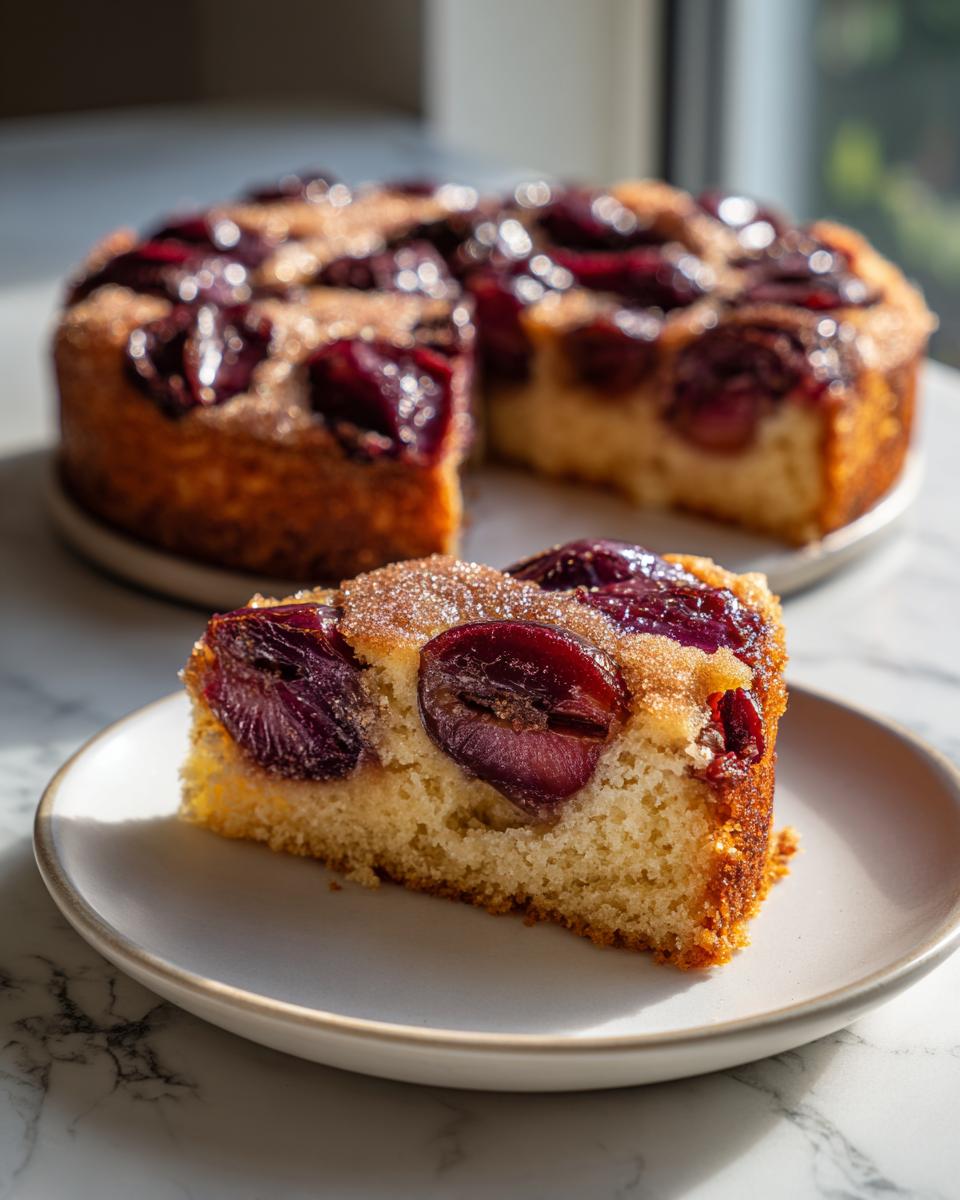
Finally, once the cake is done, resist the urge to slice it immediately. Seriously, hand to my heart, if you cut into this warm yeast-based cake, the steam escaping will deflate the crust a little, and you’ll lose some of that airy structure we worked so hard for when kneading. Let it cool down for 15 to 20 minutes on a wire rack first. It still tastes warm and wonderful, but the structure sets up perfectly during that short cool-down period. If you’re looking for another easy, moist bake for those fall afternoons, you have to try my sourdough banana bread. It uses a similar patient rising process that pays off huge!
Variations on the Classic german plum cake
While I am fiercely loyal to Daisy’s yeast dough recipe for an Authentic Pflaumenkuchen Recipe, I know life sometimes calls for shortcuts or flavor tweaks. That’s the beauty of these old European recipes; they adapt beautifully, which is why you see so many regional differences across Germany!
If you’re hosting a crowd and want something faster, you might look up a shortcrust version—sometimes called a Mürbeteigboden—instead of the yeast dough. That results in what feels more like a tart. It’s fast, but honestly, the chewiness of the yeast is what makes this the quintessential German Harvest Cake Recipe for me. Don’t change the fruit, though; that’s sacrilege!
Spice variations are much easier to make right into the dough or topping. If you want a bit more warmth, try adding a tiny pinch of ground cloves along with your cinnamon in the sugar topping. It gives it that deeper, almost autumnal spice bite. Or, if you’re feeling inspired by my friend’s Italian side of the family, try adding some finely chopped zest from one lemon into the dough mixture when you add the flour. It brightens everything up beautifully against the sweet plums.
If you love the idea of fruit cakes but want something a little different next time, you should definitely browse my recipe for the perfect cherry cake. It has that same wonderful fruit-to-base ratio!
Serving Suggestions for this Rich German Fruit Tart
You’ve done the hard work, you’ve nurtured the yeast, and you’ve arranged those beautiful plums just so. Now comes the best part: deciding how to serve this glorious Seasonal Plum Dessert Recipe! Honestly, this Pflaumenkuchen is fantastic all on its own when it’s just slightly warm from the oven. That soft yeast dough combined with the baked fruit is truly perfection.
But if you’re serving it for a gathering or just want to treat the family? I highly recommend keeping one of three things on hand. Daisy always had a big bowl of homemade whipped cream ready for anything sweet, and this cake is no exception!
Here are my favorite ways to dress up this Rich German Fruit Tart:
- Simple Dusting: Sometimes, the best thing is the simplest. Once the cake has cooled for about 20 minutes, give it a nice, generous dusting of good quality powdered sugar. It looks elegant and adds just a hint of extra sweetness without fighting the plums.
- The Cream Dream: A big dollop of freshly whipped heavy cream is non-negotiable for me. It cuts through the tartness of the plums perfectly. If you want to go completely over the top (and sometimes we deserve it!), I have the recipe for the most amazing ultimate fluffy vanilla buttercream that works surprisingly well swirled onto a slice!
- A Scoop of Cold: Nothing beats the temperature contrast of a scoop of really rich vanilla bean ice cream melting slowly alongside a slice of warm german plum cake. If your plums are tart, the cool creaminess is just heaven.
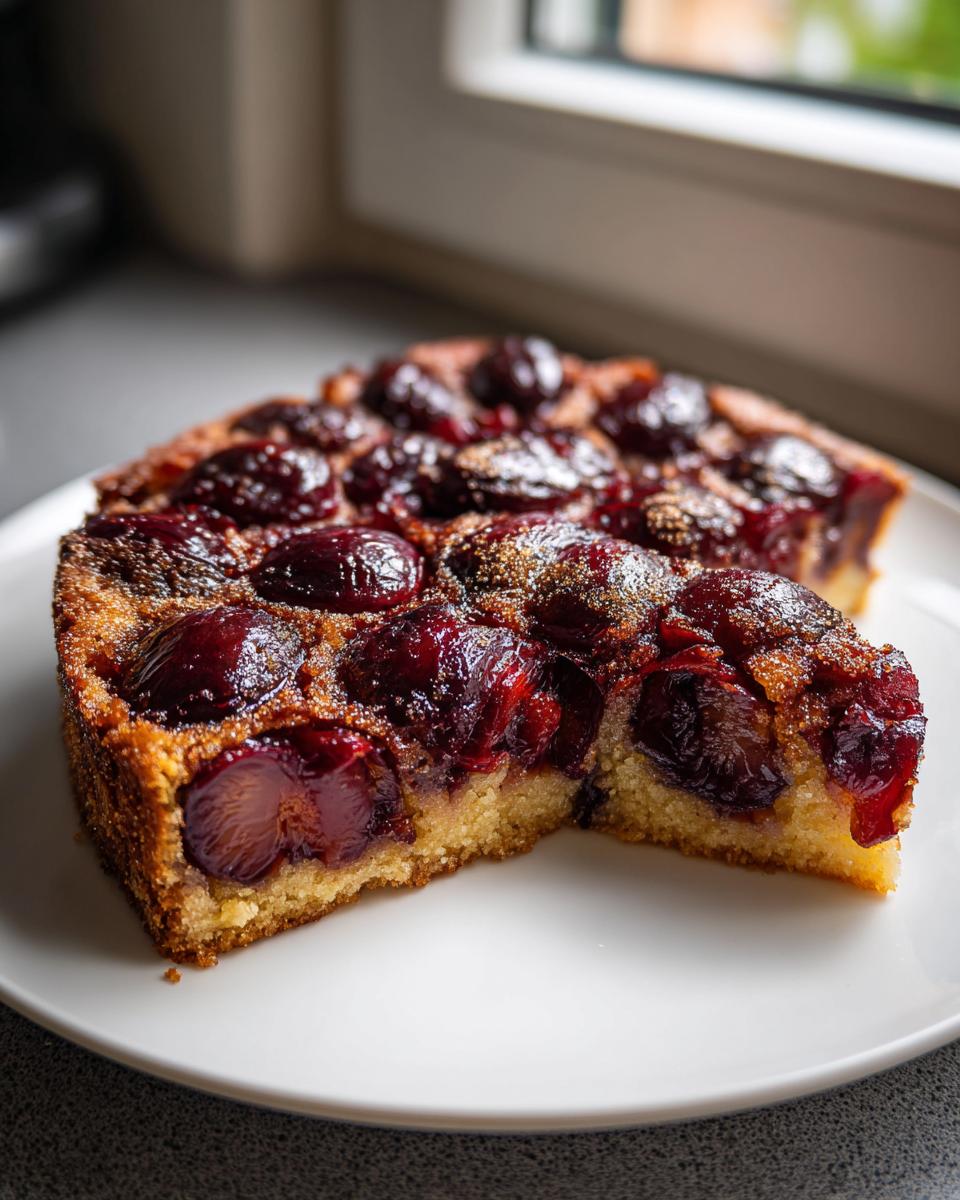
Whatever you choose—or even if you choose nothing at all—slicing into this cake brings the whole family together. That’s the true magic Daisy intended!
Frequently Asked Questions About german plum cake
I always get flooded with questions right around plum season because everyone wants to nail that perfect german plum cake! It’s totally understandable; you want that authentic taste, especially since you put in the work for that lovely yeast dough, which is much harder than a simple shortcrust german plum cake. Let’s tackle the most common things folks ask me about making this beautiful German Fruit Cake Recipe at home.
Can I use a different type of plum for this german plum cake?
You absolutely can, but be prepared for a slightly different texture! The heart of a truly great Pflaumenkuchen Recipe is the Zwetschgen, or Italian prune plum. They are denser and hold their shape without turning into mush, which helps keep your yeast dough from getting soaked. If you use big, juicy regular plums, they release way more water, and you might end up with a slightly wet spot in the middle of your Classic German Fruit Cake. My advice? If you must substitute, choose the firmest, smallest plums you can find and maybe try patting them dry a bit before arranging them.
What is the difference between Pflaumenkuchen and Zwetschgenkuchen?
Oh, this is a fun regional tidbit! In all honesty, for most home bakers, they are used interchangeably, especially outside of Germany. They both mean plum cake! However, if you are speaking very strictly, Pflaumenkuchen just means ‘plum cake’ generally. Zwetschgenkuchen specifically means the cake is made with the elongated Italian prune plums (the Zwetschgen variety). So, if you are aiming for the most traditional version, you’re aiming for the Zwetschgenkuchen experience!
Can I make the german plum cake ahead of time?
Yes, you certainly can! Since this is a yeast dough cake, it actually tastes amazing the next day when the cinnamon and plum flavors have really settled into the bread. For the best texture for your Making German Cake at Home, I recommend storing leftovers loosely covered at room temperature for up to two days. If it’s too humid or warm, pop it in the fridge, but be sure to let it come back toward room temperature before serving, or even give it 10 seconds in the microwave to revive that soft doughiness! For storage specifics, run over and check out my detailed guide on storing yeast bread bakes.
Nutritional Estimates for german plum cake
I always get curious questions about the nutrition facts when people see this beautiful, rustic cake. Since this is a traditional bake, heavy on the fruit and made with real butter and yeast dough, it definitely falls into the ‘enjoy it with friends and family’ category rather than the ‘everyday healthy eat’ section! But hey, at least we know we’re getting some vitamins from those fantastic plums, right?
The data below is what I’ve estimated based on the recipe ingredients for one slice. These come from standard calculations, so take them as a general benchmark. The quantities can vary wildly based on the size of your plums or exactly how much butter soaked into the dough! If you’re looking for lighter options for your grab-and-go mornings, you might want to check out my list of healthy breakfast ideas.
Remember, this german plum cake is meant to celebrate the harvest, so eat a slice and enjoy the moment!
- Serving Size: 1 slice
- Calories: 320
- Sugar: 28g
- Sodium: 180mg
- Fat: 12g
- Saturated Fat: 7g
- Carbohydrates: 48g
- Fiber: 3g
- Protein: 7g
- Cholesterol: 55mg
Traditional German Plum Cake (Pflaumenkuchen)
Make an authentic German Plum Cake, Pflaumenkuchen, using a simple yeast dough base and fresh prune plums. This recipe honors the classic harvest cake tradition.
- Prep Time: 30 min
- Cook Time: 50 min
- Total Time: 140 min
- Yield: 8 servings 1x
- Category: Dessert
- Method: Baking
- Cuisine: German
- Diet: Vegetarian
Ingredients
- 1 cup warm milk
- 2 1/4 teaspoons active dry yeast
- 1/4 cup granulated sugar, plus 1 teaspoon for yeast
- 2 1/2 cups all-purpose flour, plus more for dusting
- 1/2 teaspoon salt
- 1 large egg
- 4 tablespoons unsalted butter, melted
- 2 pounds fresh Italian prune plums (Zwetschgen), halved and pitted
- 1/4 cup granulated sugar, for topping
- 1 teaspoon ground cinnamon
- 1/2 cup heavy cream, for brushing
- 2 tablespoons slivered almonds (optional)
Instructions
- Activate the yeast: In a small bowl, combine the warm milk, 1 teaspoon of sugar, and the yeast. Let stand for 5 to 10 minutes until foamy.
- Prepare the dough: In a large bowl, whisk together the flour and salt. Make a well in the center and add the yeast mixture, 1/4 cup sugar, egg, and melted butter. Mix until a shaggy dough forms.
- Knead the dough: Turn the dough onto a lightly floured surface and knead for about 5 to 7 minutes until smooth and elastic. Place the dough in a lightly oiled bowl, turning to coat. Cover and let rise in a warm place for 1 to 1.5 hours, or until doubled in size.
- Preheat and prepare: Preheat your oven to 375 degrees Fahrenheit (190 degrees Celsius). Lightly grease a 10-inch round springform pan or a 9×13 inch baking sheet.
- Shape the dough: Punch down the risen dough gently. Roll or press the dough out onto your prepared pan, forming a thin layer that covers the bottom.
- Arrange the plums: Arrange the halved and pitted plums tightly over the dough, cut side up, in concentric circles or rows.
- Prepare the topping: In a small bowl, mix the remaining 1/4 cup sugar and cinnamon. Sprinkle this mixture evenly over the plums. If using, scatter the slivered almonds over the top.
- Brush the edges: Brush the exposed dough edges lightly with the heavy cream.
- Bake the cake: Bake for 40 to 50 minutes, or until the crust is golden brown and the plums are soft.
- Cool and serve: Let the German Plum Cake cool slightly before slicing. Serve warm or at room temperature.
Notes
- Use Italian prune plums (Zwetschgen) for the most traditional flavor and texture, as they hold their shape well during baking.
- If you prefer a richer topping, you can mix 1/2 cup of sour cream or quark with 1 tablespoon of sugar and spread it over the dough before adding the plums.
- This cake is excellent served plain, dusted with powdered sugar, or with a dollop of whipped cream.
Nutrition
- Serving Size: 1 slice
- Calories: 320
- Sugar: 28
- Sodium: 180
- Fat: 12
- Saturated Fat: 7
- Unsaturated Fat: 5
- Trans Fat: 0
- Carbohydrates: 48
- Fiber: 3
- Protein: 7
- Cholesterol: 55