

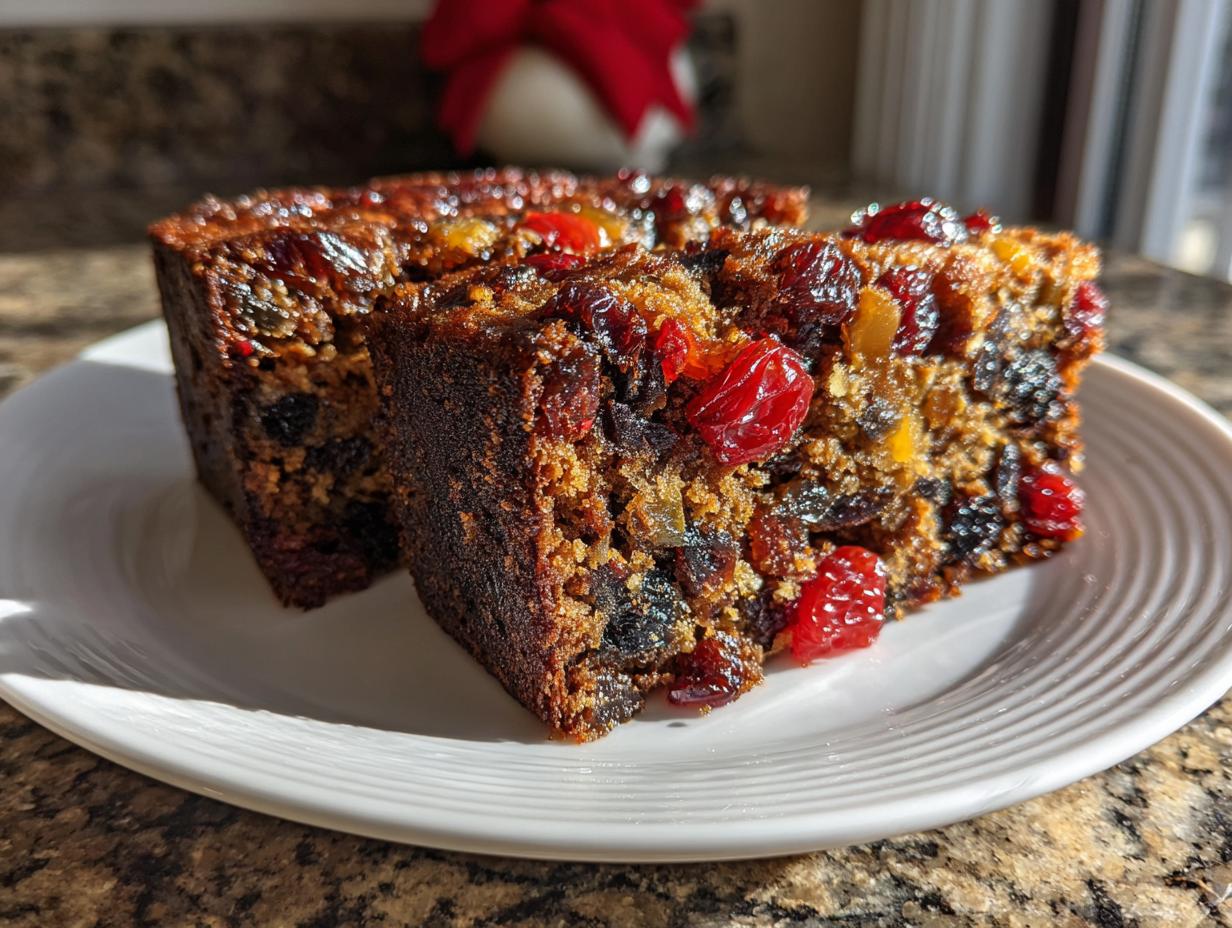
Oh, the holidays! Does anything bring back the memories faster than the smell of cinnamon, cloves, and sweet dried fruits baking away in the oven? For me, that scent means my Grandma Daisy is right beside me. She never fussed over baking; she just made honest, delicious things. And if you are tired of hearing about dry, crumbly holiday tins, you have come to the right place. This is the definitive, never-fail fruit cake recipe you need this year. It’s incredibly straightforward—we are cutting out all the complicated steps—but it bakes up rich, dark, and unbelievably moist. This is how Daisy did it, and now it’s how I do it, bringing that simple warmth right into your kitchen.
- Why This Is the Ultimate Easy, Moist Fruit Cake Recipe (Never Fail Secrets)
- Ingredients for Your Traditional Fruit Cake Recipe
- How to Make This Easy Fruit Cake Recipe Step-by-Step
- Tips for a Perfect Traditional Fruit Cake Recipe Every Time
- Storage and Making Ahead for Your Holiday Fruit Cake Recipe
- Fruit Cake Recipe Variations and Substitutions
- Serving Suggestions for Your Homemade Fruitcake
- Frequently Asked Questions About This Fruit Cake Recipe
- Estimated Nutritional Data for This Festive Fruit Dessert
Why This Is the Ultimate Easy, Moist Fruit Cake Recipe (Never Fail Secrets)
If you’ve sworn off fruitcake your whole life, please give this version one shot. I promise you, this is the reason so many people love a classic fruit cake. The biggest secret to getting that perfect, tender crumb that truly makes a moist fruit cake comes down to two main things we learned from Grandma Daisy. First, that soaking step? It’s non-negotiable. We soak everything overnight in plenty of liquid—brandy if we’re feeling fancy, or just good orange juice—so the fruit absorbs moisture *before* it ever enters the oven. That keeps the cake from sucking all the wetness out of the batter while baking.
Second is the creaming. You can’t rush beating that butter and brown sugar! We want air in there, which is why I always tell folks: use softened butter, not melty butter. This air creates a beautiful structure that prevents this from becoming a dense brick. I’m sharing here how I make my sour dough banana bread, which uses a similar principle, because moisture is everything.
My final top tip for this never fail fruit cake? Once the flour goes in, you barely mix! Overmixing develops gluten, and gluten makes things tough. We want tender here. Mix just until you don’t see flour streaks anymore. That’s it! It keeps everything light and keeps this the best holiday bake on the table.
Ingredients for Your Traditional Fruit Cake Recipe
Remember what Grandma Daisy always said? Good food starts with knowing exactly what you are working with. She never substituted anything in her classic fruit cake recipe unless she absolutely had to, and when she did, she always wrote down the exact swap! Because we want your cake to be rich and moist, precision matters here, especially with the temperature of your ingredients.
Here’s exactly what you’ll need:
- 1 cup (2 sticks) unsalted butter, softened just right
- 1 cup packed light brown sugar (make sure it’s packed tight!)
- 4 large eggs, brought up to room temperature
- 1 teaspoon vanilla extract
- 2 cups all-purpose flour
- 1 teaspoon ground cinnamon
- 1/2 teaspoon ground nutmeg
- 1/4 teaspoon ground cloves
- 1/2 teaspoon baking powder
- 1/4 teaspoon salt
- 1 pound mixed dried fruit (I use a mix of raisins, currants, candied cherries, and a little citron)
- 1/2 cup chopped pecans or walnuts
- 1/4 cup brandy, dark rum, or orange juice (this is for soaking the fruit, so pick your favorite!)
- 1/4 cup milk or orange juice (this goes into the batter itself)
See? Nothing fancy, just quality basics combined right. Having that traditional fruit cake fruit mix ready makes the whole holiday baking process so much smoother!
How to Make This Easy Fruit Cake Recipe Step-by-Step
If you want to know exactly how to make fruit cake that lives up to all the nostalgia and none of the dry disappointment, this is where the magic happens. The process is long because we are being patient with the dried fruit, but the active cooking time is straightforward! Just remember to start this a day ahead—the reward is worth the wait, trust me.
Preparing the Fruit for Maximum Moisture
This is Step One, and it’s crucial for our moist fruit cake promise! Get your mixed dried fruit into a bowl and pour your chosen liquid right over the top—whether it’s that dark rum, the brandy, or just bright orange juice. Stir it gently, cover the bowl, and stick it in the fridge. Don’t skimp on this! If you can manage it, letting the fruit soak overnight is the absolute key to success. It plumps the fruit right up, which means it won’t be stealing moisture from your batter while it bakes. If I’m short on time, I might soak it for just four hours, but overnight is what Daisy always insisted upon.
Mixing the Batter and Folding in Fruit and Nuts
Once your fruit is enjoying its little bath, get your oven going to a low 300°F (150°C) and prep that pan with plenty of grease and parchment. Now, go back to your creamed butter and sugar mix from the ingredient list, then beat in those room-temperature eggs one by one. You’re looking for that pale, fluffy ribbon stage.
When you add your dry ingredients (flour, spices, salt, baking powder), mix on the absolute lowest speed until they *just* disappear. And I mean just! Then, drain that gorgeous soaked fruit—keep any leftover liquid though, we might use it later—and gently fold the fruit and nuts into the batter by hand using a big spatula. Don’t stir vigorously! This keeps that cake tender. You can see my notes on mixing doughs for mincemeat pies, which has a similar gentleness requirement, where tender pastry is key.
Baking Time and Cooling for a Perfect Finish
Spoon that beautiful, heavy batter into your prepared pan, smooth the top, and get it into that slow oven. It needs a good long bake, probably 1 hour and 15 minutes up to an hour and a half for a standard round cake. When you start smelling that rich, spicy aroma filling the house, you’ll know it’s working. That smell always takes me right back to Daisy’s kitchen in December! Test it with a wooden skewer—it should come out clean. When it’s done, let it cool for about 15 minutes in the pan before you turn it out. If you’re using alcohol, now is the time! While it’s still warm, you can brush a little extra brandy or rum over the top. It soaks right in and guarantees that extra layer of moisture. You can check out how another baker keeps theirs moist, but this brushing technique really seals the deal for me.
Tips for a Perfect Traditional Fruit Cake Recipe Every Time
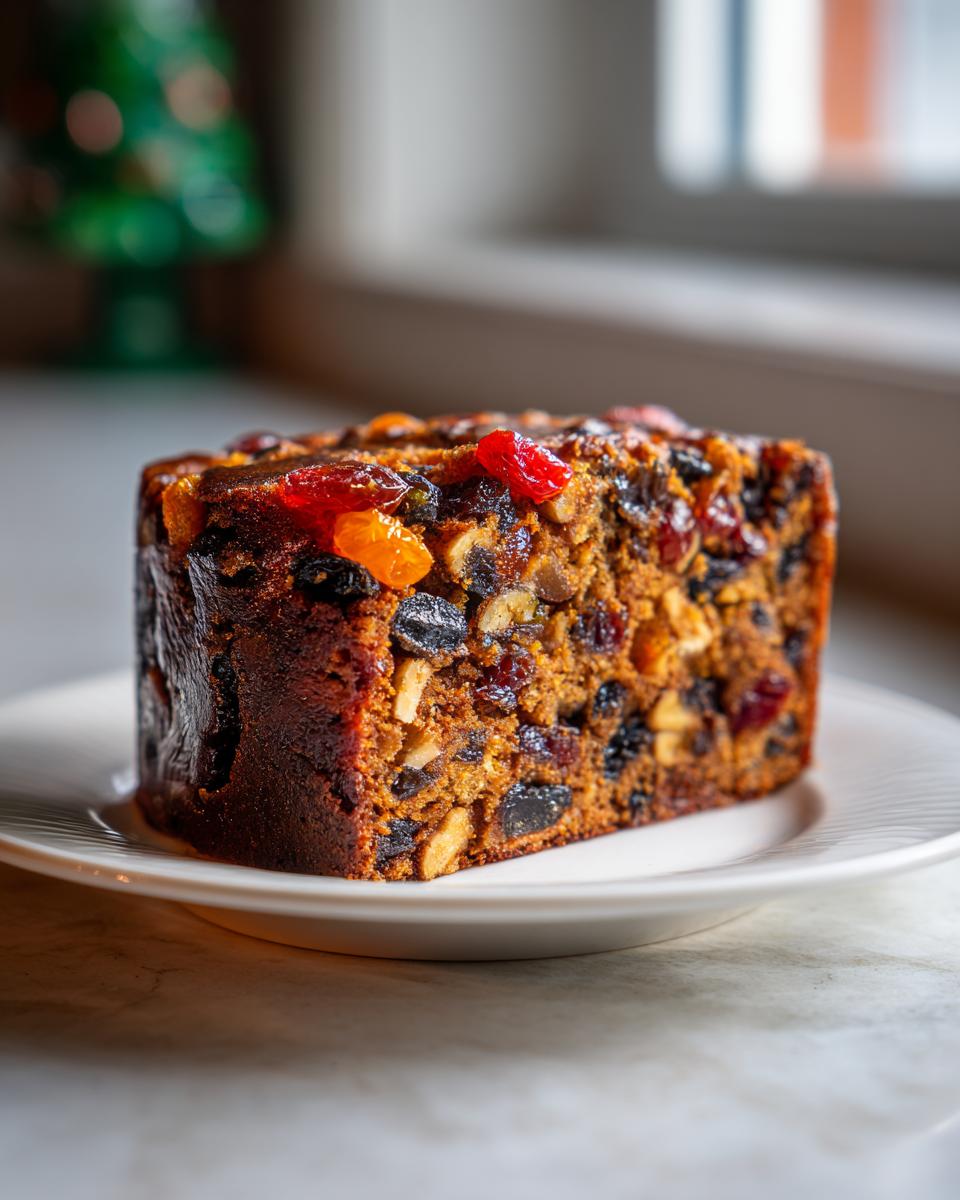
Even with an easy fruit cake recipe, a few little tricks Grandma Daisy drilled into me can take a good bake and make it truly legendary. When you are buying your fruit, look for plump pieces—shriveled-looking dried fruit just won’t hydrate properly, even after soaking. If you can find high-quality candied cherries, they make such a difference in the look of your classic fruit cake.
When testing for doneness, the skewer test is good, but always look for that slight pull away from the sides of the pan first. That tells you the structure is set. Over-baking is the enemy of moisture, so start checking right at the 75-minute mark. And remember, if you’re using nuts like pecans, giving them a quick light toast before you chop them really amps up their flavor profile in the finished cake. It’s a small step, like the ones I use when making my melt-in-your-mouth butter cookies.
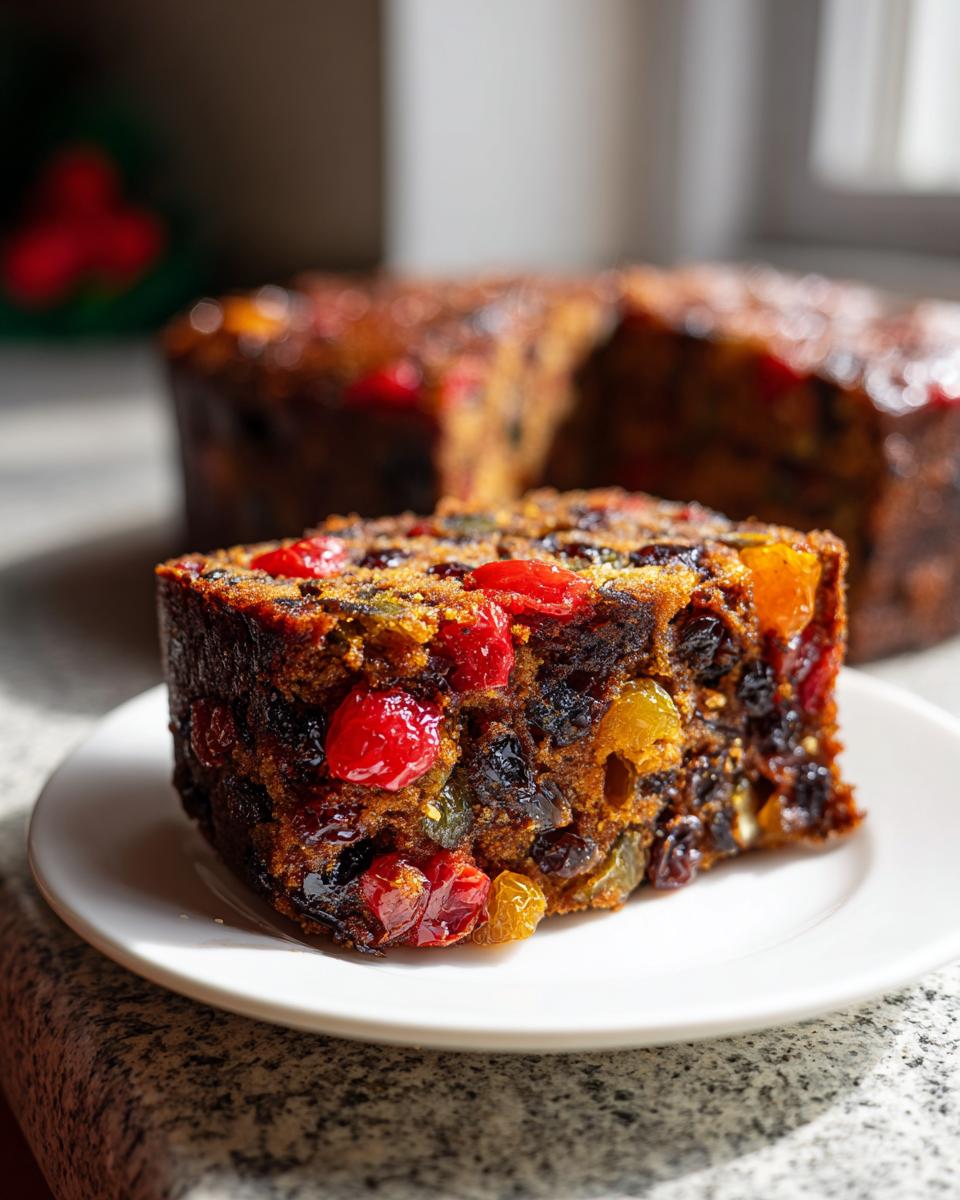
If you want your cake to be extra glossy on top, you can run a thin knife around the edges just as it starts to cool, but be super gentle! For reassurance on texture, check out what Food Emily suggests for keeping things soft; it’s very similar to what we’re doing here.
Storage and Making Ahead for Your Holiday Fruit Cake Recipe
This is the best part about making a truly traditional fruit cake recipe: unlike almost every other cake out there, this one gets better with age! Seriously! This isn’t something you bake and eat the next day. This fruit cake is designed to rest so those wonderful spices and that rich liqueur can really deepen the flavor. That means it’s the ultimate make-ahead dessert for your easy holiday baking schedule.
Once your cake is completely cool—and I mean stone cold—we wrap it up like a precious gift. You’ll need cheesecloth first, which you have to lightly soak in a splash of brandy or rum. This damp cloth goes straight onto the cake. Wrap it tightly, then wrap it again in a layer of foil. This seals in all that moisture we worked so hard to create during the soak and bake.
Keep the wrapped cake in a cool, dark place—a pantry or cellar works best. If you baked it two weeks before Christmas, it will taste even richer by the time you serve it! The moisture from that alcohol-soaked cloth keeps everything perfectly soft. If you want some inspiration for other holiday recipes that freeze well, I always keep track of my favorite Christmas sprinkle cookies here. For a simple, foolproof option, remember to check out how Mama W does her never-fail version; it’s all about trusting the resting process!
Fruit Cake Recipe Variations and Substitutions
Grandma Daisy was the queen of making do, and that spirit lives on in this recipe! While this fruit cake recipe is designed to be incredibly traditional, don’t feel tied down if you’re missing one ingredient or want to switch things up a bit for variety. The whole point of holiday baking is making it your own, right?
First up: the booze question. If you absolutely need to skip the brandy or rum for your soak, don’t fret! Just use extra orange juice, maybe add a splash of strong black tea for color, or even double up on that vanilla extract. You won’t get the deep, heady notes of liqueur, but you will still get a wonderfully moist cake. I always suggest making sure your nuts are fresh, but if walnuts aren’t your favorite, pecans or even slivered almonds work just fine.
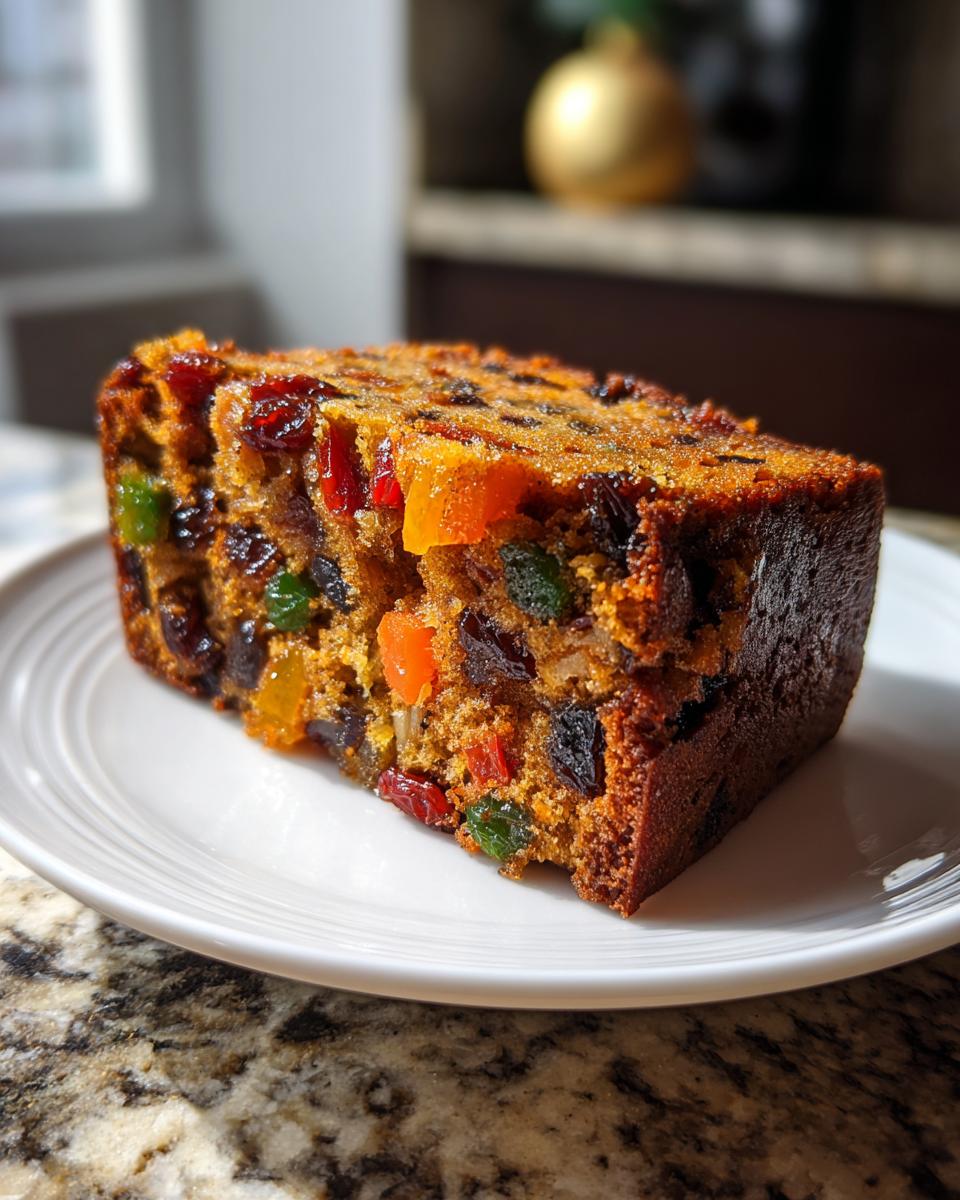
If you want a slightly different spice profile, try swapping out the cloves for a pinch of allspice—it gives almost the same warming effect. Another fun thing I sometimes add is some chopped candied pineapple along with the cherries; the texture is fantastic and it brightens up the color. It reminds me a little bit of the nice glaze I use when I make my poached pears recipe—just a little burst of sweet brightness!
Serving Suggestions for Your Homemade Fruitcake
Now that you have this incredible, moist homemade fruitcake cooling, how should you serve it up? Honestly, it’s delicious all on its own, especially after it’s had a few days to rest and the flavors have deepened. But if you want to dress it up for a party, I have a couple of old-fashioned favorites that Daisy always brought out.
First, try a thin slice alongside a very sharp, aged cheddar cheese. It sounds wild, I know, but the saltiness of the cheese cuts through the richness of the dried fruit perfectly. A close second favourite is serving it while slightly warm with a generous dollop of brandy butter—you can find a great simple recipe over here if you want to try making your own, though simple whipped cream is always nice too.
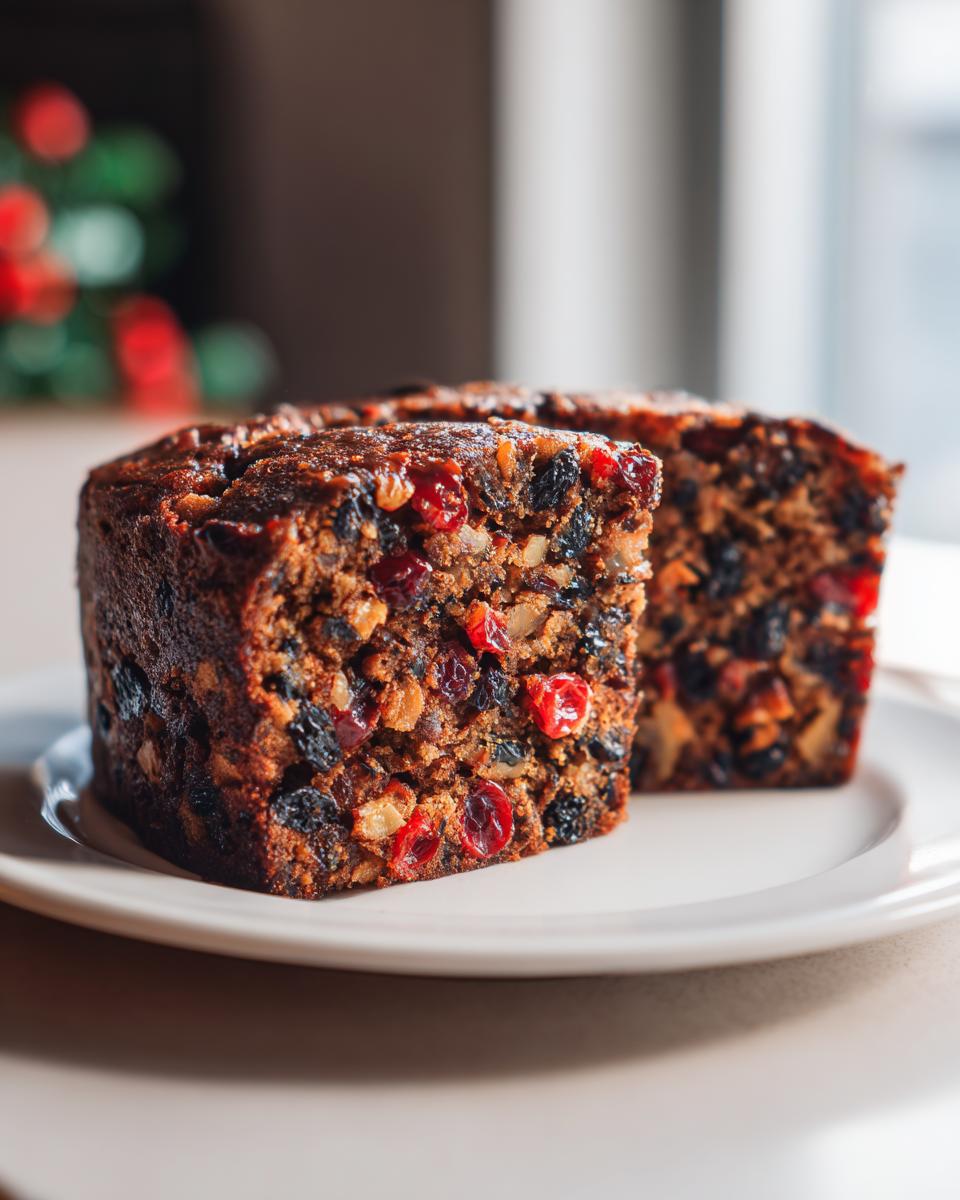
If you’re looking for other holiday inspiration, check out how Bright Foodie styles their fruit cake; it’s all about creating that festive moment at the table!
Frequently Asked Questions About This Fruit Cake Recipe
I get so many messages asking about the little details of this fruit cake recipe, especially since everyone wants that perfect result! Here are a few things I hear all the time. Don’t worry if you’re new to this; it’s easier than it looks!
Can I skip soaking the fruit for a moist fruit cake?
Oh, I’m going to say no on this one if you want bragging rights! Skipping the soak is the quickest way to end up with a dry cake because the dried fruit acts like a sponge, sucking moisture right out of your batter while it bakes. If you absolutely cannot soak it overnight, at least cover the fruit with your liquid of choice (rum, brandy, or juice) and let it sit for at least four hours. It makes a noticeable difference in the final texture.
How long does this homemade fruitcake last if I follow the storage instructions?
This homemade fruitcake actually benefits from aging! If you wrap it tightly just like I showed you—cheesecloth soaked in liquor, then foil—it can last for weeks, sometimes even months, in a cool, dark pantry. The alcohol acts as a preservative and keeps that interior wonderfully soft. It is meant to be baked ahead of time for the holidays.
Can I use fresh fruit instead of dried fruit in this fruit cake recipe?
That’s a great question about going fresh! This recipe is specifically formulated for dried fruit and candied peel because they have a lower water content and release their flavor slowly during the long bake. If you swap in fresh fruit, like fresh apples or berries, it will release too much liquid too quickly, and you’ll end up with a baked, somewhat mushy interior. Stick to dried fruit for this classic fruit cake!
Is this recipe too complicated for a beginner holiday baker?
Absolutely not! I designed this to be an easy fruit cake recipe. The longest part is waiting for the fruit to soak. The actual mixing just involves the standard creaming and gentle folding techniques. If you can make standard cupcakes, you can master this! If you need extra help visualizing the steps, you can see how they handle preparation over at this boozy cake recipe; they walk through the folding really well.
I hope these clear things up for you! Once you try these easy cannoli cookies, which are surprisingly simple too, you’ll see how easy it is to follow the core steps!
Estimated Nutritional Data for This Festive Fruit Dessert
Now, I know when we bring out something this rich and wonderful during the holidays, we aren’t really thinking about the labels! But just like Grandma Daisy meticulously tracked how many people she was feeding at harvest time, I believe in being honest about what’s in the batter. This is important for building trust when sharing something as treasured as a fruit cake recipe.
Here is the general nutritional breakdown for one slice of this festive fruit dessert, based on the ingredients as listed in the recipe:
- Serving Size: 1 slice
- Calories: 450
- Sugar: 55g
- Sodium: 150mg
- Fat: 22g
- Saturated Fat: 11g
- Unsaturated Fat: 11g
- Trans Fat: 0g
- Carbohydrates: 60g
- Fiber: 3g
- Protein: 6g
- Cholesterol: 90mg
Please keep in mind that these numbers are just estimates, dear baker! The final count is going to change depending on a few things. If you use dark rum versus orange juice for the fruit soak, that will shift things slightly. And remember, if you decide to add lots of extra brandy for feeding the cake later on, that will increase the sugar and fat content a bit too. It’s old-fashioned goodness, not a health food, so enjoy it guilt-free! If you are looking for ways to balance out your holiday treats, I keep a running list of some healthy breakfast ideas that helps me balance things out during the busy season.
PrintEasy, Moist, Traditional Fruit Cake Recipe for the Holidays
Follow this straightforward, never-fail recipe to create a rich, moist traditional fruit cake packed with dried fruit and warm spices, perfect for your holiday baking.
- Prep Time: 30 min
- Cook Time: 90 min
- Total Time: 2 hours 0 min (not including fruit soaking time)
- Yield: 10 servings 1x
- Category: Dessert
- Method: Baking
- Cuisine: American
- Diet: Vegetarian
Ingredients
- 1 cup (2 sticks) unsalted butter, softened
- 1 cup packed light brown sugar
- 4 large eggs, room temperature
- 1 teaspoon vanilla extract
- 2 cups all-purpose flour
- 1 teaspoon ground cinnamon
- 1/2 teaspoon ground nutmeg
- 1/4 teaspoon ground cloves
- 1/2 teaspoon baking powder
- 1/4 teaspoon salt
- 1 pound mixed dried fruit (raisins, currants, candied cherries, citron)
- 1/2 cup chopped pecans or walnuts
- 1/4 cup brandy, dark rum, or orange juice (for soaking fruit)
- 1/4 cup milk or orange juice (for batter)
Instructions
- Prepare the fruit: In a bowl, combine the mixed dried fruit and your choice of brandy, rum, or orange juice. Cover and let the fruit soak for at least 4 hours, or preferably overnight, to ensure a moist cake.
- Preheat your oven to 300°F (150°C). Grease and line a 9-inch round cake pan or a standard loaf pan with parchment paper.
- In a large bowl, cream together the softened butter and brown sugar until the mixture is light and fluffy. This step is key for texture.
- Beat in the eggs one at a time, mixing well after each addition. Stir in the vanilla extract.
- In a separate medium bowl, whisk together the flour, cinnamon, nutmeg, cloves, baking powder, and salt.
- Gradually add the dry ingredients to the wet ingredients, mixing on low speed until just combined. Do not overmix.
- Drain any excess liquid from the soaked fruit. Gently fold the soaked fruit and chopped nuts into the batter until evenly distributed.
- Spoon the batter into the prepared pan and smooth the top.
- Bake for 1 hour and 15 minutes to 1 hour and 30 minutes, or until a wooden skewer inserted into the center comes out clean. Baking time varies by pan size.
- Let the cake cool in the pan for 15 minutes before inverting it onto a wire rack to cool completely.
- For an extra moist fruit cake, you may brush the top of the warm cake with 1-2 tablespoons of additional brandy or rum.
Notes
- To keep this classic fruit cake moist for weeks, wrap the cooled cake tightly in cheesecloth soaked in a small amount of brandy, then wrap again in foil and store in an airtight container.
- If you skip the alcohol soak, use orange juice for the fruit, and add 1/4 cup of milk to the batter for moisture.
- This recipe makes a wonderful homemade fruitcake gift when wrapped appropriately.
Nutrition
- Serving Size: 1 slice
- Calories: 450
- Sugar: 55g
- Sodium: 150mg
- Fat: 22g
- Saturated Fat: 11g
- Unsaturated Fat: 11g
- Trans Fat: 0g
- Carbohydrates: 60g
- Fiber: 3g
- Protein: 6g
- Cholesterol: 90mg