

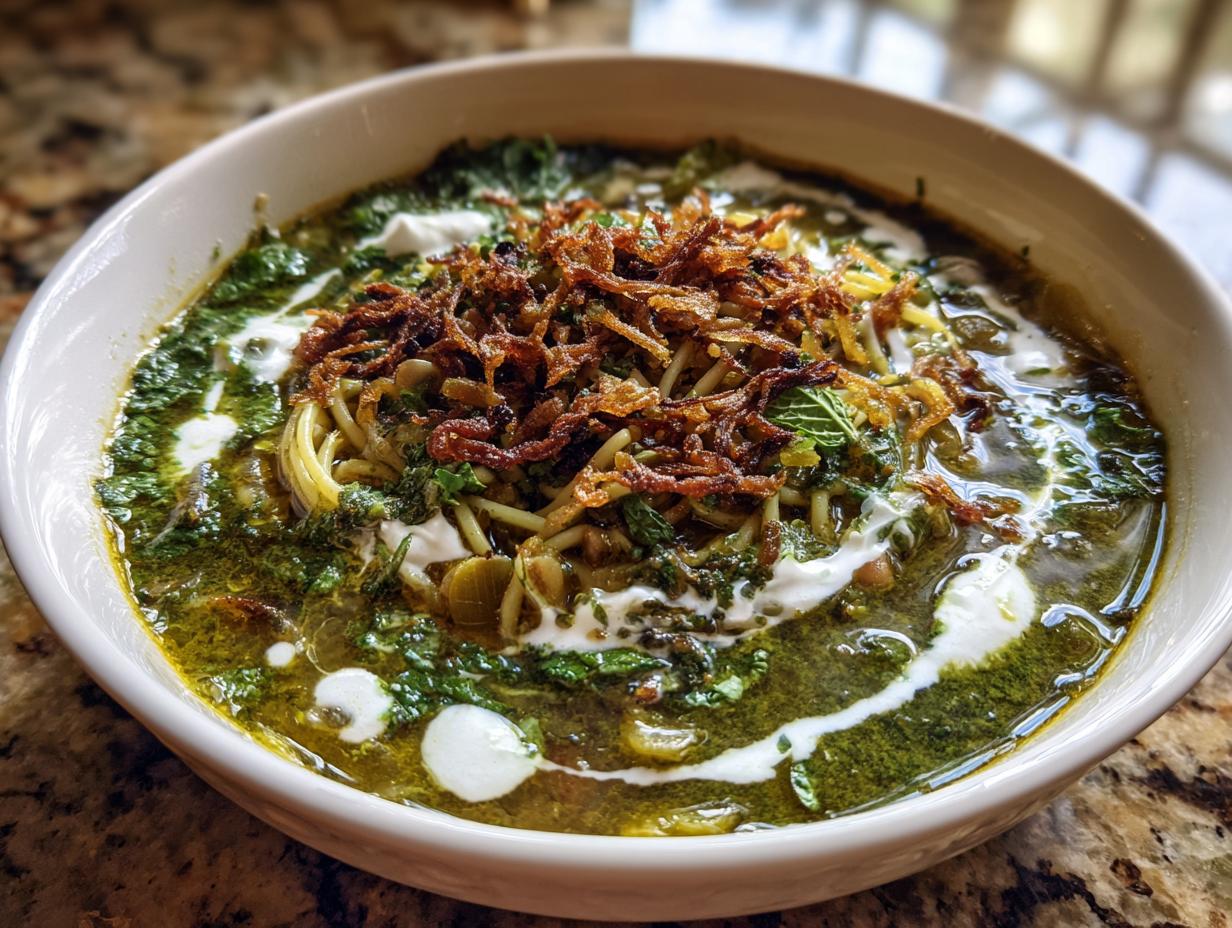
Oh, when a chilly evening rolls around, there’s nothing I crave more than a bowl that feels like a warm hug, right? Forget those flimsy little broths; we need something substantial, something that sticks to your ribs! That is why I am so excited to share my definitive take on Ash Reshteh, which is truly the heart of the persian noodle soup world. This isn’t some complicated restaurant trick; it’s built on the lessons my grandmother, Daisy, taught me in her Midwest kitchen—simple, honest food made with love. I adapted her legacy for my city life, and now I’m passing that easy-to-follow map to you. Get ready for the most comforting, herbaceous soup you’ve ever made!
- Why This Ash Reshteh Recipe Delivers Authentic Persian Noodle Soup Flavor
- Gathering Ingredients for Your Persian Noodle Soup
- How to Prepare the Ultimate Persian Noodle Soup (Ash Reshteh)
- Tips for Success When Making Persian Noodle Soup
- Serving Suggestions for This Nourishing Homemade Soup
- Storing Leftovers of Your Persian Noodle Soup
- Frequently Asked Questions About Ash Reshteh
- Nutritional Estimates for This Hearty Herb Soup
- Share Your Experience Making This Comforting Noodle Soup
Why This Ash Reshteh Recipe Delivers Authentic Persian Noodle Soup Flavor
When you look at the ingredients list—and trust me, there are a few!—you might get intimidated. But please, don’t let that stop you! This recipe is all about layering deep, *real* flavor that you just can’t get from a can.
We’re making the real deal here, friends. This soup is what you make for celebrations, or when you just need that profound sense of home. You can see how other folks love finding this kind of cozy meal, too, especially when they look for that perfect authentic taste. I promise, the payoff is huge.
Here’s why my grandmother Daisy’s technique shines through in every single spoonful:
- It’s packed with greens! You get a vibrant, deep flavor profile that turns this into a satisfying, complete meal. I love treating this as a Delicious Persian Noodle Soup for dinner.
- We honor the tradition. This is the classic Persian New Year Food, and it feels special every time I stir the pot.
- It’s surprisingly straightforward. Yes, there are many components, but it comes together mostly in one pot!
A True Hearty Herb Soup Experience
The secret weapon here, honestly, is the sheer volume of fresh herbs. We’re not talking a tiny pinch of parsley; we’re talking bunches of cilantro, dill, parsley, and spinach! Those legumes—chickpeas, beans, lentils—make this a truly nourishing homemade soup that doesn’t need any meat to feel substantial. It’s intense, yet so wonderfully balanced.
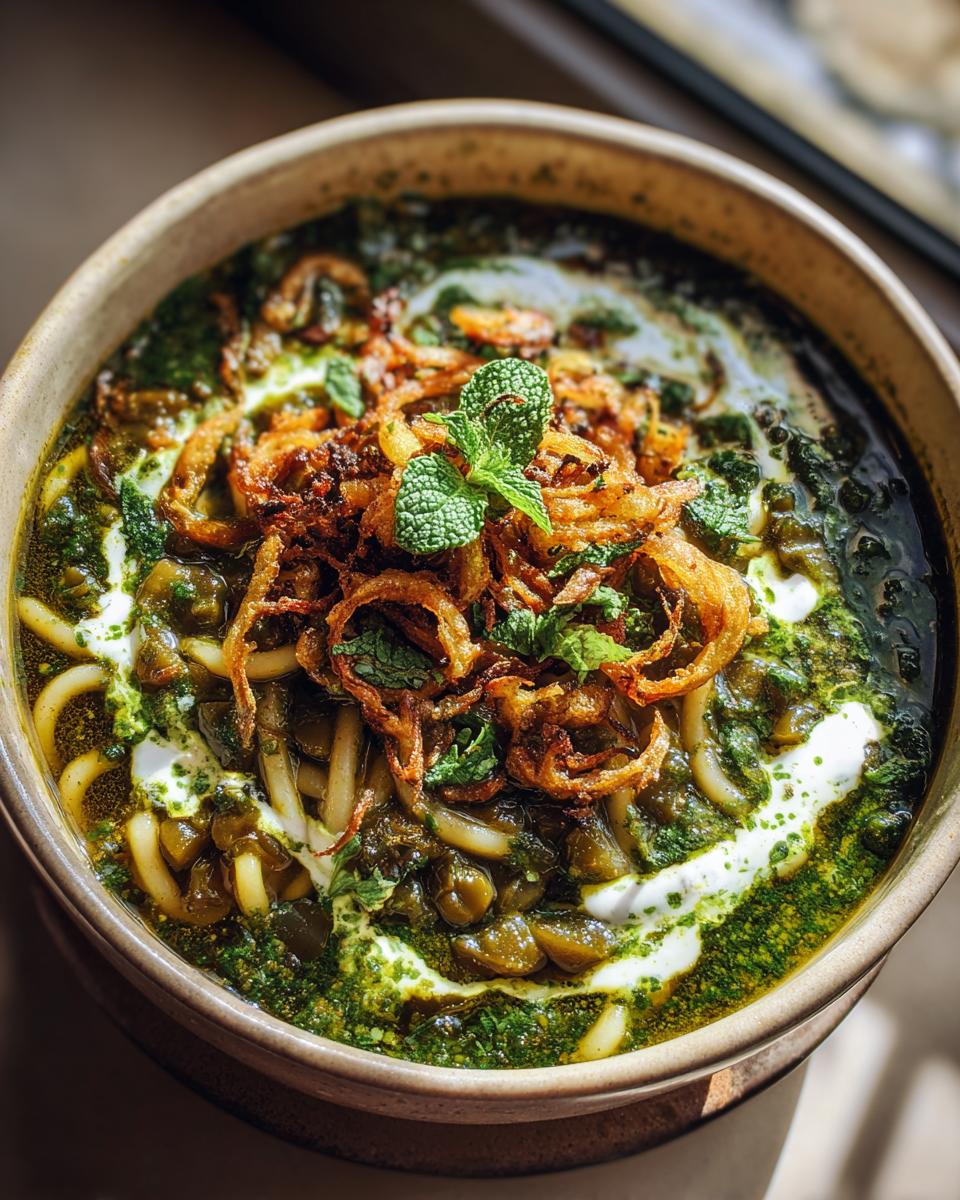
Simple Techniques for an Easy Iranian Soup
I know Iranian soup recipes can sound intimidating, but just remember: slow and steady wins the race. We’re aiming for a satisfying one pot soup recipe here. We handle the soaking and simmering first, and then everything else layers in nicely. Once you get the hang of adding the herbs in stages, you’ll see how this becomes an easy routine!
Gathering Ingredients for Your Persian Noodle Soup
Alright, now for the fun part: shopping! Before we even think about turning on the stove, there is one thing you *must* do, and Daisy drilled this into me: the legumes need a good long soak. This recipe relies on that overnight prep time to make sure our chickpeas and kidney beans turn out soft and creamy, not chalky. Don’t skip it, seriously! This is one of those non-negotiable E-E-A-T moments passed down from my grandmother.
You’ll need a good sturdy pot for this, a true one-pot wonder! Don’t worry if you can’t find the traditional noodles; we have workarounds. Remember, we’re making this comforting noodle soup achievable, not impossible. If you happen to make a big batch, maybe you can try my chicken lasagna soup another night!
Legumes and Noodles for the Base of This Traditional Persian Soup
To get that lovely, earthy base, you’ll need:
- 1 cup dried chickpeas, soaked overnight
- 1 cup dried kidney beans, soaked overnight
- 1 cup dried lentils, rinsed
And for the noodles, we need 1 cup of dried reshteh noodles. If you can’t source those, don’t sweat it—just break up some thin spaghetti or vermicelli into small, bite-sized pieces. That works beautifully.
Essential Herbs and Aromatics for the Best Persian Noodle Soup
This is where the soup gets its incredible bright flavor. Everything here needs to be chopped up nice and fine, so it melts into the broth:
- 1 large onion, chopped
- 3 cloves garlic, minced
- 1 bunch fresh parsley, chopped
- 1 bunch fresh cilantro, chopped
- 1 bunch fresh dill, chopped
- 1 bunch fresh spinach, chopped
- 1 bunch fresh green onions (scallions), chopped
Also toss in 1 teaspoon of turmeric powder and 1 teaspoon of dried mint for that classic warmth.
Toppings: The Finishing Touches for Your Comforting Noodle Soup
These aren’t optional if you want the true, authentic presentation! They add texture and tang that makes this dish marvelous:
- Fried onions, about 1/2 cup (we call this Piaz Dagh)
- Lightly fried dried mint in oil, about 1/4 cup (Nana Dagh)
- 1/2 cup kashk (Persian whey) or, if you can’t find that, just use plain Greek yogurt!
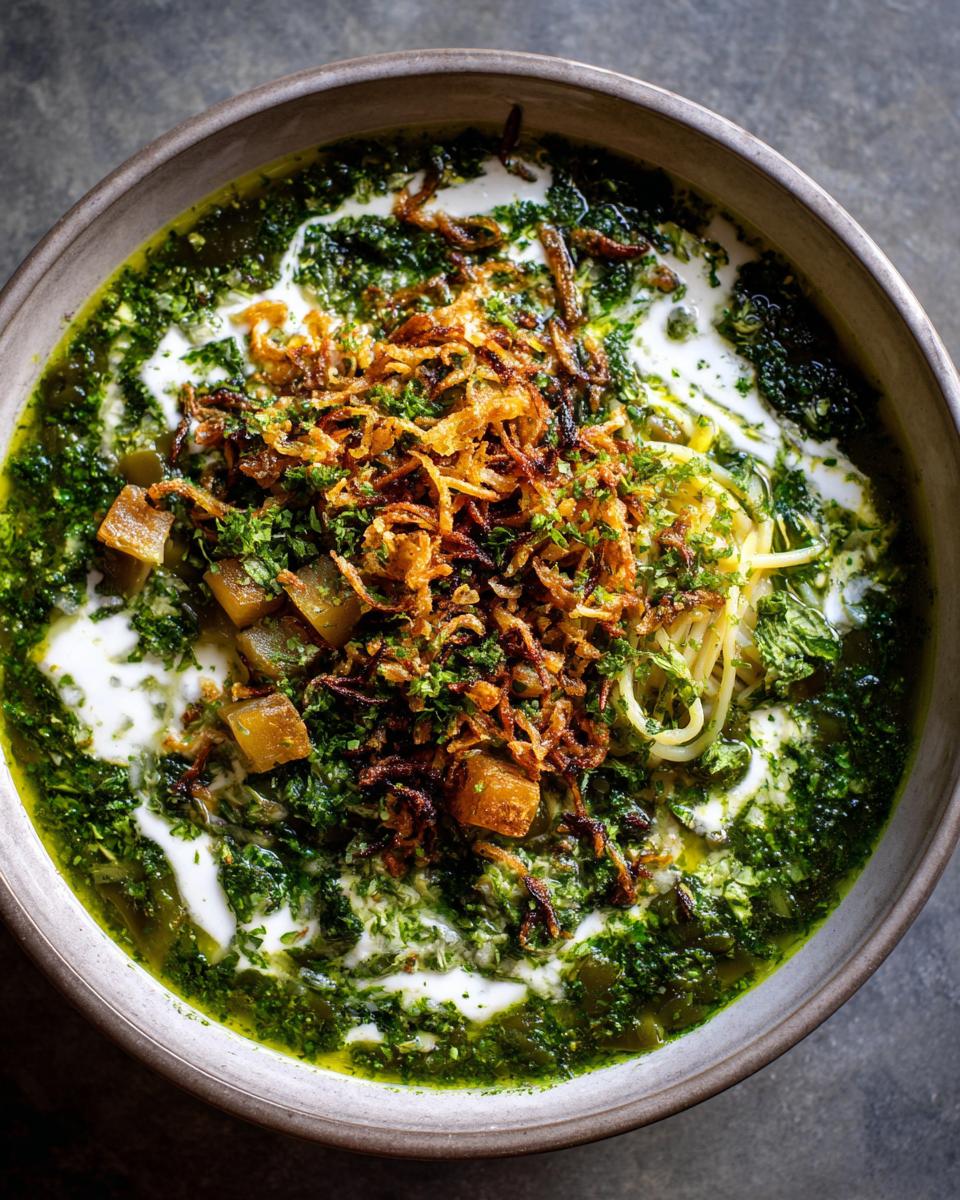
How to Prepare the Ultimate Persian Noodle Soup (Ash Reshteh)
Okay, grab your biggest pot! This is where all those beautiful components come together to create something truly magical. My grandmother used to say that preparing this soup was like conducting an orchestra—every ingredient has its cue. It takes time, yes, but since most of it is hands-off simmering, you can catch up on emails or just enjoy the incredible aroma filling your kitchen. We are making a deeply savory, traditional Persian soup start to fantastic finish. If you are looking for other hearty meals to master, maybe check out my recipe for creamy sausage tortellini soup!
Step 1: Tenderizing the Legumes for Your Legume and Noodle Soup
First things first, drain and rinse those chickpeas and kidney beans you soaked overnight. Pop them into your biggest pot and cover them with fresh water—we need a few inches above them. Now, bring that water to a rolling boil. When it bubbles up, you’ll see some foamy stuff rise to the top. Daisy always insisted you must skim that off; it keeps our broth nice and clean. After skimming, drop the heat down low and let those legumes simmer gently for about an hour to an hour and a half. We want them partially tender now, because they’ll finish cooking later.
Step 2: Building Flavor with Onions and Spices
While those main beans are getting happy in the water, let’s wake up our aromatics. Heat about two tablespoons of oil in a separate skillet over medium heat. Toss in your chopped onion and sweat them down until they are soft and looking happy, about eight minutes. Don’t rush this—that’s flavor building! Then toss in your minced garlic and the turmeric. Stir for just one minute until you can really *smell* the spice. Now, scrape that entire onion, garlic, and spice mixture right into the pot with your partially cooked beans. Don’t forget to add your rinsed lentils, along with salt and pepper, and keep that gentle simmer going for another while.
Step 3: Incorporating Herbs and Noodles into the Persian Noodle Soup
This is my favorite part! Dump in ALL those fresh herbs we chopped—the parsley, cilantro, dill, spinach, and green onions. Add the dried mint too. Stir everything until it’s totally submerged. Taste the liquid; if it looks too thick right now, add a bit of hot water until it seems like a loose sauce, not a thick stew. Now, finally, it’s time for the reshteh noodles. Drop them in and cook according to their package directions, usually about ten to fifteen minutes. You absolutely must stir frequently during this stage; those noodles love to clump at the bottom, which ruins a good Persian noodle soup experience!
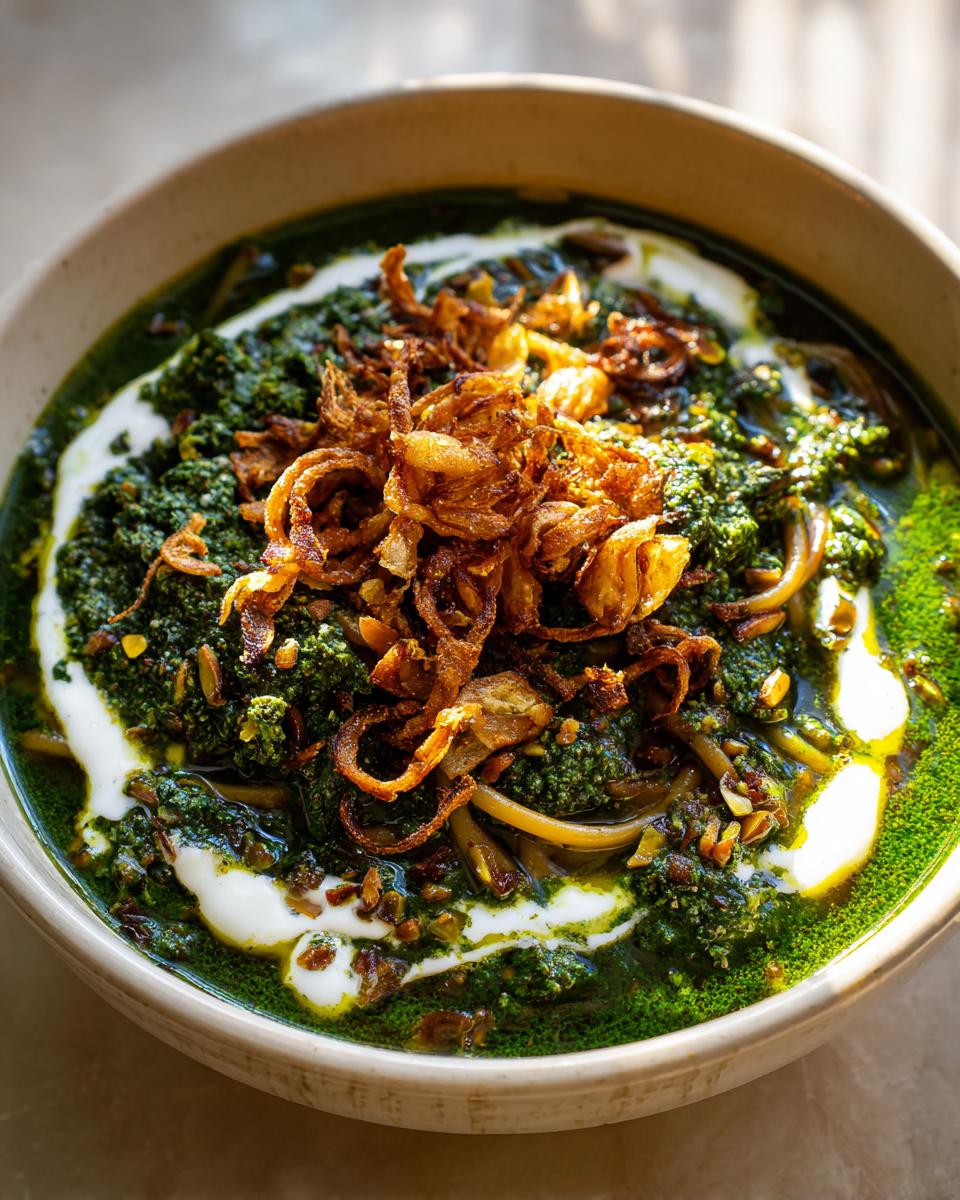
Step 4: Final Seasoning and Serving the Hearty Herb Soup
Once the noodles are tender, give everything one last taste test. Is it salty enough? Maybe needs more pepper? If it has thickened up too much while the noodles cooked (it certainly will!), just stir in a splash of hot water until you get that perfect, spoonable consistency. Now, for serving this incredible, hearty herb soup: Ladle it into deep bowls. Drizzle that dollop of kashk or yogurt right over the center, and then pile on those crispy fried onions (Piaz Dagh) and the fried mint (Nana Dagh). It looks gorgeous and tastes even better!
Tips for Success When Making Persian Noodle Soup
Even though this Ash Reshteh recipe is designed to be straightforward, I’ve picked up a few tricks over the years from watching Daisy and just figuring things out in my own kitchen. I want to make sure your one pot wonders turn out perfect, so let’s talk substitutions and prep.
Nobody has time to hunt down specialty ingredients for every single meal, and honestly, Daisy would have found a way around it anyway! We have to keep our cooking practical for modern life, even when striving for that traditional Persian noodle soup taste.
Ingredient Substitutions for Your Persian Noodle Soup
The biggest potential hurdle is those noodles, the reshteh. If you look everywhere and can’t find them, take a deep breath! You can absolutely substitute them. I usually grab some very thin spaghetti and just snap it into little one-inch pieces. Vermicelli works great too. Just make sure they’re thin so they soften up nicely in the broth.
Also, I know many people searching for this recipe are looking for a Vegetarian Persian Soup option—and you bet this recipe is built for that! To keep it fully vegetarian, just make sure when you are simmering those beans that you use plain water or vegetable broth instead of any meat-based stock. It still comes out rich and deep!
Make-Ahead Steps for This One Pot Soup Recipe
Since this soup has so many components, prepping ahead is my secret weapon for a quick weeknight dinner. The absolute best thing you can prepare ahead of time are those crispy toppings: the fried onions (Piaz Dagh) and the fried dried mint (Nana Dagh). Store them in little airtight containers on the counter, and they’re ready to go when you ladle out your hearty herb soup.
Speaking of making things ahead, this soup freezes like a dream! If you cook a giant batch, just portion up the soup *without* the toppings or the noodles added in yet. If you have to add the noodles, they can get a little mushy upon thawing. For the best results when freezing, just cook the soup base (legumes, herbs, broth) until they are perfectly tender, cool it down, freeze, and then, when you reheat it, you can cook the noodles fresh! That way, you keep that wonderful texture we talked about. It saves time and makes reheating much easier!
If you need other ideas for make-ahead comfort, check out my inspiration for my easy baked ranch chicken recipes while you’re planning your freezer stash!
Serving Suggestions for This Nourishing Homemade Soup
The beauty of this Ash Reshteh is that it’s truly a complete meal all by itself! Because it’s so packed with legumes, noodles, and greens, you don’t really *need* a side dish if you’re just having a cozy dinner. When I serve it for a bigger gathering, like when we celebrate the Persian New Year, I like to keep the sides light.
A simple stack of fresh Persian bread, maybe some walnuts, or even some feta cheese on the side is all you need. If you want something warm to go with it, maybe a side of roasted vegetables is nice, like my quick recipe for garlic parmesan potatoes, but keep the main flavor profile mild so it doesn’t clash with the herbs. Honestly, though, this nourishing homemade soup is the star of the show, just waiting for those crunchy toppings!
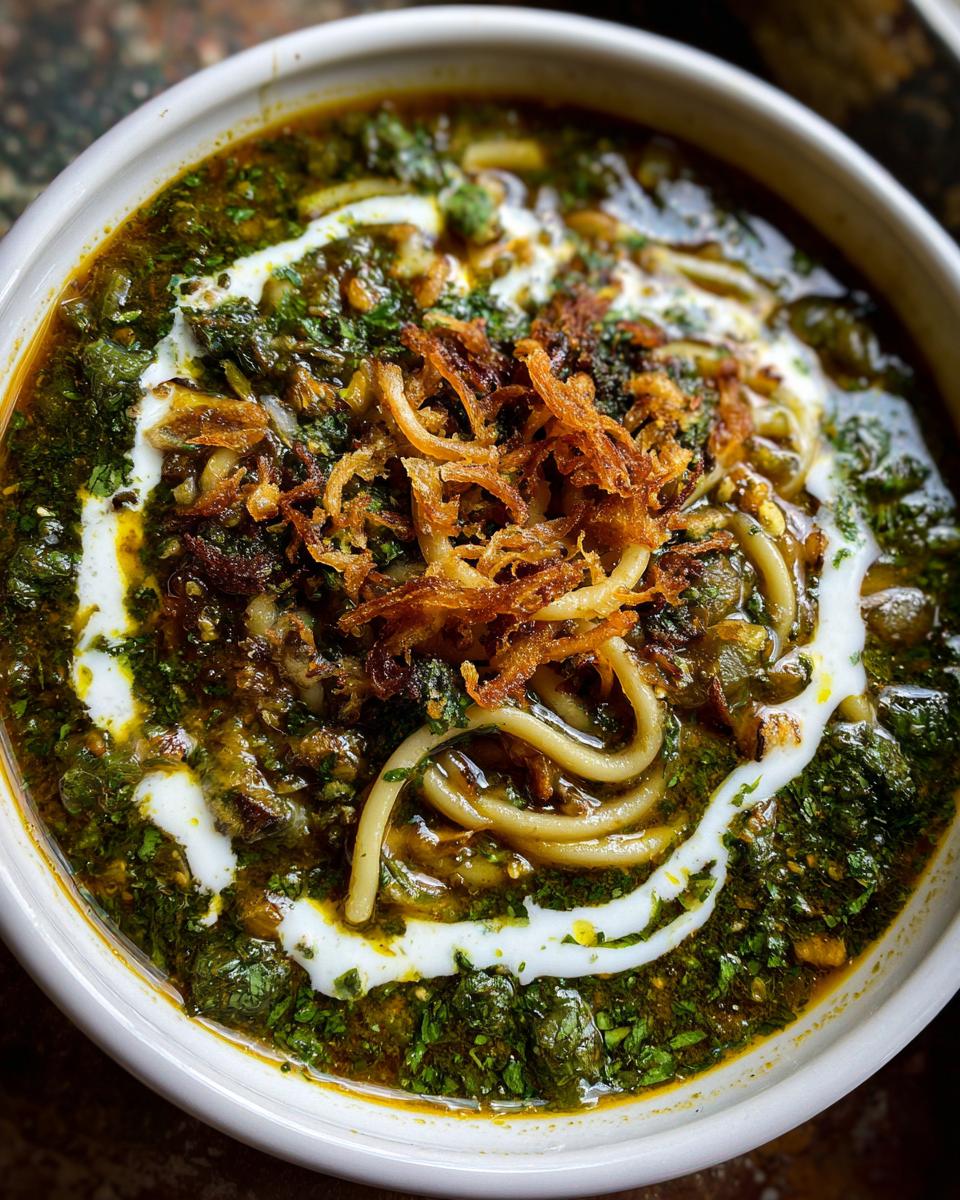
If you want to see how some truly fabulous cooks present this dish, I always look at inspiration from folks who grew up making authentic versions like this one. It’s all about those final garnishes!
Storing Leftovers of Your Persian Noodle Soup
One of the many treasures of making a big batch of this persian noodle soup is having leftovers—it tastes even better the next day, I swear! Things just meld together overnight, which is perfect for an easy lunch. You can safely keep your leftover soup in an airtight container in the refrigerator for about three to four days.
When you’re ready to reheat it, do it gently on the stovetop over medium-low heat. You will probably notice it has thickened up significantly since the noodles are still absorbing liquid even when refrigerated—that’s totally normal! Keep a little kettle of hot water nearby. If it gets too dense or paste-like, just stir in a splash of hot water as it heats until you reach that comforting consistency you love. Remember, we want soup, not glue!
Here is my biggest rule for leftovers, the same one I use for this Traditional Persian Soup: Keep those crunchy toppings completely separate! Never try to store the fried onions (Piaz Dagh) or the fried mint (Nana Dagh) inside the soup container. They will get soggy instantly, and honestly, that ruins the whole textural experience we worked so hard to achieve. Store the toppings in separate little dry jars, and then you just sprinkle them on fresh right before serving. It ensures every leftover bowl tastes just as good as the first!
Frequently Asked Questions About Ash Reshteh
I figured you might have a few questions after diving into this rich, comforting recipe! When I first started making this, I definitely did. These are the things that always come up, so I gathered the answers right here for you. It just shows how much thought goes into making a truly authentic dish, even if it uses simple supplies. If you’re having trouble finding some of the specific ingredients, I found some fantastic tips over here on Hannah Delgado’s site that might help you source substitutes!
Can I make this persian noodle soup completely vegan?
Absolutely, yes! This is one of the best things about this recipe—it already leans heavily toward being a vegetarian Persian soup because the base is all legumes and greens. The only thing you need to swap out is the topping. The traditional kashk has dairy, so just skip that entirely or use a plain, unsweetened plant-based yogurt that mimics the tang if you like that swirled look on top. Honestly, piling on extra fried onions and mint is perfection anyway!
What is the difference between Ash Reshteh and other Middle Eastern Soups?
That is a great question because the Middle East has so many marvelous soups! Where other popular regional soups might rely more heavily on grains like rice, or be very tomato-based or meat-centric, Ash Reshteh is defined by two things: the massive amount of fresh herbs and the reshteh noodles themselves. It’s incredibly green and dense because of the herbs, and it’s meant to be thick, almost like a stew—definitely turning it into a main course rather than just a starter broth. It’s a very distinct, herbaceous flavor profile compared to general Middle Eastern Soup profiles.
Why is my Ash Reshteh Recipe too thin or too thick?
This is the classic noodle problem, and it happens because those reshteh noodles are like tiny sponges! They swell up and drink all the liquid while they cook, and even when they are finished, they keep absorbing moisture while sitting. If you taste it right when the noodles are done and it seems a little loose, great! Let it sit for ten minutes—it will thicken up beautifully. If you reheat leftovers and it’s turned into a solid brick, don’t panic! Just stir in a bit of hot water or broth over low heat until it loosens back up to that comforting consistency you love. If it’s truly too thin when you first add the noodles, just let it simmer uncovered a little longer before adding them in.
If you need more inspiration on hearty, simple meals, I always keep my favorites organized. You can check out my recipe for classic hearty pea soup when you’re done here!
Nutritional Estimates for This Hearty Herb Soup
Now, I know some of you are tracking things, and while Daisy certainly never worried about grams of fat while whipping up her famous dishes, I do want to give you a general idea of what’s in a hearty bowl of this Ash Reshteh. Remember, this is based on estimates using standard ingredients, and how much rich kashk or full-fat yogurt you swirl on top really changes the final count!
Because this is a legume and herb soup, it’s naturally loaded with fiber and protein, which is one reason I love making this when I need serious energy. If you’re looking for other ways to boost your fiber intake, you should definitely peek at my veggie lentil salad prep notes!
Here are the rough nutritional estimates per serving (one bowl, assuming standard topping amounts):
- Calories: Approximately 450
- Fat: Around 12g (This will vary based heavily on the oil used for frying toppings)
- Protein: A solid 25g! That legume power, folks.
- Carbohydrates: About 70g (Mostly complex carbs from the noodles and beans)
- Fiber: A whopping 15g, making this incredibly nourishing!
Just a quick reminder—these numbers are based on the traditional recipe, and they definitely shift if you go heavy on that savory kashk topping versus using a lighter Greek yogurt alternative. Enjoy eating something that feels amazing and fuels you up!
Share Your Experience Making This Comforting Noodle Soup
Now that you’ve gone through the effort of soaking the beans, chopping all those gorgeous fresh herbs, and stirring that pot until it thickened just right, I truly want to hear from you! This recipe, inheriting the soul of my grandmother Daisy’s kitchen, only feels complete when it’s shared.
Did it bring that cozy feeling back home for you? Did your kitchen smell like a true Middle Eastern kitchen should? I’m just Amelia, a baker turned noodle soup enthusiast, and knowing this accessible recipe works beyond my own counter means the world to me. Don’t forget to leave your rating right below—five stars if it brought you comfort!
I live for those comments where you tell me how your first batch of persian noodle soup turned out. Did you try the kashk, or did you stick to the plain yogurt? Did you manage to find the reshteh noodles, or did you snap the spaghetti like I suggested?
If you snapped a picture of your beautifully garnished bowl—especially with those crispy fried onions piled high—I’d be absolutely thrilled if you shared it! Tag me on social media so I can see your amazing creations. It’s so inspiring to see this legacy of simple, honest comfort cooking live on in your busy kitchens.
If you loved building flavor in this one pot soup recipe, wait until you try my recipe for easy moist chocolate chip banana bread next time you need a sweet comfort fix! And if you want to see more ways people are loving this aromatic dish, check out what others are saying on Cooking Taste.
PrintAsh Reshteh: Hearty Persian Noodle Soup

Make authentic Ash Reshteh, a traditional, comforting Persian noodle soup packed with fresh herbs, legumes, and tender noodles. This one-pot meal delivers deep, wholesome flavor perfect for any gathering or a cozy dinner.
- Prep Time: 30 min
- Cook Time: 2 hours
- Total Time: 2 hours 30 min
- Yield: 6 servings 1x
- Category: Dinner
- Method: Stovetop
- Cuisine: Persian
- Diet: Vegetarian
Ingredients
- 1 cup dried chickpeas, soaked overnight
- 1 cup dried kidney beans, soaked overnight
- 1 cup dried lentils, rinsed
- 1 large onion, chopped
- 3 cloves garlic, minced
- 1 bunch fresh parsley, chopped
- 1 bunch fresh cilantro, chopped
- 1 bunch fresh dill, chopped
- 1 bunch fresh spinach, chopped
- 1 bunch fresh green onions (scallions), chopped
- 1 cup dried reshteh noodles (or thin egg noodles)
- 1 teaspoon turmeric powder
- 1 teaspoon dried mint
- Salt and black pepper to taste
- Vegetable oil for sautéing
- For Topping: 1/2 cup fried onions (Piaz Dagh)
- For Topping: 1/4 cup dried mint, lightly fried in oil (Nana Dagh)
- For Topping: 1/2 cup kashk (Persian whey) or plain Greek yogurt
Instructions
- Drain and rinse the soaked chickpeas and beans. Place them in a large pot with enough fresh water to cover them by several inches. Bring to a boil, then reduce heat and simmer until partially tender, about 1 to 1.5 hours. Skim off any foam.
- While the legumes cook, heat 2 tablespoons of oil in a separate skillet over medium heat. Add the chopped onion and sauté until soft and translucent, about 8 minutes. Add the minced garlic and turmeric, cook for 1 minute until fragrant.
- Add the onion and garlic mixture to the pot with the legumes. Add the lentils, salt, and pepper. Continue to simmer.
- Add all the fresh chopped herbs (parsley, cilantro, dill, spinach, green onions) and the dried mint to the soup. Stir well.
- Add enough water to reach your desired soup consistency. Bring the soup back to a gentle simmer.
- Add the reshteh noodles. Cook according to package directions, usually 10 to 15 minutes, stirring often to prevent sticking. The soup will thicken considerably.
- Taste and adjust seasoning. If the soup is too thick, add a little hot water.
- To serve, ladle the Ash Reshteh into bowls. Drizzle with kashk or Greek yogurt, and garnish generously with fried onions (Piaz Dagh) and fried dried mint (Nana Dagh).
Notes
- For a vegetarian Persian soup, ensure you use vegetable broth or water instead of chicken broth.
- If you cannot find reshteh noodles, use thin spaghetti broken into small pieces or vermicelli.
- You can prepare the fried onions and mint topping ahead of time for quicker assembly.
- This nourishing homemade soup freezes well without the toppings.
Nutrition
- Serving Size: 1 bowl
- Calories: 450
- Sugar: 5
- Sodium: 550
- Fat: 12
- Saturated Fat: 2
- Unsaturated Fat: 10
- Trans Fat: 0
- Carbohydrates: 70
- Fiber: 15
- Protein: 25
- Cholesterol: 5