

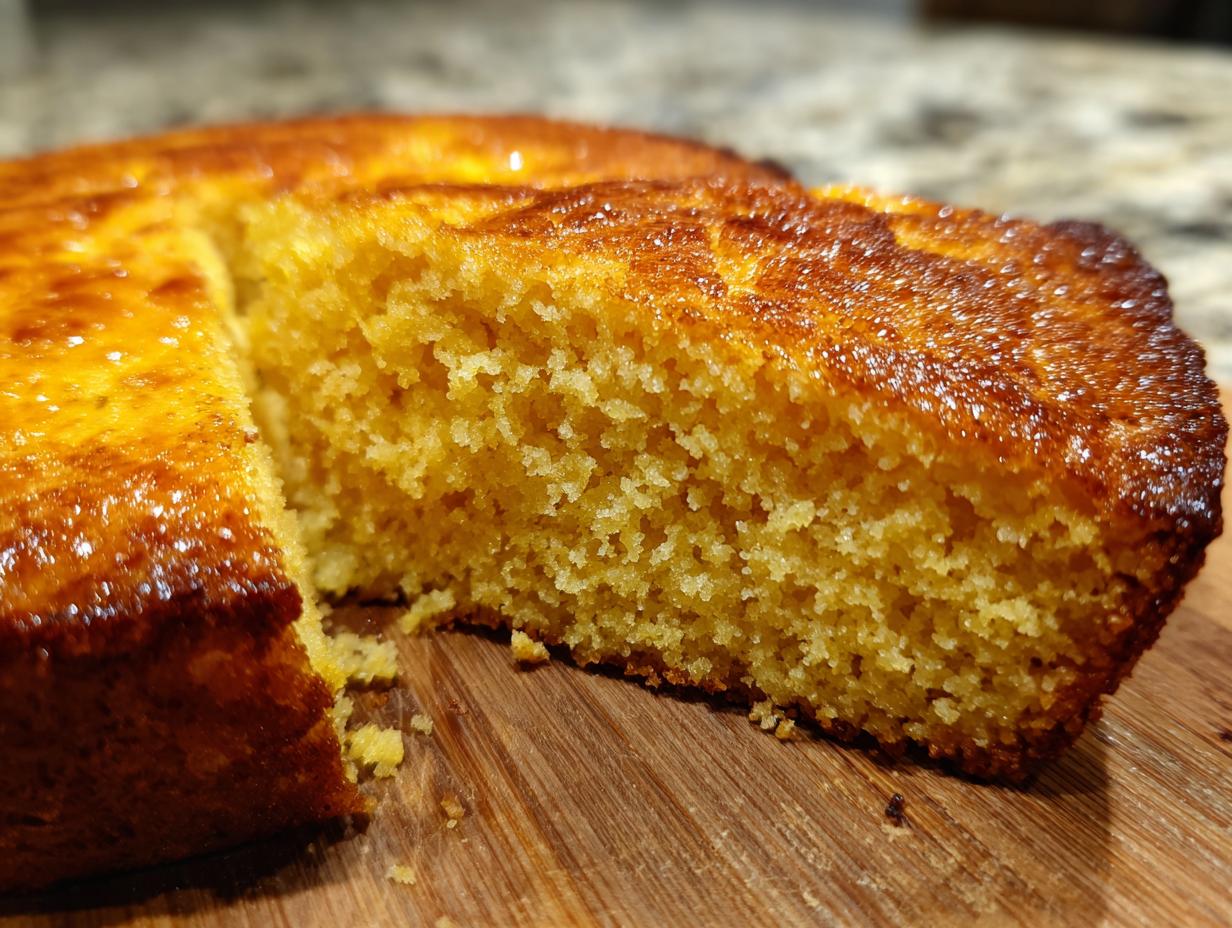
Friends, how many times have you tried making cornbread only to end up with something dry, crumbly, or disappointingly cakey? I remember standing in my city kitchen, miles away from Grandma Daisy’s farmhouse, trying to recapture that perfect, comforting flavor. Everything I baked felt flat. Then I remembered the secret she always kept close: the cast iron skillet. That’s why I’m sharing The Ultimate Moist Honey Skillet Cornbread with you today. This recipe uses cast iron to lock in moisture while creating those coveted, shattering golden edges. It’s the closest I’ve ever gotten to that warm, non-cakey slice from Daisy’s counter. If you make this, you absolutely must pair it with my whipped honey butter—trust me on that one!
- Why This Moist Cornbread Recipe Works Every Time
- Gathering Ingredients for Perfect Honey Cornbread
- Step-by-Step Instructions for This Easy Cornbread
- Serving Suggestions for Your Buttery Cornbread
- Storage and Reheating This Classic Cornbread
- Troubleshooting Common Cornbread Issues
- Frequently Asked Questions About Southern Cornbread
- Nutritional Estimates for Your Homemade Cornbread
- Share Your Experience Baking This Cornbread
Why This Moist Cornbread Recipe Works Every Time
It’s one thing to have ingredients, but it’s another to understand the engineering behind a great slice of cornbread. When I was trying to perfect this, I wanted that signature Southern flavor but with a modern, super-soft interior. This Moist Cornbread Recipe delivers because we focus on two textural goals: a shatteringly crisp outer layer and a truly Tender Crumb Bread inside. It’s about harnessing heat and managing gluten development. Once you understand why Daisy insisted on preheating that pan, you’ll never look back. This method is foolproof, which is why I call it my ‘no-fail’ classic for any occasion, especially when I’m serving it alongside my famous southern fried cabbage!
The Secret to Golden Edges: Hot Skillet Cornbread Technique
Listen up, because this is the game-changer. You must preheat your cast iron skillet in the oven while it comes up to temperature. We aren’t just warming the pan; we are creating a super-hot surface. When the batter hits that screaming-hot, butter-coated surface, the sugars caramelize *instantly*. That sizzle is your cue for that perfect, crunchy bite you can only get from true Skillet Cornbread. Don’t skip this—it makes all the difference between a soft side dish and an iconic one!
Achieving a Tender Crumb in Your Cornbread
The second secret to avoiding that dreaded cakey texture is simple: don’t wake up the flour! We want a soft, Tender Crumb Bread, not something tough from developing too much gluten. That’s why we mix the wet and dry ingredients until they are *just* blended. The acidity in the buttermilk also helps keep everything tender and adds a lovely tang. Just mix until you can barely still see the dry streaks, and stop! Patience right here guarantees soft results.
Gathering Ingredients for Perfect Honey Cornbread
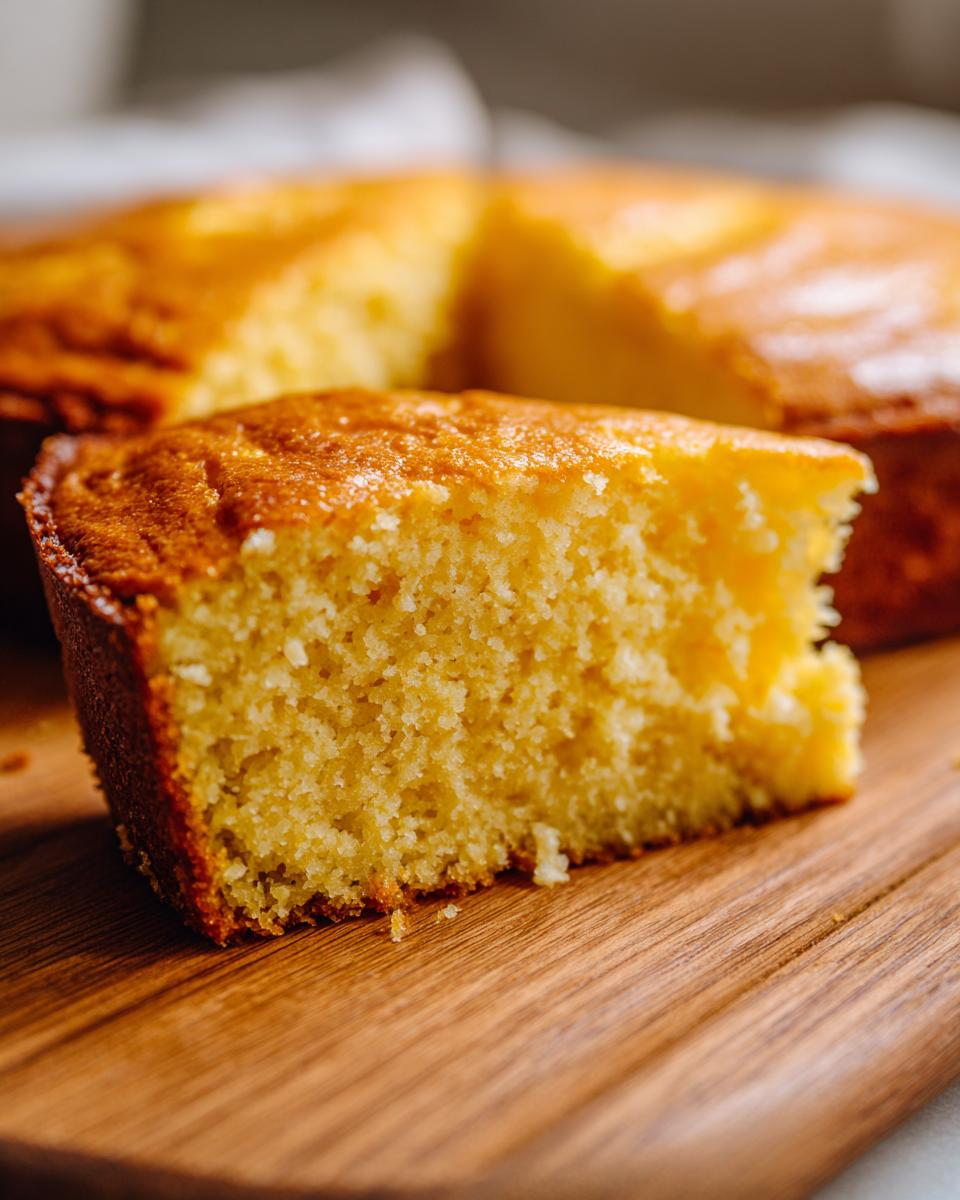
When I first started recreating Grandma Daisy’s simple baking, I realized that the magic wasn’t in fancy flours—it was in making sure every staple ingredient was doing heavy lifting. For this Ultimate Moist Honey Skillet Cornbread, we are keeping things incredibly straightforward, but you do need to follow the measurements exactly. The combination of buttermilk, honey, and cornmeal is what keeps this bread so wonderfully soft inside. If you keep your pantry stocked with these essentials, you can whip up this amazing comfort food side dish whenever the craving hits you, which for me, is basically all the time! Before we mix everything, here are the exact things you’ll need for a perfect batch. If you happen to love simple recipes like this, you might also want to check out my cheats for easy 3-ingredient chocolate fudge; sometimes the simple ones are the best!
- 1 1/2 cups yellow cornmeal
- 1 cup all-purpose flour
- 1/4 cup granulated sugar
- 1 tablespoon baking powder
- 1 teaspoon salt
- 1/2 cup (1 stick) unsalted butter, melted, plus extra for greasing the skillet
- 1/4 cup honey
- 1 cup buttermilk
- 2 large eggs
Ingredient Notes and Substitutions for Classic Cornbread
A couple of quick notes before you measure everything out. First, about that butter: while the recipe calls for melted butter in the batter, we use extra later to grease the hot skillet. If you want to lean harder into that authentic Southern flavor I mentioned, substitute that extra greasing butter with bacon grease. It adds a smokiness that’s just heavenly! Also, because this leans toward a Sweet Cornbread, I often cut that granulated sugar down to just 2 tablespoons if I know I’m serving it with something already super sweet, like glazed ham. This way, the honey really shines without overwhelming the palate. It’s your bread, so feel free to make it your own!
Step-by-Step Instructions for This Easy Cornbread
Okay, we have our ingredients; now let’s talk process. Remember, I want you to bake something consistently moist and golden, not something you need a glass of water to swallow! This recipe is one of my favorites for busy evenings because it comes together so quickly—it’s a perfect example of a great Easy Cornbread that feels rustic and homemade. We move fast, but we need to be precise about heat, especially when baking in cast iron. If you’re looking for more speedy meal ideas, check out my post on quick weeknight dinner ideas! The key here is managing the heat and mixing only as much as absolutely necessary. Let’s get this Quick Bread Recipe started!
Preheating the Cast Iron for Superior Cornbread
You can start mixing the batter, but the pan must be ready first. Step one is non-negotiable: Preheat your oven to 400°F (200°C). But here’s the magic—put your 10-inch cast iron skillet right in there while it heats up! We want that metal ripping hot. When we take this skillet out later, the batter needs to hit that searing hot surface immediately to establish those beautiful, crisp edges you’re looking for in Cast Iron Cornbread. Do not try to grease a warm pan; it needs to be smoking hot.
Mixing the Batter for a Fluffy Cornbread
While the oven is heating, get your dry ingredients—cornmeal, flour, sugar, baking powder, and salt—whisked together in a big bowl. In a separate bowl, quickly beat your wet ingredients: melted butter, honey, buttermilk, and eggs. Now, pour all that liquid right into the dry stuff. Seriously, stop mixing once you see the flour streaks disappear. I mean it! A few small lumps are your assurance that you’ve created a genuine Fluffy Cornbread. Overmixing develops gluten and that leads straight to the dry, tough bread we are trying to avoid.
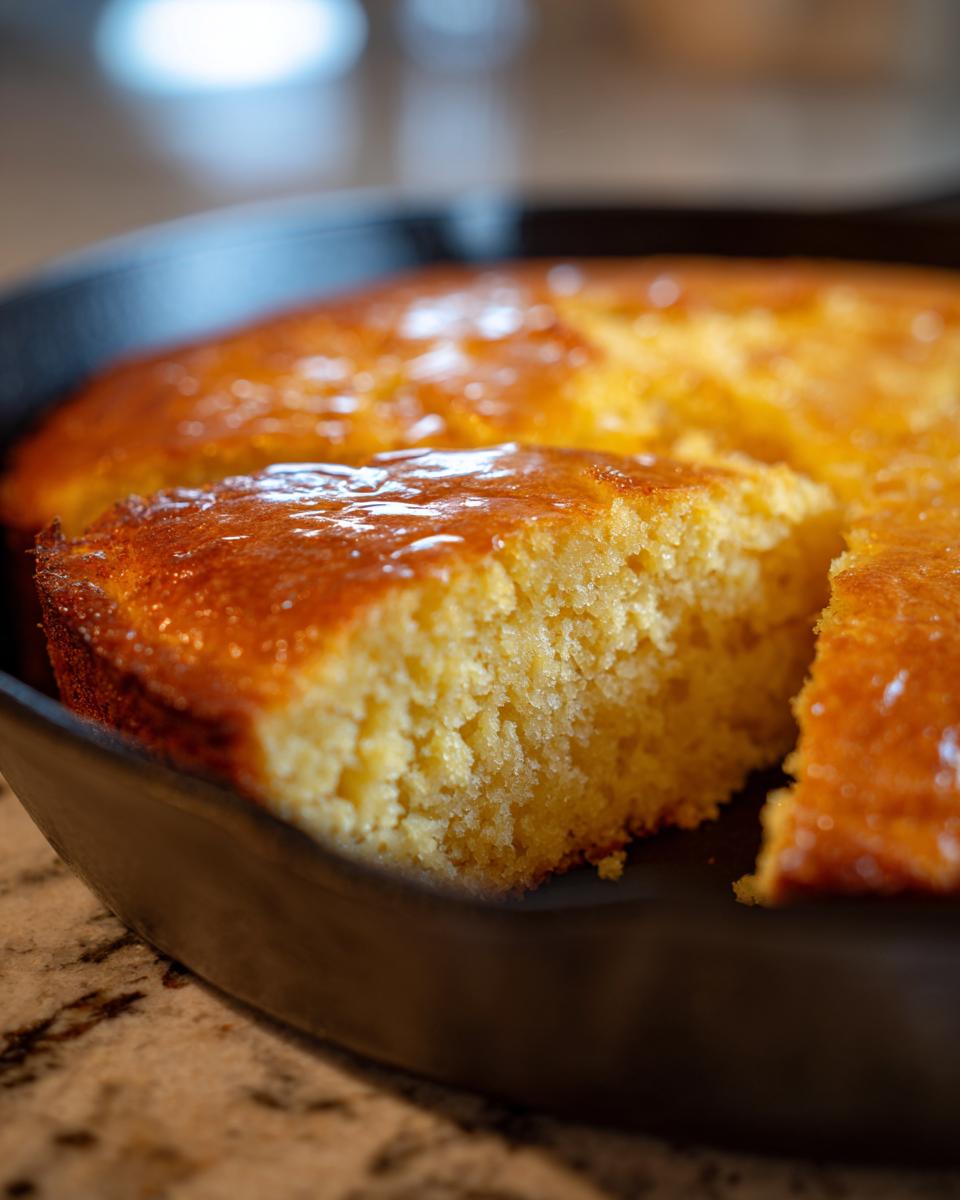
Finally, the exciting part! Carefully pull that scorching skillet out (use good mitts!) and swirl two tablespoons of the remaining melted butter around until the whole pan sizzles. Pour that batter right in—it should sizzle loudly. Pop it back into the oven for 20 to 25 minutes, and you’re done!
Serving Suggestions for Your Buttery Cornbread
That moment when the cornbread comes out of the skillet, golden and still steaming, is pure joy. This Buttery Cornbread is so versatile! It’s wonderful slightly warm on its own, but it truly shines next to hearty favorites. For a perfect night in, you absolutely must serve thick wedges alongside a big, smoky bowl of my easy black bean chili. The slight sweetness of the honey cornbread cuts through the spice beautifully.
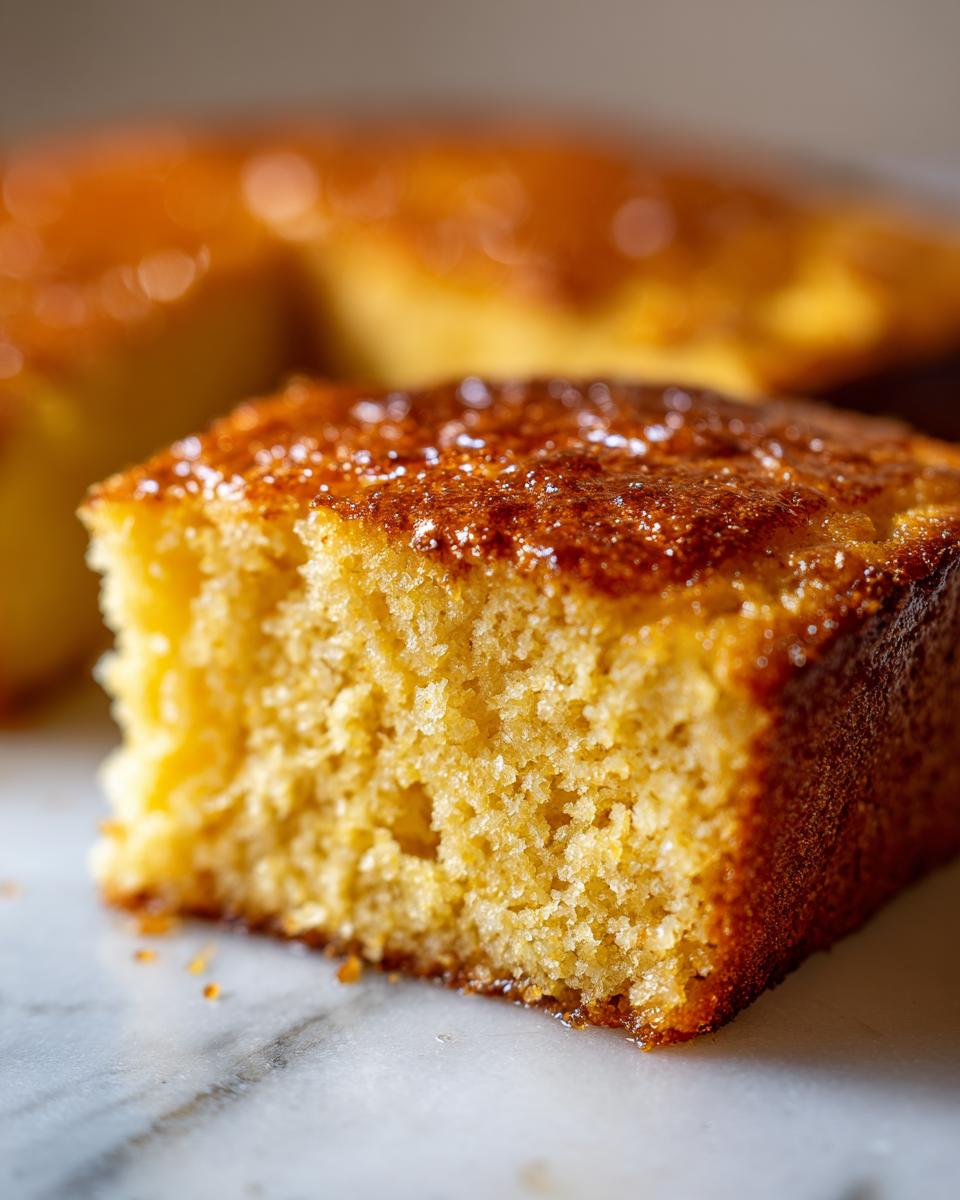
It’s also one of my favorite Side Dishes for BBQ season throughout the summer. Honestly, having a good, moist slice next to pulled pork or smoked ribs just completes the meal. And if you want to go all out for the family? Drizzle the top with a generous amount of that homemade whipped honey butter. It just melts right into those craggy, crisp edges. This bread is the definition of comfort on a plate!
Storage and Reheating This Classic Cornbread
Even the best batch of Classic Baking Recipes never seems to last the whole week at my house, but when it does, how you treat leftovers matters! We want to preserve that moisture we worked so hard to achieve. If you happen to have any leftover cornbread, the absolute best way to store it is completely cooled, wrapped tightly in plastic wrap, and then placed inside an airtight container on the counter. Don’t put it in the fridge unless you live somewhere very hot and humid; the cold just sucks the tenderness right out of it.
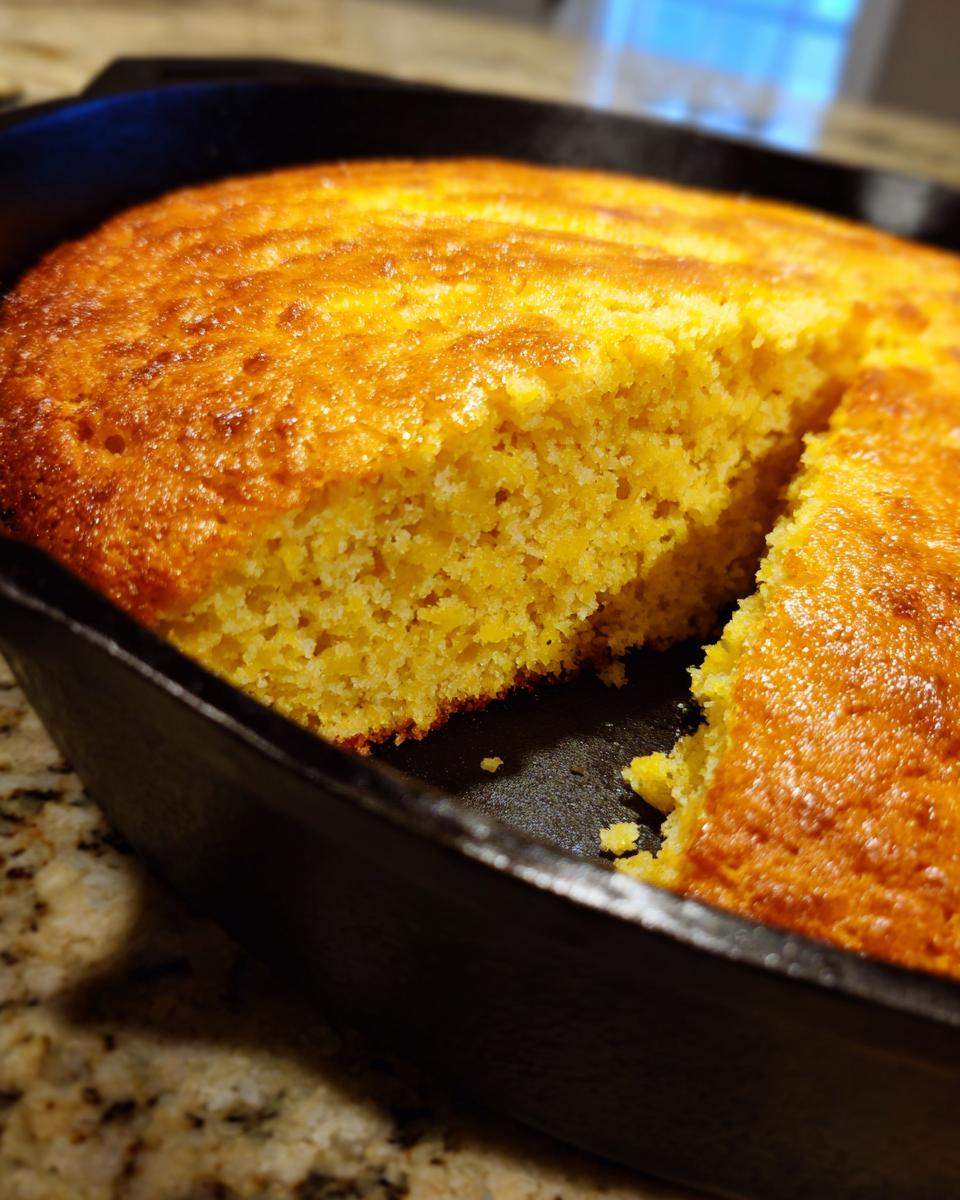
Now, reheating is just as important as storage. You don’t want to microwave it—microwaving equals instant rubber brick, and we worked too hard for a Tender Crumb Bread to let that happen!
My favorite method is actually bringing back the heat, just like we baked it. If you have a few minutes, slice off a wedge and pop it back into a slightly warmed 350°F oven for about five minutes. This revives the moisture inside and gives you that slightly crisp edge back on the outside. If you’re short on time and just want to eat it right now, a quick 30 seconds in the microwave next to a damp paper towel can work in a pinch, though it won’t bring back the crust.
I often serve leftovers the next day alongside something like my classic creamy deviled eggs, and reheating the cornbread in the oven first makes it feel just as fresh. This recipe holds up better than almost any quick bread I’ve made!
Troubleshooting Common Cornbread Issues
Even with the best instructions, sometimes things don’t turn out exactly right, and that’s totally okay! Baking is chemistry, but it’s also intuition, and sometimes we need a little detective work to figure out why our bread went sideways. Don’t you dare toss it out! I’ve made every mistake in the book trying to recreate Grandma Daisy’s perfect texture, and I can usually spot the issue right away. If your bread isn’t hitting the mark, check my notes below. My main focus here is always making sure you have that perfect, slightly sweet, sliceable dish, not dense bread!
When it comes to a No Fail Cornbread, the diagnosis usually comes down to two things: mixing technique or heat management. If you’re seeking that true Southern-style texture but ended up with something disappointing, one of these tips should bring you right back to that tender, moist joy.
My Cornbread Didn’t Develop Golden Edges
Oh, the heartbreak of a pale, squishy edge when you were expecting that beautiful, crackly crust! This almost always comes down to one of two errors in the Cast Iron Cornbread technique. First, was your skillet hot enough? You need that pan roaring hot! If the oven had only just beeped, the skillet didn’t have enough time to absorb that crucial thermal energy. Second, did you skip the extra butter swirl right before pouring in the batter? That fat layer needs to be sizzling; it’s the medium that flash-fries the edges of the batter, creating that glorious, crisp texture. If you used oil instead of butter or bacon grease, you might also see less browning, since butter solids contribute to that deep color.
If you followed the preheating perfectly and it still came out pale, check your oven temperature with a separate gauge. Sometimes, ovens lie to us, and if it’s running 50 degrees cooler than you think, you won’t get that immediate caramelization needed for the edges to crisp up before the center has already set.
Frequently Asked Questions About Southern Cornbread
I get so many questions after people try this recipe for the first time, usually because they’re just as obsessed with the texture as I am! It’s funny how something as simple as cornbread can cause so much confusion, but that’s because everyone expects something different from their bake. Did you want that savory, crumbly classic, or are you dreaming of that sweeter, melt-in-your-mouth slice? I try to answer the big ones here so you can be confident every time you pull that cast iron skillet out. If you’re looking for another great pairing for dinner besides chili, you could try serving this alongside my easy cheesy potato casserole!
Is this recipe truly Southern Cornbread or Sweet Cornbread?
That’s a fantastic question, and it gets right to the heart of the regional differences! Traditionally, straight-up Southern Cornbread is savory, maybe with just a hint of sweetness from the corn itself, and it’s often made without any added sugar because it’s meant to soak up pot liquor or go with beans. But let’s be real: most folks today—myself included—love a little touch of sweetness! My Honey Cornbread recipe lands right in the perfect middle ground. We use a bit of sugar and some honey, which pushes it into the Sweet Cornbread category, but we rely heavily on the buttermilk and the cornmeal flavor so it never tastes like cake. It’s the best of both worlds, offering that tender crumb we love while still respecting its Southern roots.
Can I make this No Fail Cornbread without buttermilk?
Yes, you absolutely can, unless you’re aiming for the absolute peak tenderness that only real buttermilk provides! If you open your fridge and realize you are out, don’t panic or run to the store. We can fake it! To make a substitute for that cup of buttermilk in this No Fail Cornbread recipe, simply take one cup of regular milk—whole milk works best if you have it—and whisk in one tablespoon of white vinegar or fresh lemon juice. Let that mixture sit on the counter for about five to ten minutes. It will look slightly curdled, and that’s perfect! It creates the necessary acid to activate the baking powder and tenderize the texture. It will still bake up beautifully, although true cultured buttermilk generally helps create a slightly richer, more complex flavor profile overall.
Nutritional Estimates for Your Homemade Cornbread
Now, before we wrap up, I know some of you are looking at this rich, golden bake and wondering about the details. Daisy never worried about things like this—she believed good food was good food! But as we move into a new generation of cooking, it’s helpful to have a general idea of what’s in our favorite dishes. So, for those of you tracking macros or just curious, here are the estimates for a single serving of this incredible Moist Cornbread Recipe. Remember, this is just a guide for one wedge from the skillet.
Please just keep in mind that these numbers are based on the specific measurements and ingredients listed above. If you swap out the type of cornmeal we used, or if you decide to use my favorite trick and substitute bacon grease for some of that butter, the final nutritional facts for your Buttery Cornbread will shift slightly. Baking at home gives us control, but these are our best guesses for this recipe!
- Serving Size: 1 wedge
- Calories: 280
- Sugar: 10g
- Sodium: 350mg
- Fat: 14g
- Saturated Fat: 8g
- Unsaturated Fat: 6g
- Trans Fat: 0g
- Carbohydrates: 33g
- Fiber: 2g
- Protein: 6g
- Cholesterol: 75mg
Share Your Experience Baking This Cornbread
And that, my friends, is the whole story behind making the moistest, most perfectly crusted cornbread you’ll ever pull from an oven! I truly hope that when you pull that hot skillet out and smell that wonderful, buttery, slightly sweet aroma, you feel that same connection to simple, meaningful home cooking that I feel every time. This recipe represents Daisy’s legacy for me—proof that the best food is often the most honest.
Now that you’ve baked this batch of Skillet Cornbread, I desperately want to hear what you think! Was the skillet technique a total game-changer for you? Did you manage to get those super crisp, golden brown edges? And most importantly, tell me—did it achieve the moist, tender crumb bread texture we were hoping for?
Please take a second to click those stars right under the recipe card to give it a rating—it helps so many other home cooks feel confident trying this out. Then, drop down into the comments below and tell me everything! Were you serving it with chili? Did you add any secret spices? I absolutely love reading your stories and seeing how you bring these classic recipes into your own busy kitchens. And if you ever have a question, or just want to say hey, you can always reach out through my contact page. Happy baking, and thank you for keeping Daisy’s spirit—and amazing cornbread—alive!
PrintThe Ultimate Moist Honey Skillet Cornbread
Bake this incredibly moist and tender cornbread in a cast iron skillet for perfect golden edges. This sweet, buttery recipe uses simple ingredients for a classic Southern side dish.
- Prep Time: 10 min
- Cook Time: 25 min
- Total Time: 35 min
- Yield: 8 servings 1x
- Category: Side Dish
- Method: Baking
- Cuisine: American
- Diet: Vegetarian
Ingredients
- 1 1/2 cups yellow cornmeal
- 1 cup all-purpose flour
- 1/4 cup granulated sugar
- 1 tablespoon baking powder
- 1 teaspoon salt
- 1/2 cup (1 stick) unsalted butter, melted, plus extra for greasing the skillet
- 1/4 cup honey
- 1 cup buttermilk
- 2 large eggs
Instructions
- Preheat your oven to 400°F (200°C). Place a 10-inch cast iron skillet in the oven while it preheats. This step creates the crispy edges.
- In a large bowl, whisk together the cornmeal, flour, sugar, baking powder, and salt.
- In a separate medium bowl, whisk together the melted butter, honey, buttermilk, and eggs until combined.
- Pour the wet ingredients into the dry ingredients. Mix gently with a spatula until just combined. Do not overmix; a few lumps are fine for a tender crumb.
- Carefully remove the hot skillet from the oven using oven mitts. Add 2 tablespoons of the remaining melted butter to the hot skillet and swirl to coat the bottom and sides completely. The butter should sizzle.
- Pour the cornbread batter immediately into the hot, buttered skillet.
- Return the skillet to the oven and bake for 20 to 25 minutes, or until the top is golden brown and a toothpick inserted into the center comes out clean.
- Let the cornbread cool in the skillet for 5 minutes before slicing and serving warm.
Notes
- For extra golden edges, use bacon grease instead of butter to grease the hot skillet.
- Serve this moist cornbread with chili, BBQ, or your favorite comfort food.
- If you prefer a less sweet version, reduce the sugar to 2 tablespoons.
Nutrition
- Serving Size: 1 wedge
- Calories: 280
- Sugar: 10
- Sodium: 350
- Fat: 14
- Saturated Fat: 8
- Unsaturated Fat: 6
- Trans Fat: 0
- Carbohydrates: 33
- Fiber: 2
- Protein: 6
- Cholesterol: 75