The Best Soft and Chewy Snickerdoodles
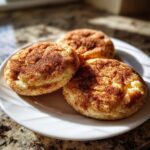
Make classic, buttery snickerdoodles that stay soft and chewy. This easy recipe features a double coating of cinnamon sugar for the best flavor.
- Prep Time: 15 min
- Cook Time: 10 min
- Total Time: 25 min
- Yield: About 3 dozen cookies 1x
- Category: Dessert
- Method: Baking
- Cuisine: American
- Diet: Vegetarian
Ingredients
Scale
- 2 3/4 cups all-purpose flour
- 2 teaspoons cream of tartar
- 1 teaspoon baking soda
- 1/2 teaspoon salt
- 1 cup unsalted butter, softened
- 1 1/2 cups granulated sugar, divided (1 cup for dough, 1/2 cup for coating)
- 2 large eggs
- 2 teaspoons vanilla extract
- 3 tablespoons ground cinnamon (for coating)
Instructions
- Preheat your oven to 375°F (190°C). Line baking sheets with parchment paper.
- In a medium bowl, whisk together the flour, cream of tartar, baking soda, and salt. Set aside.
- In a large bowl, beat the softened butter and 1 cup of the granulated sugar with an electric mixer until light and fluffy.
- Beat in the eggs one at a time, then mix in the vanilla extract.
- Gradually add the dry ingredients to the wet ingredients, mixing on low speed until just combined. Do not overmix.
- In a shallow dish, combine the remaining 1/2 cup of granulated sugar and the 3 tablespoons of cinnamon. This is your cinnamon-sugar coating.
- Scoop the dough into balls, about 1.5 tablespoons each. Roll each ball thoroughly in the cinnamon-sugar mixture until fully coated. For extra coating, roll them a second time.
- Place the coated dough balls about 2 inches apart on the prepared baking sheets.
- Bake for 8 to 10 minutes. The edges should be set, but the centers should still look slightly soft. Do not overbake to keep them chewy.
- Let the cookies cool on the baking sheets for 5 minutes before transferring them to a wire rack to cool completely.
Notes
- For the softest cookies, use room temperature eggs and butter.
- The cream of tartar is essential; it gives snickerdoodles their signature slight tang.
- If you want extra crackly tops, gently press down on the dough balls slightly before baking.
- These are best eaten within three days for maximum chewiness.
Nutrition
- Serving Size: 1 cookie
- Calories: 150
- Sugar: 14g
- Sodium: 95mg
- Fat: 8g
- Saturated Fat: 5g
- Unsaturated Fat: 3g
- Trans Fat: 0g
- Carbohydrates: 19g
- Fiber: 0g
- Protein: 2g
- Cholesterol: 30mg
Find it online: https://daisyrecipe.com/best-soft-chewy-snickerdoodles-recipe/