

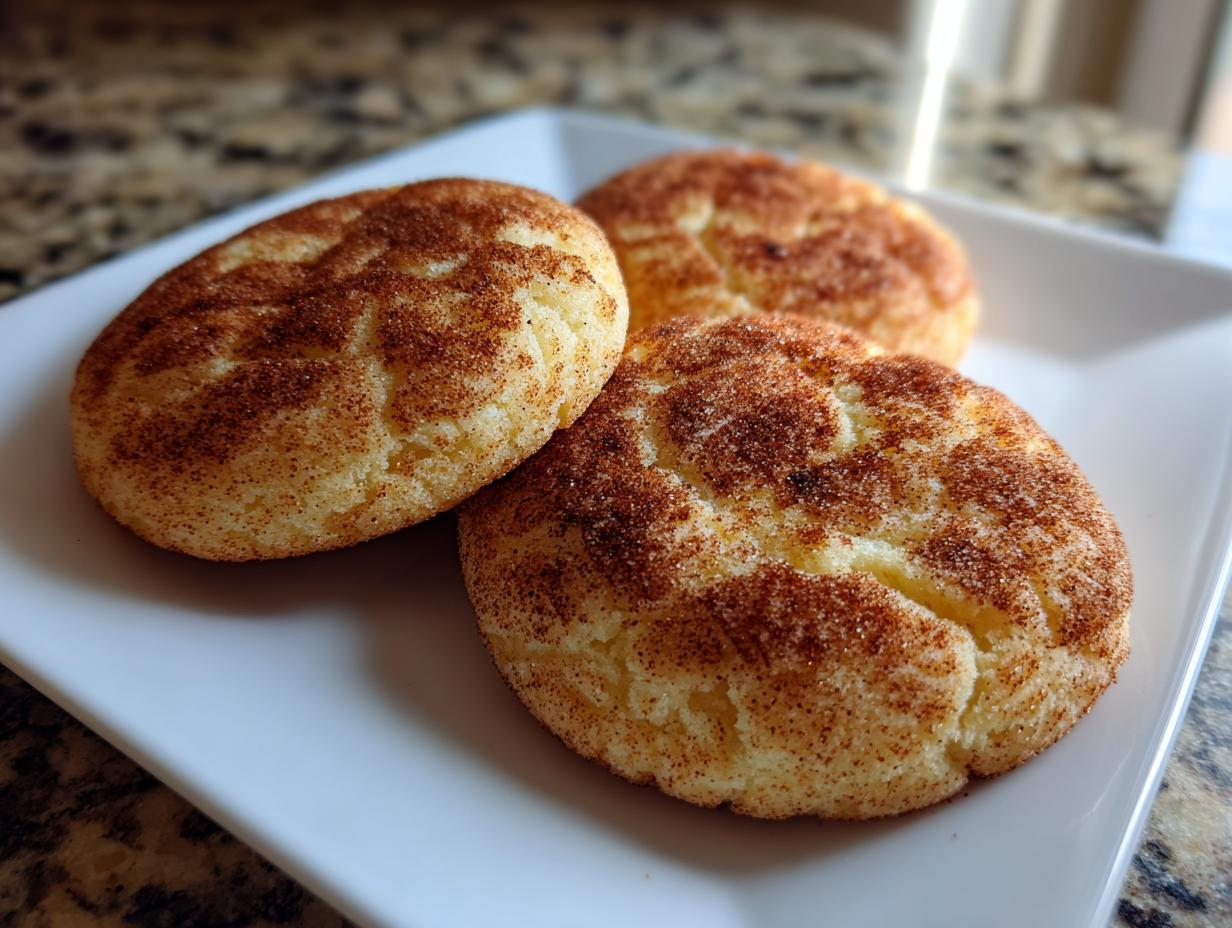
There is just something about a perfectly baked cookie that wraps you up like a cozy blanket, right? When I think about true comfort food, my mind immediately goes to the warm spice of cinnamon and sugar, and that’s where these phenomenal snickerdoodles shine. Trust me when I say these are hands-down the softest and chewiest cookies you’ll ever make, completely wrapped in that signature sugary crust we all love.
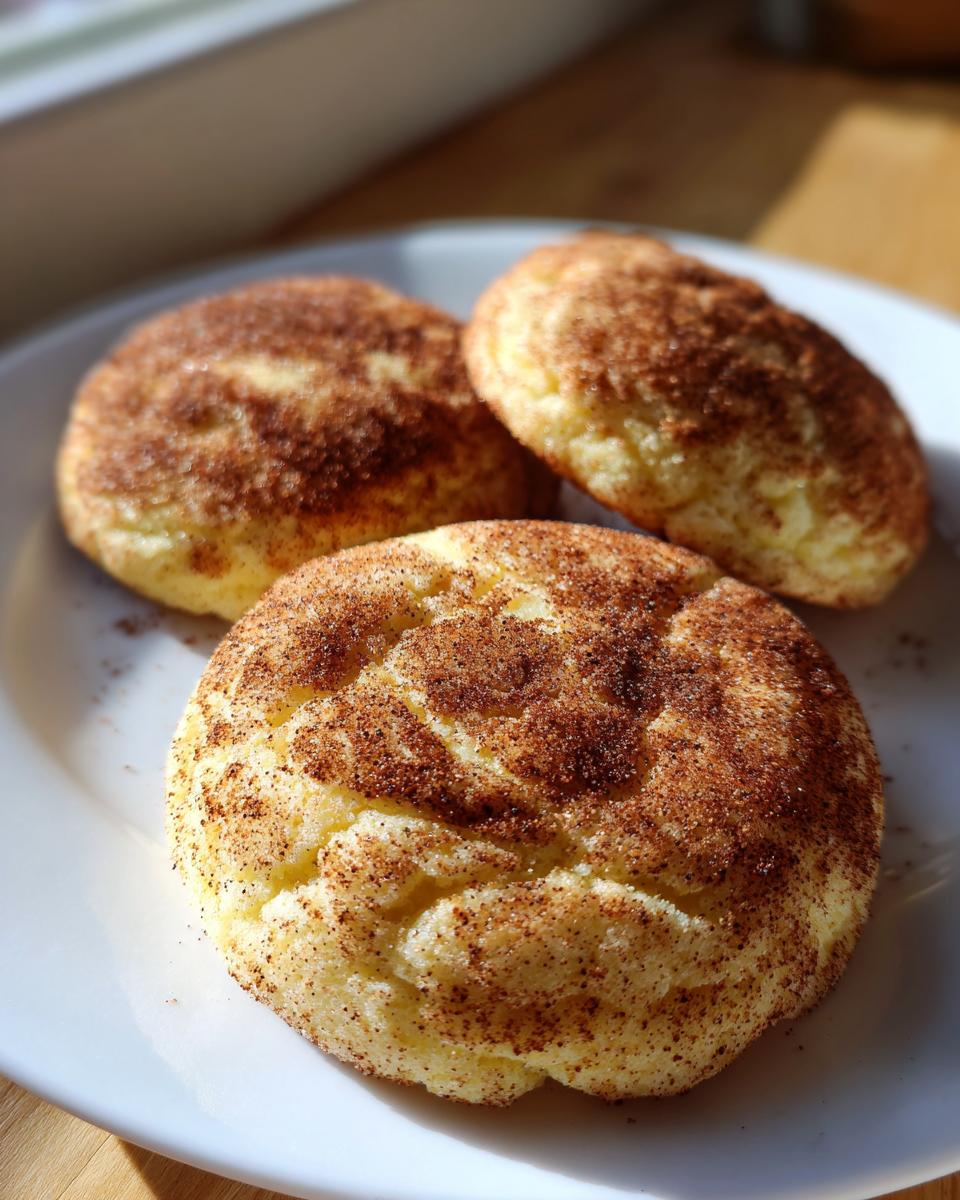
Here at Daisy’s Recipes, we keep things honest and simple. This recipe isn’t fussy; it’s built on the core philosophy that Amelia learned from her Grandmother Daisy: great food comes from simple, tested methods made with love. We’ve perfected this batch so you don’t have to sweat the details! You can read more about our kitchen philosophy over on our About Page.
- Why This is The Best Classic Snickerdoodle Recipe
- Ingredients for Buttery Snickerdoodles
- How to Prepare Easy Homemade Cookies: Step-by-Step Instructions for Snickerdoodles
- Baking Perfectly Baked Snickerdoodles
- Tips for Making Nostalgic Holiday Baking Snickerdoodles
- Storage & Reheating Instructions for Your Family Favorite Cookies
- Common Questions About Making Traditional Cinnamon Cookies
- Estimated Nutritional Information for Snickerdoodles
- Share Your Soft Cinnamon Sugar Cookies Experience
Why This is The Best Classic Snickerdoodle Recipe
You see dozens of cookie recipes online, but not all Classic Snickerdoodle Recipe versions deliver that satisfying soft center. These are the Best Ever Snickerdoodles because they focus on balance. We use just the right amount of fat and sugar to keep them tender, but the real secret weapon here is the cream of tartar. Seriously, don’t skip it! That little bit of acid is what gives snickerdoodles their signature, slightly tangy flavor that cuts through the sweetness.
If you follow my simple instructions, you’re guaranteed a buttery cookie that tastes like something baked in a real home kitchen, not a factory. That’s the Daisy tradition coming through!
Achieving Perfectly Soft and Chewy Snickerdoodles
Look, nobody wants a hard, crumbly cookie when they’re expecting chewy bliss. That’s why these receive so many saves across the internet—they work! When hunting for Tips for Chewy Cookies, remember two things: creaming the butter and sugar needs to be done well until it’s pale and fluffy, which incorporates air. Second, and this is huge: do not overbake! They should come out looking slightly underdone in the middle. They firm up on the hot baking sheet, giving you that perfect, melt-in-your-mouth chewiness later.
Ingredients for Buttery Snickerdoodles
Okay, time to raid the pantry! Since we are making these Buttery Snickerdoodles completely from scratch, you’ll want to make sure you have everything ready to go before you even turn the oven on. I’ve learned over the years that having your ingredients measured and sitting on the counter makes the actual mixing process almost relaxing. It really is the best from scratch cookie recipe you’ll try this year.
Here is exactly what you need for about three dozen of these beauties:
- 2 3/4 cups all-purpose flour
- 2 teaspoons cream of tartar (Seriously, this is non-negotiable for the right texture!)
- 1 teaspoon baking soda
- 1/2 teaspoon salt
- 1 cup unsalted butter, softened just right
- 1 1/2 cups granulated sugar, divided (That means 1 cup for the dough, and 1/2 cup for rolling!)
- 2 large eggs, room temperature is best
- 2 teaspoons vanilla extract
- 3 tablespoons ground cinnamon (This is the star for the coating!)
Ingredient Notes and Substitutions
Let’s talk details, because in baking, the difference between “good” and “amazing” is usually just one small step. For the butter and eggs, make sure they are room temperature. When butter is soft—you can gently press a finger into it, but it’s not melty—it creams up perfectly with the sugar, trapping air, which is key for that light texture. Cold eggs will shock the creamed butter and you’ll spend forever trying to get it smooth again.
The cream of tartar is vital. It reacts with the baking soda to give us that trademark slight tanginess and helps stabilize the cookie so it spreads just the right amount. Some people swap butter for shortening for an extra chewy cookie—I haven’t tried that variation much because I love the rich flavor pure butter brings, but if you want slightly less spread, you can certainly try swapping half the butter for vegetable shortening!
How to Prepare Easy Homemade Cookies: Step-by-Step Instructions for Snickerdoodles
Now that you have your ingredients ready, let’s talk about making these Easy Homemade Cookies. This process moves pretty quickly once you get going, but patience during the mixing stages pays off big time! You’ll get about three dozen cookies from this batch, which is never enough, right?
- First things first: get that oven preheated to 375°F (190°C). While it’s warming up, line your baking sheets with parchment paper. This keeps cleanup a breeze, and trust me, you don’t want cookie dough sticking right when you’re eager to eat them!
- Grab a medium bowl and whisk together your dry team: the flour, cream of tartar, baking soda, and salt. Set that bowl aside for a minute.
- In your big mixing bowl, use the mixer to beat the softened butter and 1 cup of the granulated sugar until it looks genuinely light and fluffy—this takes a couple of minutes but it’s worth the wait.
- Beat in your eggs, one at a time, making sure they incorporate fully before adding the next one. Then drizzle in that yummy vanilla extract.
- Now, slowly add your dry flour mixture into the wet stuff. Mix this on low speed, just until you see it mostly combined. Stop mixing the second you don’t see streaks of flour anymore—overmixing is the enemy of chewy cookies!
- Time for the coating! In a shallow dish, mix up that remaining 1/2 cup of sugar with the 3 tablespoons of cinnamon. This scent is intoxicating!
- Scoop your dough into balls, roughly 1.5 tablespoons each. Roll each dough ball completely through the cinnamon-sugar mixture until it’s totally coated.
- Place those gorgeous, sugared balls about 2 inches apart on your prepared sheets. If you want that super thick, crackly crust you see in great photos, go ahead and give each ball a second roll in the sugar mixture.
Don’t forget, if you have any questions about the process or want to connect about your baking! Pop over to the contact page anytime.
The Secret to the Perfect Cinnamon-Sugar Coating for Snickerdoodles
This coating isn’t just a dusting; it’s the crunchy, spicy exterior that holds everything together! The mixture needs to be consistent—make sure that cinnamon is evenly distributed through that half cup of sugar. Don’t leave clumps of pure cinnamon, or you’ll get a surprisingly spicy bite!
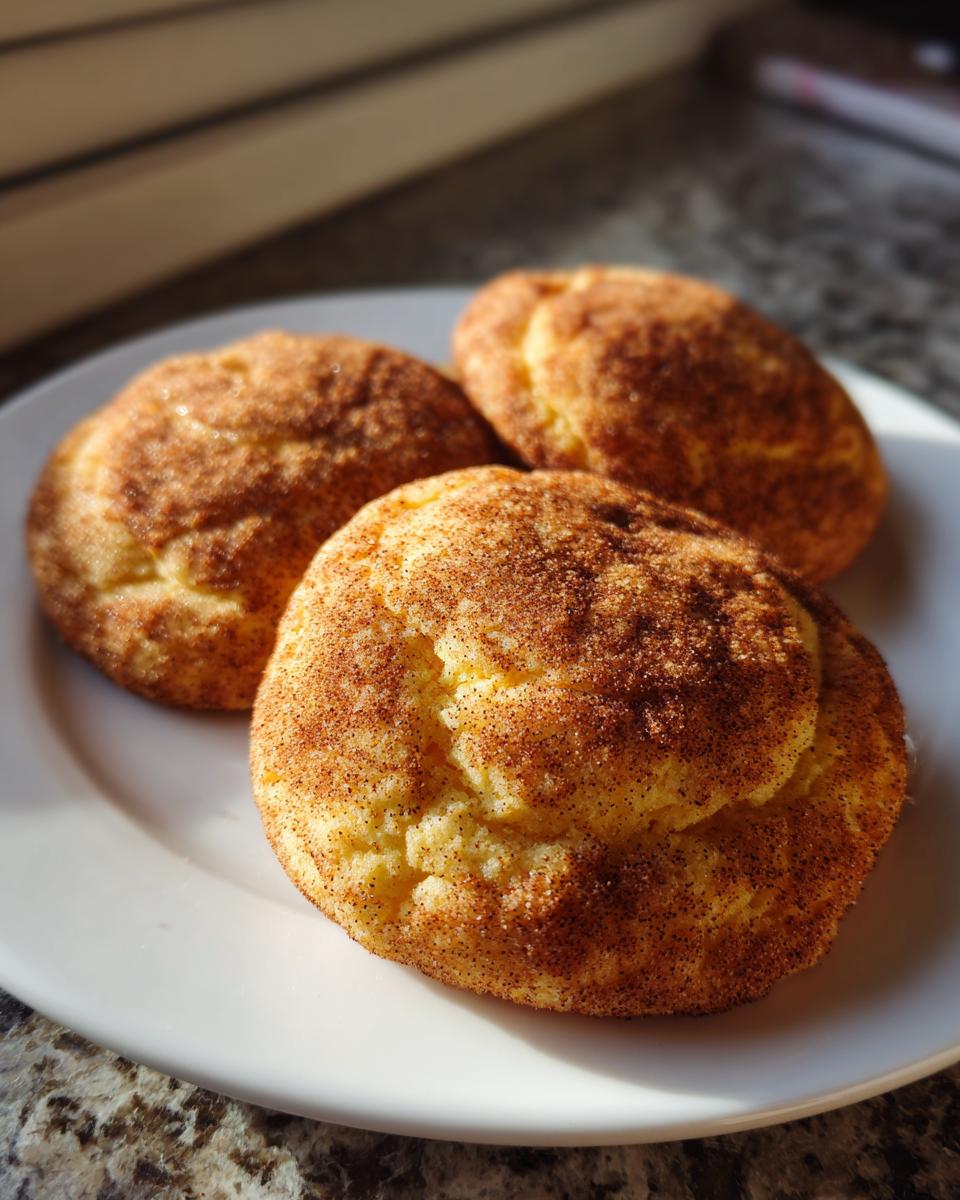
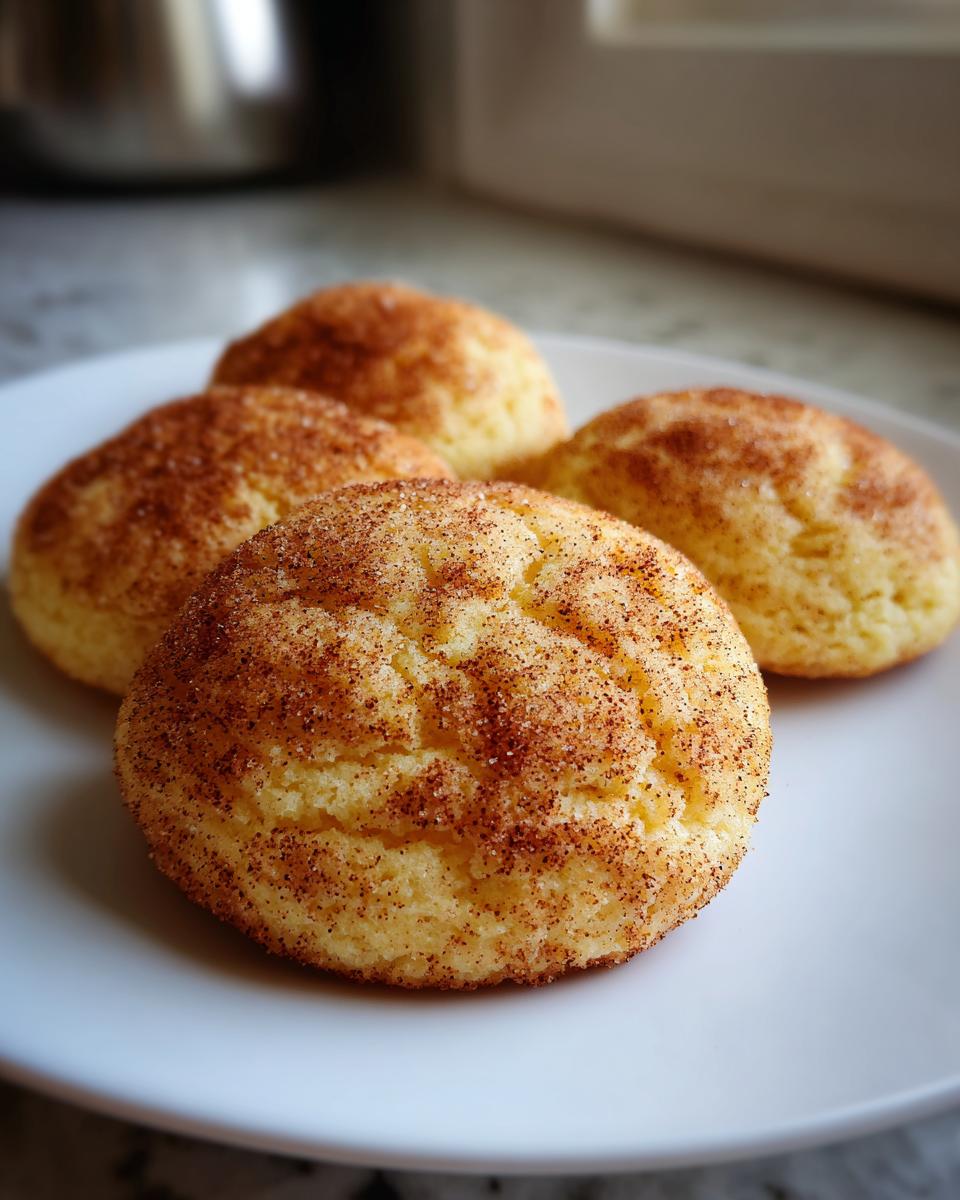
My favorite trick for truly iconic snickerdoodles is the double dip. After you roll the dough ball once, press it gently into the sugar mixture again. This thick layer melts slightly while baking, creating that gorgeous, slightly textured, crackly shell that screams nostalgia. It ensures that every single part of the cookie has that buttery cinnamon flavor, not just the top layer.
Baking Perfectly Baked Snickerdoodles
This final stage is where most people accidentally turn a spectacular cookie dough into just an okay cookie. We are aiming for Perfectly Baked Snickerdoodles here—the kind that have just set around the edges but still look a tiny bit puffy and soft right in the middle. That’s the magic indicator for chewiness!
Pop those trays in the 375°F oven, and keep a very close eye on them. Most recipes will tell you 10 minutes, but seriously, watch them from the 8-minute mark onward. You want them to turn a very light golden brown around the edges, but if the centers look firm or completely matte, you’ve waited too long. If they look slightly wet in the very center, that’s perfect! They will keep cooking once they come out.
When the timer goes off, don’t rush them! Leave the cookies right there on the hot baking sheet for a solid five minutes after they leave the oven. This resting time allows them to firm up gently without drying out. If you try to move them right away, they might break or flatten awkwardly. After that short rest, carefully transfer them to a wire rack to finish cooling completely. This stops the residual heat from making them too crisp.
If you are curious about other flavor profiles, sometimes adding rich brown butter can deepen the experience, like in that brown butter variation. But for this classic recipe, under-baking by 30 seconds is always better than over-baking by 30 seconds!
Tips for Making Nostalgic Holiday Baking Snickerdoodles
I love sharing what I’ve learned from watching Daisy work for years. When you’re gearing up for nostalgic holiday baking, a few little secrets can make these snickerdoodles go from good to absolute showstoppers. Remember what I mentioned about room temperature ingredients? Keep that butter soft, but not oily! If your kitchen is hot, chill your dough balls in the fridge for 15 minutes before coating them.
Also, let’s talk about that tang one more time—that cream of tartar is the difference between a plain sugar cookie and a true snickerdoodle. Don’t swap it out with extra baking powder; you’ll lose that signature zip!
If you want those gorgeous, deep crackles when they bake? Try this: after you roll the dough ball in the cinnamon-sugar coating, gently press down on the top with the bottom of a glass or a flat measuring cup before you put it on the sheet. You don’t want to flatten them completely, just give them a gentle nudge. Then watch the magic happen in the oven!
Storage & Reheating Instructions for Your Family Favorite Cookies
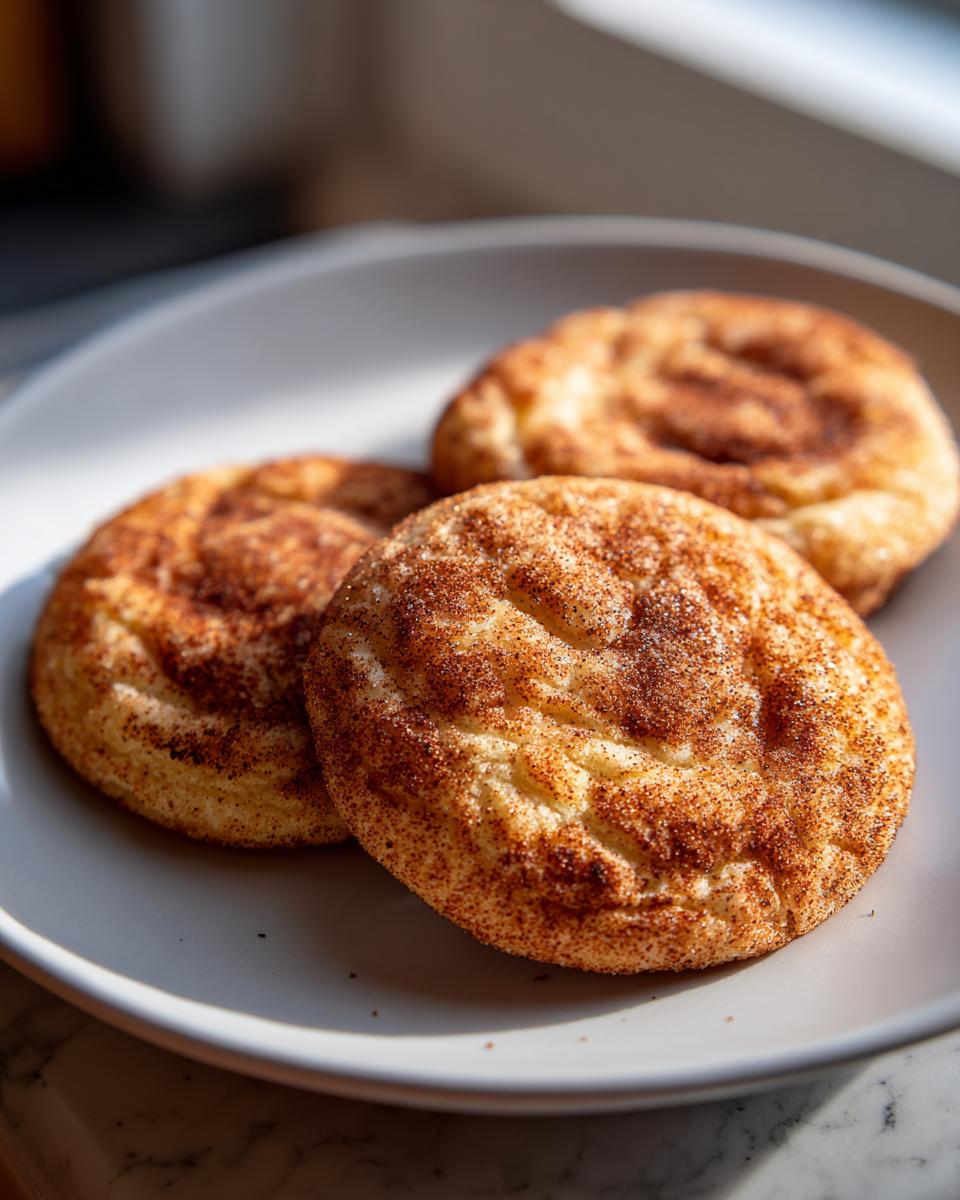
We certainly hope you don’t eat all these Family Favorite Cookies on the first day, but if you must save some for later, I have a few rules about storage. These are best when enjoyed within three days, maximum. After that, the texture starts to shift away from that dreamy chewiness we worked so hard to achieve.
The key is keeping the air out! You need a sturdy, airtight container for these—no loosely covered plates or flimsy plastic bags. Layer them between sheets of wax paper or parchment paper so they don’t stick together. If you stack them right away while they are fully cooled, they should keep their beautiful shape.
If you find they soften up too much the next day, that’s okay! We can bring them back. Don’t throw them out if they feel a little stiff a few days in. For a quick refresh, just take one or two cookies and microwave them for about 8 to 10 seconds. They get piping hot and unbelievably soft again!
If you want to warm up a whole batch for company, preheat your oven to a very low 300°F (150°C). Lay the cookies on a baking sheet and warm them for just about 3 or 4 minutes. This gently heats the butter back up without drying out that gorgeous cinnamon-sugar coating. Honestly, they smell just as good as when they first came out of the oven!
Common Questions About Making Traditional Cinnamon Cookies
I get so many questions in my inbox about these traditional cinnamon cookies once people try them! It’s wonderful to see so many of you baking them. Most of the major issues come down to one small ingredient or one second too long in the oven, so let’s clear up the most common things people ask me about achieving the perfect batch.
Can I use baking powder instead of cream of tartar?
Oh, I get this one all the time! If you are in a pinch and absolutely cannot find cream of tartar, you can substitute it directly—use 2 teaspoons of baking powder for the 2 teaspoons of cream of tartar required here. But, and I need you to hear me out on this, it won’t be the same recipe! The cream of tartar is acidic, and that acid is crucial because it creates that signature slight tang in the flavor profile. Baking powder is just a leavener, so you’ll end up with a cookie that tastes more like a standard, plain sugar cookie. It’s certainly doable if you must, but if you really want that authentic flavor, hunt down the tartar!
Why did my snickerdoodles spread too much?
This almost always comes down to temperature or fat content. If your butter was too warm or completely melted when you mixed it, the dough starts off oily, and there’s nothing to stop that spread once it hits the heat. Also, be careful not to use too much butter replacement if you’re trying substitutions! For the best look, make sure your dough chills for about 30 minutes if you notice the dough feels overly soft before you roll it. A slightly warmer dough spreads into flatter, thinner cookies rather than holding that lovely dome shape.
Can I chill the dough for Chewy Snickerdoodles?
Yes, you absolutely can! Sometimes I actually keep my dough balls sitting covered in the fridge for an hour or two before rolling them and baking them right away. Chilling the dough solidifies the fat again, which means they won’t spread as aggressively. Plus, a small chill time really deepens that buttery flavor. If you chill the dough, you might need to bump the baking time up by just one or two minutes, but always prioritize that soft center, remember?
What is the best way to get those crackly tops everyone loves?
The crackly top is pure visual joy on these easy homemade cookies! As I mentioned before, the double roll is key—roll it once to get a base coat, and then roll it again to build up a thick sugary crust. When the dough ball hits the heat, that thick coating melts and then cracks as the cookie expands beneath it. Also, using dark brown sugar primarily instead of white sugar can give a richer, cracklier edge, though we stick to mostly white sugar to keep these bright and classic. You can find some great examples of this technique over at this favorite recipe!
Estimated Nutritional Information for Snickerdoodles
I always feel a little guilty sharing these numbers because, honestly, I try not to look too closely when I’m baking something this comforting! These cookies are rich—they’re made with butter and sugar for a reason! But for everyone who keeps spreadsheets or needs to track things, I did my best to break down the numbers based on the recipe ingredients.
Keep in mind that this is just an estimate based on standard measures for about 3 dozen cookies. Your brands, how thickly you coat them, and even how big you scoop your dough balls will change these final numbers a bit. So, treat this as a helpful guide, not a medical fact sheet, please!
Here’s the general layout for one cookie:
- Serving Size: 1 cookie
- Calories: around 150
- Total Fat: roughly 8g (About 5g of that is saturated fat, thanks to our lovely butter!)
- Carbohydrates: about 19g
- Sugar: around 14g
- Protein: 2g
- Cholesterol: approximately 30mg
See? Not bad for such a wonderfully buttery and soft treat! They are meant to be enjoyed as a weekend indulgence or shared during nostalgic holiday baking, not eaten by the dozen every single day. Enjoy them for what they are: a perfect little taste of home!
Share Your Soft Cinnamon Sugar Cookies Experience
Alright, that’s everything you need to know to get those perfectly soft cinnamon sugar cookies out of your oven and onto your cooling rack! But honestly, my favorite part of sharing these recipes isn’t the instruction—it’s hearing from you all. When you bite into that first cookie, I want to know what you think!
Did you manage that chewy center? Did you double-dip in the cinnamon sugar like I suggested? Please, jump down to the comments section below and leave me a rating and a note. Telling me about your texture results really helps other bakers feel confident trying this Classic Snickerdoodle Recipe.
And seriously, if you snap a picture of your beautifully crackled, sugary batch—tag me online! Seeing these traditional treats being made in kitchens all over the country is what keeps Amelia connected to that warmth of Daisy’s kitchen every single day. I love seeing your successes and any little tweaks you might have made!
We handle all user data collected through comments and feedback with the utmost care, which you can review anytime on our Privacy Policy page. Happy baking, friends!
PrintThe Best Soft and Chewy Snickerdoodles

Make classic, buttery snickerdoodles that stay soft and chewy. This easy recipe features a double coating of cinnamon sugar for the best flavor.
- Prep Time: 15 min
- Cook Time: 10 min
- Total Time: 25 min
- Yield: About 3 dozen cookies 1x
- Category: Dessert
- Method: Baking
- Cuisine: American
- Diet: Vegetarian
Ingredients
- 2 3/4 cups all-purpose flour
- 2 teaspoons cream of tartar
- 1 teaspoon baking soda
- 1/2 teaspoon salt
- 1 cup unsalted butter, softened
- 1 1/2 cups granulated sugar, divided (1 cup for dough, 1/2 cup for coating)
- 2 large eggs
- 2 teaspoons vanilla extract
- 3 tablespoons ground cinnamon (for coating)
Instructions
- Preheat your oven to 375°F (190°C). Line baking sheets with parchment paper.
- In a medium bowl, whisk together the flour, cream of tartar, baking soda, and salt. Set aside.
- In a large bowl, beat the softened butter and 1 cup of the granulated sugar with an electric mixer until light and fluffy.
- Beat in the eggs one at a time, then mix in the vanilla extract.
- Gradually add the dry ingredients to the wet ingredients, mixing on low speed until just combined. Do not overmix.
- In a shallow dish, combine the remaining 1/2 cup of granulated sugar and the 3 tablespoons of cinnamon. This is your cinnamon-sugar coating.
- Scoop the dough into balls, about 1.5 tablespoons each. Roll each ball thoroughly in the cinnamon-sugar mixture until fully coated. For extra coating, roll them a second time.
- Place the coated dough balls about 2 inches apart on the prepared baking sheets.
- Bake for 8 to 10 minutes. The edges should be set, but the centers should still look slightly soft. Do not overbake to keep them chewy.
- Let the cookies cool on the baking sheets for 5 minutes before transferring them to a wire rack to cool completely.
Notes
- For the softest cookies, use room temperature eggs and butter.
- The cream of tartar is essential; it gives snickerdoodles their signature slight tang.
- If you want extra crackly tops, gently press down on the dough balls slightly before baking.
- These are best eaten within three days for maximum chewiness.
Nutrition
- Serving Size: 1 cookie
- Calories: 150
- Sugar: 14g
- Sodium: 95mg
- Fat: 8g
- Saturated Fat: 5g
- Unsaturated Fat: 3g
- Trans Fat: 0g
- Carbohydrates: 19g
- Fiber: 0g
- Protein: 2g
- Cholesterol: 30mg