

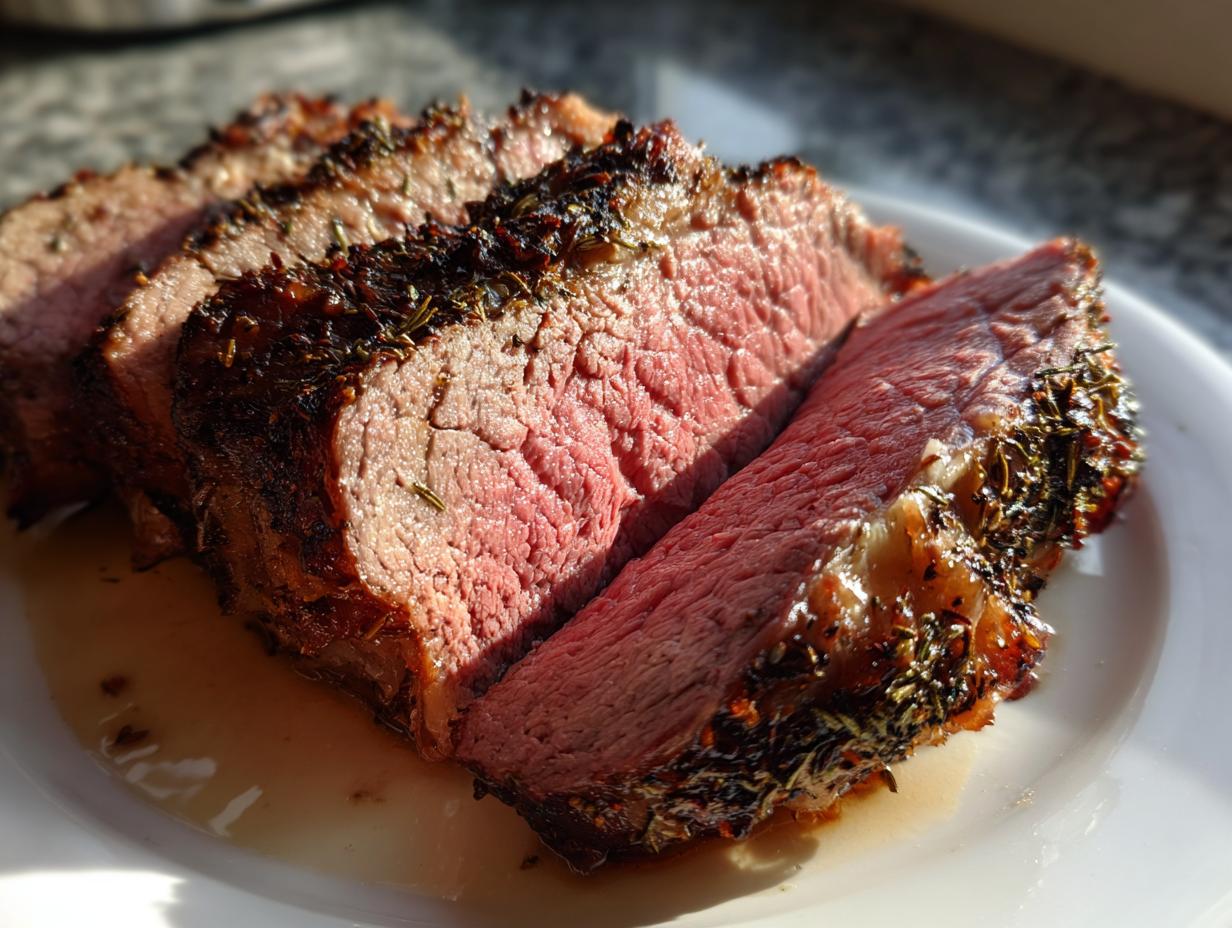
When the holidays roll around, the star of the show absolutely has to be show-stopping, and nothing says ‘celebration’ like a magnificent roast sitting proudly on the table. Forget those dry, sad roasts of the past! I’m sharing the recipe I trust completely—the one that guarantees the most tender and juicy Prime Rib Roast you’ve ever cut into. It uses a foolproof oven method that I learned from my family’s kitchen journals. My grandma, Daisy, always made sure her food gathered everyone close, and this specific method for cooking a large **rib roast** has been tested and perfected over decades. Trust me, this simple technique turns a potentially intimidating cut of meat into an absolute masterpiece for your special occasion dinner.
- Why This Herb-Crusted Rib Roast is Your New Holiday Favorite
- Ingredients for the Ultimate Rib Roast
- Equipment Needed for Your Rib Roast
- How to Prepare Your Rib Roast: Step-by-Step Instructions
- Tips for the Best Standing Rib Roast Success
- Making a Simple Roast Gravy Recipe from Pan Drippings
- Serving Suggestions for Your Rib Roast Centerpiece
- Storage and Reheating Instructions for Leftover Rib Roast
- Frequently Asked Questions About Cooking a Rib Roast
- Share Your Rib Roast Experience
Why This Herb-Crusted Rib Roast is Your New Holiday Favorite
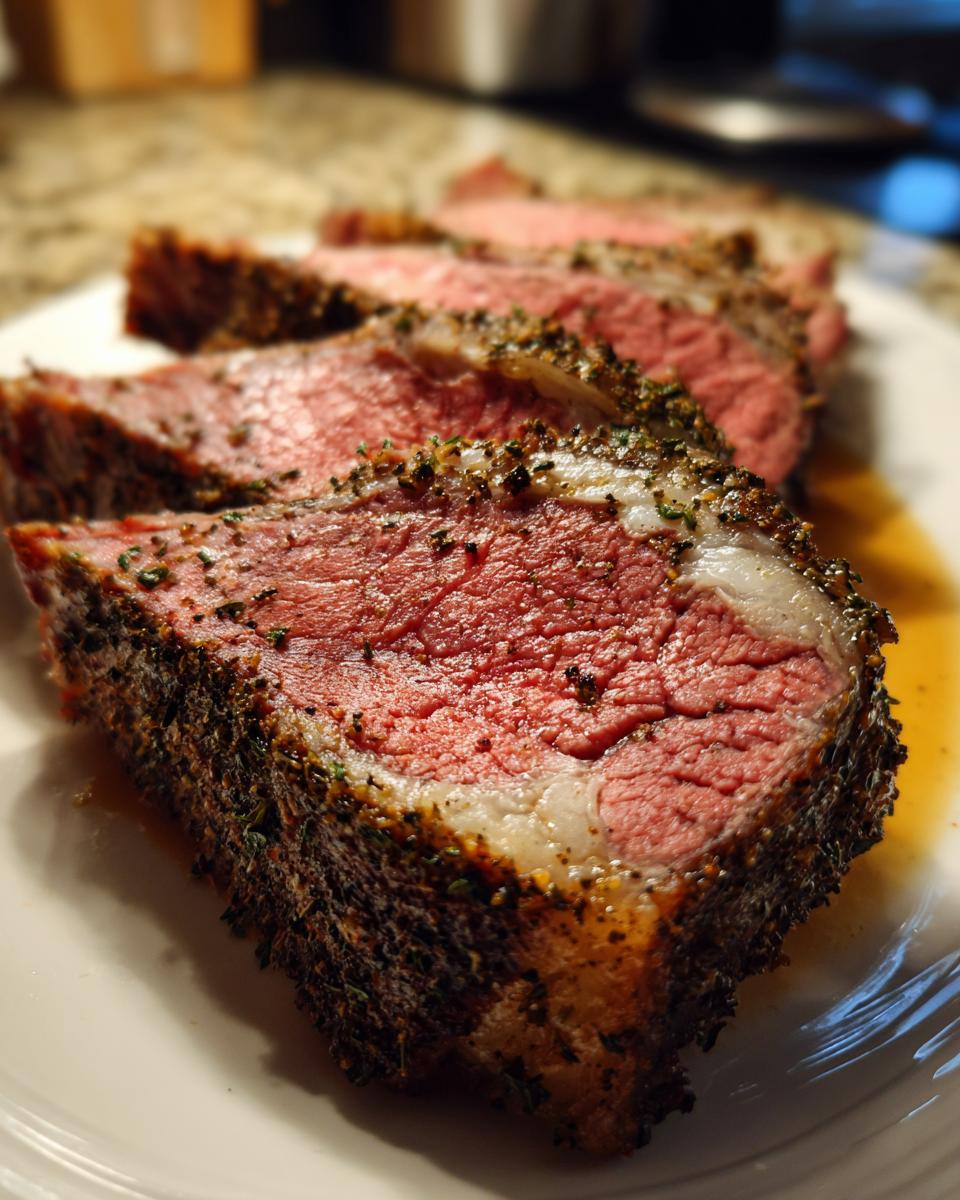
When you serve this specific standing rib roast, you aren’t just serving beef; you’re serving certainty! It’s the easiest way I know to produce a centerpiece that looks like it took three days to prepare. Why do I love it so much? Because it always delivers that melt-in-your-mouth texture.
- It’s remarkably tender and juicy all the way through.
- That fragrant herb crust adds an incredible layer of savory flavor.
- The technique is so reliable, you can cook it stress-free while juggling other sides! Don’t forget to check out my recipe for the perfect sweet potato casserole right here.
Achieving a Perfectly Cooked Rib Roast Every Time
The magic is in the dual-temperature blast. We start super hot at 500 degrees—that’s our sear! This locks in flavor and creates that gorgeous browned exterior. Then, we step back and drop the temperature way down to 325 degrees. This prevents dry edges and cooks the center gently. It’s truly the simplest, most foolproof technique for a tender beef roast.
Ingredients for the Ultimate Rib Roast
Okay, grabbing the right ingredients for your centerpiece is half the battle won, honestly. Don’t skimp here; this gorgeous cut deserves the best! I listed everything you need right below, but pay close attention to the meat itself. For the best result, you really want that beautiful bone-in cut. It keeps everything insulated and so juicy when cooking a **rib roast**! This list is precise, so grab these things and let’s get mixing.
The Flavorful Herb Rub Components
This rub is what makes the crust on this **Prime Rib Roast Recipe** so memorable. It’s super fragrant and simple. I always tell people to use coarse kosher salt; the size of the flakes really makes a textural difference when it hits that hot oven for the sear!
- One (5-7 lb) bone-in **rib roast** (officially known as a **standing rib roast**)
- 3 tablespoons coarse kosher salt – please don’t use table salt here!
- 2 tablespoons black pepper, freshly cracked if you can swing it
- 1 tablespoon dried thyme
- 1 tablespoon dried rosemary
- 6 cloves garlic, minced super fine—I mean tiny!
- 1/4 cup olive oil, the standard kind works just fine
- 1 tablespoon Dijon mustard (this helps everything stick wonderfully)
Equipment Needed for Your Rib Roast
You don’t need a million gadgets for this, thank goodness. But there are two tools, and I mean two, that you absolutely cannot skip if you want a perfectly cooked **rib roast**. Seriously, if you only buy one thing for this recipe, make it a reliable meat thermometer!
First, you must have a sturdy roasting pan that has a V-rack insert. The rack is key because it lifts the meat up out of those delicious drippings. We want dry air circulation all around the beef, not soggy bottom exposure! You can check out a great method for stress-free cooking over on Jillee’s site for some extra tips on making that prime rib roast fantastic.
Second, and this is non-negotiable for getting that **Perfect Roast Temperature**: a digital, instant-read meat thermometer. Guessing is for cookies, not for a huge centerpiece like this. This little tool is what guarantees your **tender beef roast** stays juicy and never overcooks!
How to Prepare Your Rib Roast: Step-by-Step Instructions
Alright, deep breath! This is where we turn that beautiful cut of meat into dinner magic. First thing, and this is crucial for even cooking, your **bone-in rib roast** needs to temper. Take it out of the fridge for a solid 2 to 3 hours before you even think about turning on the oven. Pat it DRY with paper towels—moisture is the enemy of a good sear, so wipe it down until it feels like suede!
Next, mix up that aromatic herb rub we talked about, make sure you cover every single inch of that roast, pressing it in nice and firm. Then, slide it onto the rack in your pan. We are using my favorite stress-free technique here, which is the high-heat blast followed by a slow, steady roast. You want to make your own skillet Naan while waiting? My recipe is just over here when you need a break!
Searing and Roasting the Rib Roast
Preheat your oven to a whopping 500 degrees Fahrenheit. Put the seasoned roast in and let it sear for exactly 15 minutes. That’s your crust development time! As soon as that timer buzzes, turn the oven down to 325 degrees, and whatever you do, don’t open the door to check on it yet. Keep roasting until your thermometer reads 125 to 130 degrees Fahrenheit for that perfect medium-rare, ensuring you get that super **juicy oven roast beef**.
The Crucial Resting Period for a Tender Beef Roast
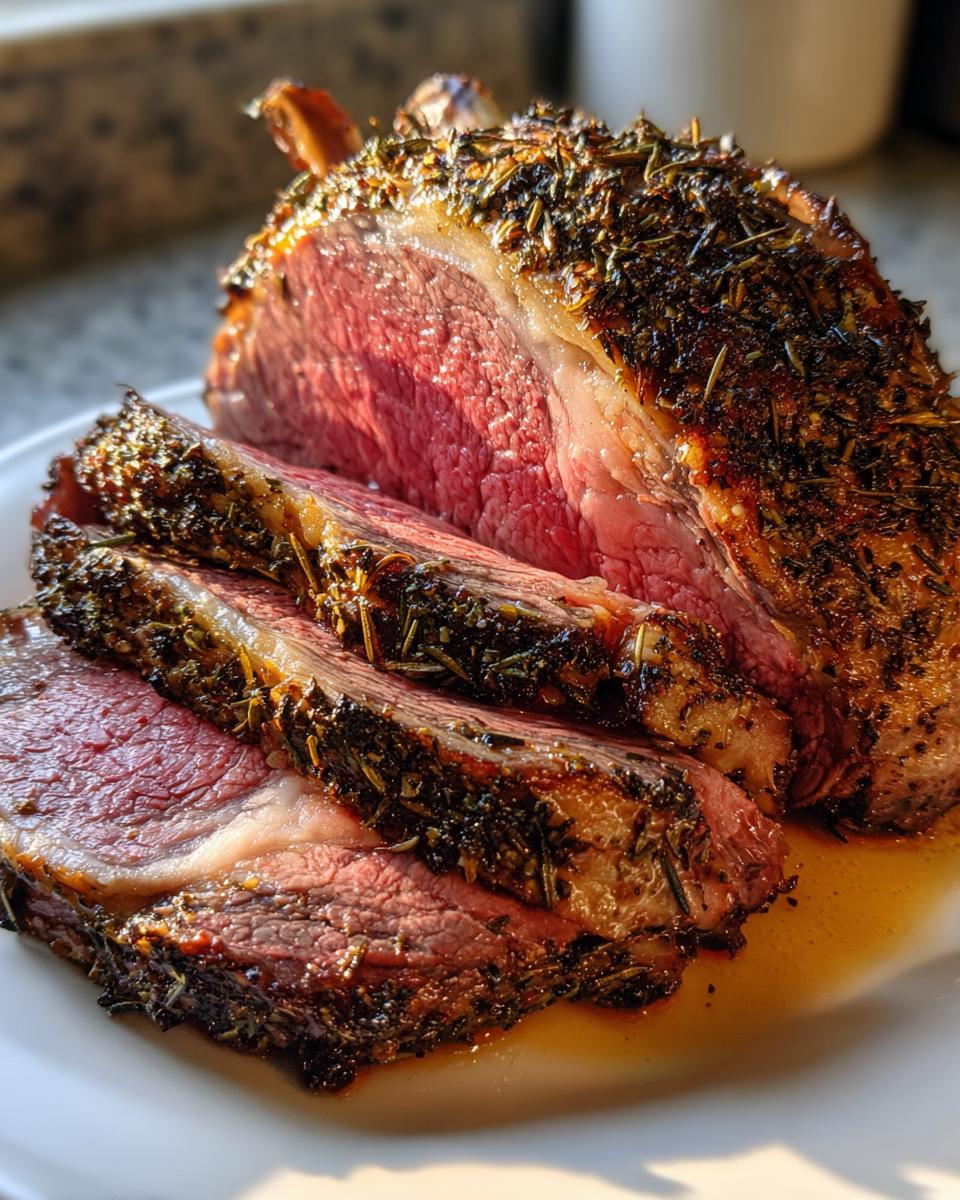
Once it hits that temperature zone, pull that gorgeous **rib roast** out immediately. If you carve it now, all those beautiful juices will weep right onto your cutting board—and we definitely don’t want that! Cover it very loosely with foil and leave it alone for at least 20 minutes. I know it’s painful, but trust the process! During this rest, the internal temp climbs another 5 to 10 degrees, which finishes the cooking gently. This carryover is what gives you that unbelievably **melt in your mouth roast**. If you want even more assurance on timing, check out how the folks at A Fork’s Tale approach cooking a standing rib roast!
Tips for the Best Standing Rib Roast Success
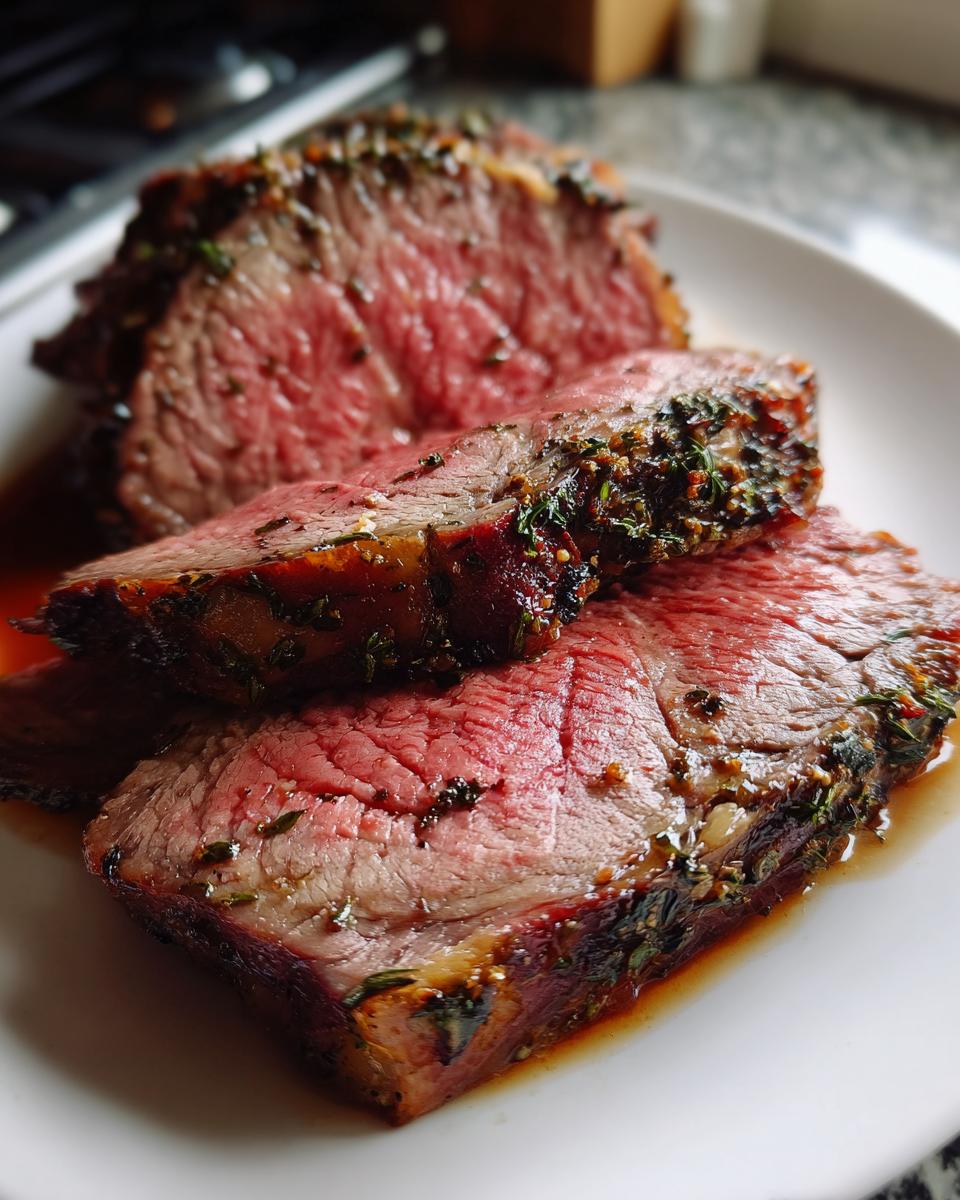
Even with a foolproof method, sometimes your roast needs a little convincing to behave perfectly! If you notice your **rib roast** is shaped a bit lumpier than a textbook example, don’t stress. I always keep balled-up foil pieces in my drawer specifically for this roast. You tuck a small piece right under the thin end on the rack to help level it out. This prevents one side from cooking way faster than the other, which is key!
Another thing I learned watching Daisy is that the bones are your friends! They actually insulate that meat closest to them, keeping it incredibly juicy. When you’re carving later, you’ll see that meat right next to the bone is usually the most perfectly cooked spot. If you’re totally intimidated by the high-heat sear, you can absolutely skip it. You can go low and slow the entire time at 325 degrees; it just takes longer, so plan ahead! If you need a lovely side sauce after carving that **tender beef roast**, try my creamy garlic sauce, which is amazing on leftover beef.
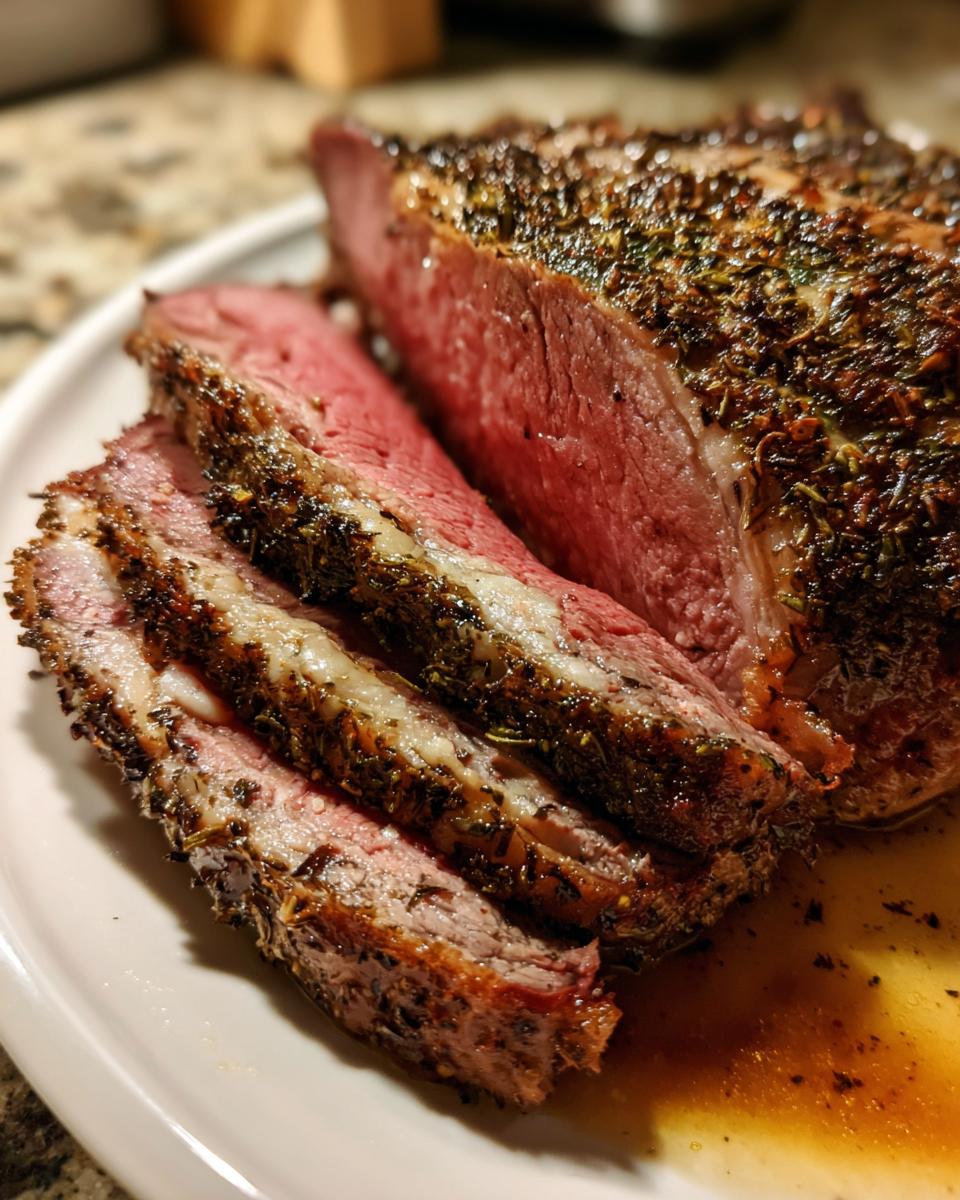
For a different take on timing, some folks swear by methods that involve roasting the whole time at just 250 degrees, like the approach detailed on Pure Savory’s site; it’s all about finding *your* perfect rhythm for that **standing rib roast**!
Making a Simple Roast Gravy Recipe from Pan Drippings
Phew! You’ve carved the **rib roast**, the aroma is heavenly, and now you have these precious browned bits left in the roasting pan—we absolutely cannot waste those! That is liquid gold, my friends. Making a quick **roast gravy recipe**, or honestly, just a simple *au jus*, is so much easier than you think when you have those flavorful drippings. Don’t reach for the packet mix; this homemade gravy tastes so much richer and feels much more appropriate for such a **special occasion beef**.
Here’s the super fast trick: After you pull the roast out, pour off most of the fat, leaving just a tablespoon or two behind with all those tasty brown bits stuck to the bottom. Heat that pan right on the stove over medium heat. Whisk in about two tablespoons of flour and let it cook for a minute until it smells a little nutty—that’s your roux! Then, slowly whisk in about two cups of beef broth. Scrape up every single stuck bit from the bottom of the pan as it simmers. Let it bubble away until it thickens slightly, then strain it if you want it perfectly smooth. That’s it! A gorgeous, flavorful sauce ready in five minutes flat.
Serving Suggestions for Your Rib Roast Centerpiece
Now that you’ve mastered that perfectly cooked **rib roast**, the meal isn’t complete until the side dishes are worthy of the main event! Since this is often your big **Christmas Dinner Main**, you want things that complement that rich beef flavor without being too heavy. You really need creamy starches to soak up those precious pan drippings.
I insist you pair this with my ultimate loaded mashed potato casserole—it’s pure comfort food heaven! You can find that recipe right here. And if you like a little sweetness on the side to cut through the richness, my recipe for fluffy sweet potato biscuits is always a winner. We usually save those biscuits for special days, too. Check out the recipe for sweet potato biscuits! Having something green, like simple roasted asparagus, always helps balance out all that decadent beef!
Storage and Reheating Instructions for Leftover Rib Roast
If you manage to have any of this incredible **rib roast** left over—which, let’s be honest, takes some serious willpower—you need to treat it right! Always slice it first before storing. Don’t try to reheat that giant chunk all at once, or you’ll just end up with dry edges and a cold middle!
I wrap individual slices tightly in plastic wrap, then put them into an airtight container in the fridge. They keep wonderfully for about four days. When you want to enjoy it again, heat small portions gently in a skillet with a splash of broth, or wrap them in foil and warm them low in the oven. Keep that gorgeous texture!
Frequently Asked Questions About Cooking a Rib Roast
I know when I first tackled a huge **rib roast**, my head was spinning with questions! It feels like such a big deal, and you want it to be perfect, right? I’ve gathered the most common things people ask me about this **standing rib roast** when they are planning their big meal. Don’t worry about messing it up; my family tests these things until they are totally foolproof!
Can I make this Prime Rib Roast Recipe boneless?
Oh, yes, you absolutely can! A boneless **ribeye roast recipe** is just as delicious, but you have to remember that the bones act like little insulators keeping the meat cozy and even. Without them, a boneless roast will typically cook faster. I usually cut the total cooking time down by about 15 to 20 minutes per pound when I go boneless, but you *must* rely on that meat thermometer to check for that **perfectly cooked roast**.
What is the ‘500 Rule’ for How to Cook Rib Roast?
The ‘500 Rule’ is just my nickname for this exact recipe! It means you start the oven at a blazing 500 degrees for 15 minutes to give the outside that beautiful dark, flavorful crust—that’s the sear! After that quick blast, we immediately drop the heat down to 325 degrees for the long, slow cook. If you skip that sear, you can cook the entire pot roast at 325 degrees the whole time, but you won’t get that nice, crusty exterior that really makes this **herb crusted roast recipe** special.
How do I know my Perfectly Cooked Roast is done?
Listen, I know the toothpick test works great for cakes, but when you’re dealing with an expensive, beautiful cut of beef like this **Prime Rib Roast Recipe**, you just can’t guess! The only way to guarantee a **tender beef roast** that hits medium-rare perfectly is by using a good quality, instant-read meat thermometer. Stick it in the thickest part of the roast, away from the bone, and pull it right when it hits 125 to 130 degrees. That’s your insurance policy for a **juicy oven roast beef**!
If you have any other burning questions about the process, you can always check out our general helpful tidbits on our site usage terms!
Share Your Rib Roast Experience
Seriously, that’s it! We’ve walked through the tempering, the searing, and the all-important resting time for your magnificent **Prime Rib Roast Recipe**. I am just so excited for you to try this method and bring this incredible **standing rib roast** to your table. It truly changes the game when it comes to special occasion meat!
Now, I want to hear from you! Did you use the herb rub? Did it stay juicy? Did your family fight over the end pieces (because mine always does!)? Please jump down to the comments right below and let me know how it went. If you loved this **rib roast** as much as we do, please give the recipe a star rating—it really helps other home cooks feel confident giving it a try. Seeing your pictures of this gorgeous centerpiece makes my whole week!
PrintThe Ultimate Tender & Juicy Prime Rib Roast: Foolproof Herb-Crusted Oven Method
Follow this straightforward oven method to cook a standing rib roast that is tender, juicy, and features a flavorful herb crust, making it the perfect centerpiece for your special occasion dinner.
- Prep Time: 20 min
- Cook Time: 1 hr 30 min
- Total Time: 2 hr 00 min
- Yield: 6 servings 1x
- Category: Main Course
- Method: Oven Roasting
- Cuisine: American
- Diet: Low Fat
Ingredients
- 1 (5-7 lb) bone-in rib roast (standing rib roast)
- 3 tablespoons coarse kosher salt
- 2 tablespoons black pepper
- 1 tablespoon dried thyme
- 1 tablespoon dried rosemary
- 6 cloves garlic, minced
- 1/4 cup olive oil
- 1 tablespoon Dijon mustard
Instructions
- Remove the rib roast from the refrigerator 2 to 3 hours before cooking to allow it to come closer to room temperature. Pat the roast completely dry with paper towels.
- Preheat your oven to 500 degrees Fahrenheit.
- In a small bowl, combine the minced garlic, Dijon mustard, olive oil, kosher salt, black pepper, thyme, and rosemary to create the herb rub.
- Rub the herb mixture evenly over the entire surface of the standing rib roast, pressing it gently into the meat.
- Place the roast, fat side up, in a roasting pan fitted with a rack. If the roast is uneven, you can tuck small pieces of foil under the thinner sections to level it.
- Place the roast in the preheated 500 degree oven and cook for 15 minutes. This high heat sears the exterior.
- After 15 minutes, reduce the oven temperature to 325 degrees Fahrenheit without opening the oven door.
- Continue roasting until the internal temperature reaches your desired doneness. Use a meat thermometer inserted into the thickest part of the roast, avoiding the bone. For medium-rare, aim for 125-130 degrees Fahrenheit.
- For a 6-pound roast, this second stage usually takes about 1 to 1.5 hours total cooking time after the initial sear.
- Once the target temperature is reached, immediately remove the roast from the oven.
- Tent the roast loosely with aluminum foil and let it rest for at least 20 minutes before carving. The internal temperature will rise another 5 to 10 degrees during resting.
- Carve the rib roast between the bones and serve immediately with pan drippings or gravy.
Notes
- For a bone-in rib roast, the bones act as insulation, helping the meat cook more evenly.
- If you prefer a lower temperature cook, you can skip the 500 degree sear and cook the entire time at 325 degrees Fahrenheit, adjusting the total cook time accordingly.
- Use the drippings in the roasting pan to make a simple pan gravy or au jus.
Nutrition
- Serving Size: 6 oz cooked meat
- Calories: 450
- Sugar: 0
- Sodium: 750
- Fat: 30
- Saturated Fat: 12
- Unsaturated Fat: 18
- Trans Fat: 0
- Carbohydrates: 0
- Fiber: 0
- Protein: 40
- Cholesterol: 150