

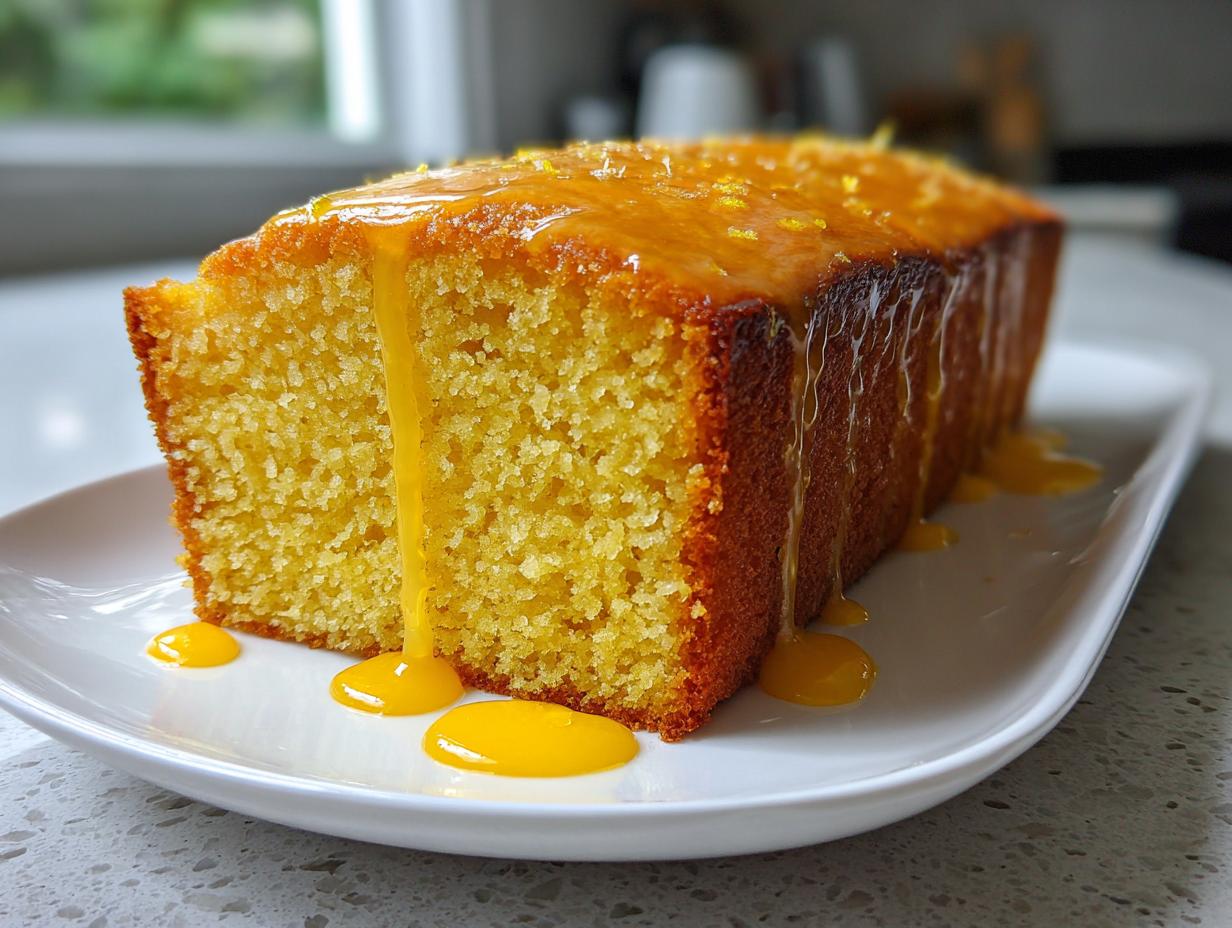
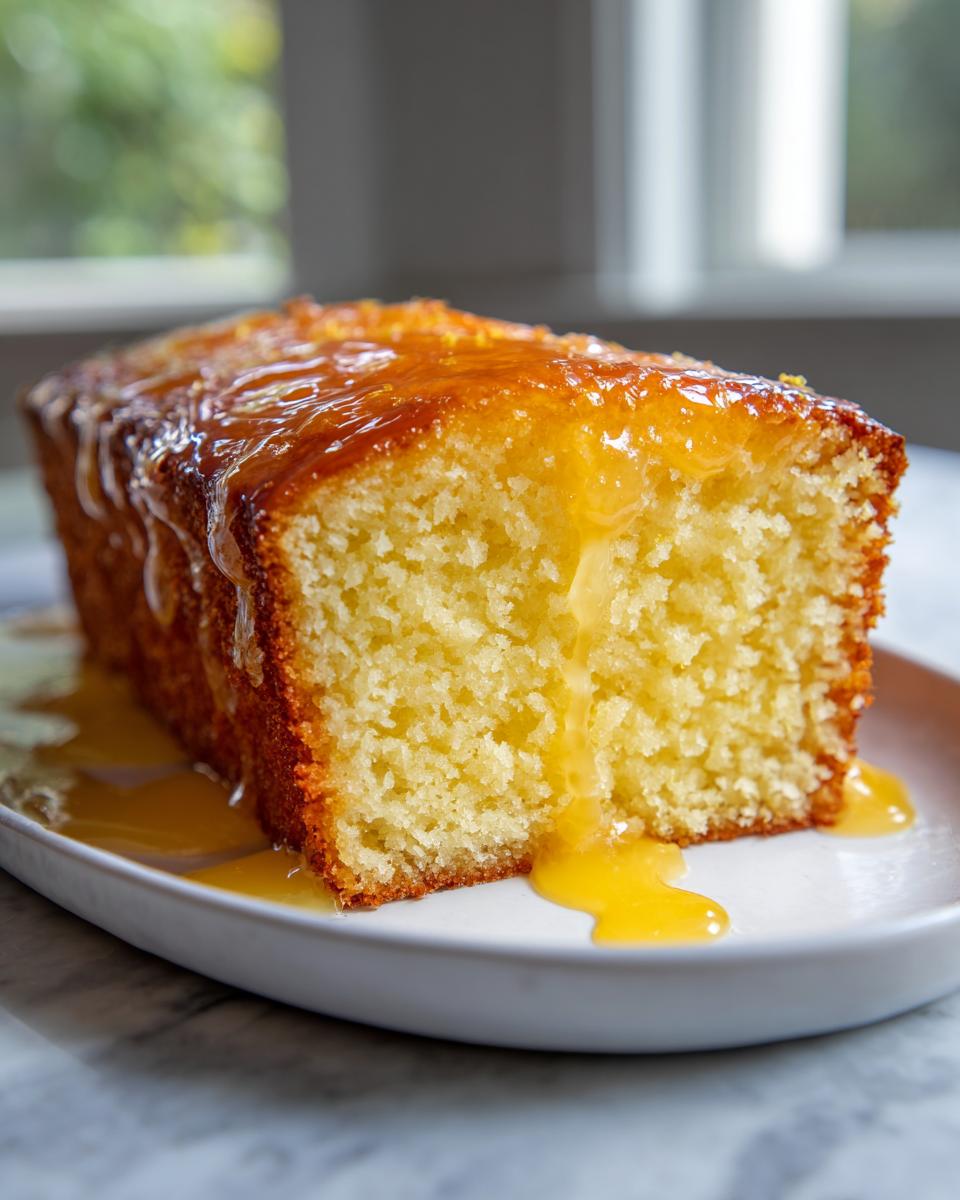
There’s just something about biting into a slice of sunshine, isn’t there? That bright, happy flavor that whisks you right back to simpler times. For me, that flavor lives in my orange juice cake. This isn’t just any cake; trust me when I say this is the recipe you’ll want to save for every summer gathering and weekend breakfast. My grandmother Daisy taught me that true flavor comes from simplicity, and we honor that with this version. We focus on using actual, freshly squeezed orange juice and a soaking glaze to guarantee an ultra moist texture that store-bought cakes could only dream about. It’s baking rooted in love, just how Daisy taught me.
- Why This Ultra Moist Orange Juice Cake Stands Out
- Gathering Ingredients for Your Orange Juice Cake Recipe
- Step-by-Step Instructions for the Easy Citrus Cake
- Tips for the Best Homemade Orange Cake Success
- Variations for Your Zesty Orange Loaf Cake
- Serving Suggestions for This Orange Breakfast Cake
- Storage and Reheating Instructions for Orange Juice Cake
- Frequently Asked Questions About Making Orange Cake
- Understanding the Nutrition of This Simple Orange Pound Cake Recipe
Why This Ultra Moist Orange Juice Cake Stands Out
Okay, I know there are a million recipes out there floating around, but hear me out—this orange juice cake is different. I spent years perfecting this to make sure it tasted exactly like the cakes I grew up eating at Grandma Daisy’s. She taught me that the best ones are the ones you don’t have to fuss over too much, but they still taste like a million bucks. That’s exactly what this recipe delivers, and I promise it’ll become your go-to easy citrus cake.
Here’s why this recipe earns its spot in your recipe box. If you’re looking for that perfect texture and vibrant flavor, this is the one. Check out what makes this recipe so special compared to the rest. It’s all about the details I learned watching Daisy work her magic.
- The Secret Moisture Lock: We aren’t just slapping frosting on top. By poking holes in the cake while it’s still warm and pouring that sweet, bright glaze right in, we force liquid down into the crumb. That results in a moist orange cake that stays fresh for days—if you can keep it around that long!
- Sunshine Flavor, Guaranteed: You must use fresh orange zest and juice here. I cannot stress this enough. That bottled stuff just doesn’t have the bright, natural oils that give you a true, vibrant citrus punch. This is the real deal; it tastes like summer in every bite.
- Effortless Elegance: This whole process, from creaming the butter to drizzling the glaze, is surprisingly fast. It’s an incredibly simple dessert; you can mix the batter up in minutes. It looks fancy because of that beautiful glaze, but it’s secretly super simple. You can grab the main baking details over at all my favorite dessert recipes.
- Perfectly Versatile: Whether you need a showstopper for a weekend brunch, a light end to a dinner party, or just something lovely to eat with your morning coffee, this cake fits the bill. It’s comforting yet bright, which is a tricky balance to strike!
Gathering Ingredients for Your Orange Juice Cake Recipe
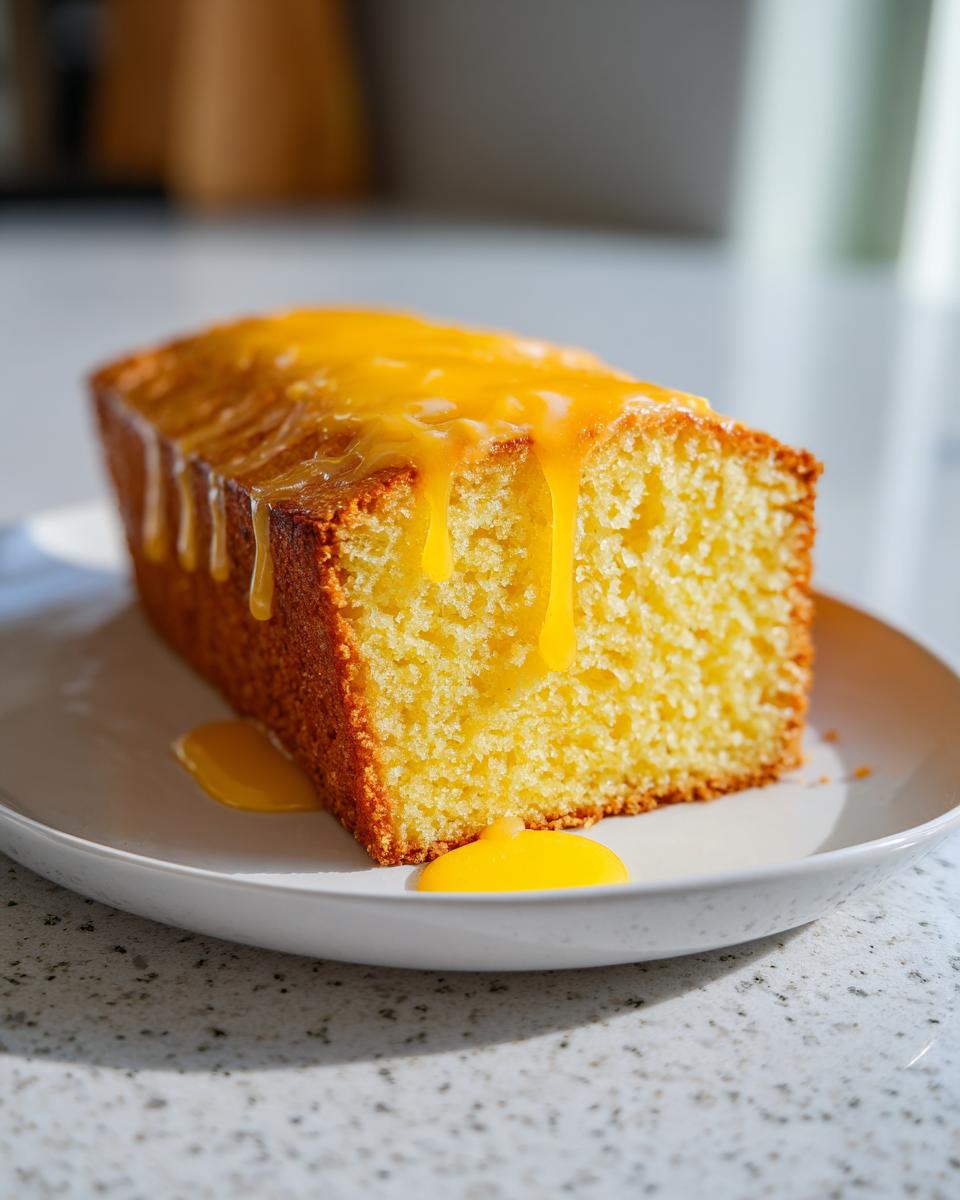
Before we dive into the mixing bowl magic, we need our line-up of ingredients ready to go. Finding the right components is half the battle, especially for an **orange juice cake** where the citrus flavor really has to shine through. I learned from Daisy that you absolutely cannot skimp on freshness here. That means we are using true, freshly-squeezed orange juice and zesting right off the peel. That zest holds all the potent oils and bright flavor we need to make this truly sing!
We want this cake to be tender, bright, and packed with that sweet aroma you get when you first slice into a fresh orange. Please make sure your butter is properly softened—not melted, just soft enough that you can easily press a finger into it. That little bit of prep work pays off huge when we start creaming later on. This setup is simple, but it’s the key to unlocking that incredible moisture. If you’re planning this for a weekend morning treat, you can check out some of my favorite healthy breakfast ideas for pairing inspiration!
Here is exactly what you need to have on hand for the cake itself:
- 1 3/4 cups all-purpose flour
- 1 1/2 teaspoons baking powder
- 1/2 teaspoon salt
- 1 cup granulated sugar
- 1/2 cup (1 stick) unsalted butter, softened
- 2 large eggs
- 1/2 cup fresh orange juice (this MUST be fresh!)
- 1 teaspoon vanilla extract
- 1 tablespoon fresh orange zest (from about two oranges)
For the Bright Citrus Glaze Cake Topping
This glaze is designed to soak right into the warm cake—that’s the secret to keeping this an incredibly moist orange cake. We want this mix to be thin enough to drizzle easily, so don’t be afraid to add juice drop by drop until you reach a nice, pourable consistency. It should look like thick syrup, not paste!
- 1/2 cup powdered sugar
- 1 tablespoon fresh orange juice
Step-by-Step Instructions for the Easy Citrus Cake
We’re finally at the fun part—making the magic happen! Follow these steps exactly, and I promise you’ll end up with the best orange cake for brunch you’ve ever tasted. The key to keeping this an ultra-moist **orange juice cake** is patience in the mixing stage. We want to build structure, not tough gluten strands! Remember to preheat that oven to 350°F (175°C) right now and get your 9-inch round pan greased and floured so it’s ready to go. After this cake bakes, you might want quick ideas for dinner since you’ll have cake leftover! Check out some of my simple healthy lunch ideas for later.
Once the batter is mixed, it bakes quickly, usually about 30 to 35 minutes. Don’t walk away! The most crucial timing comes *after* it’s baked: we let it cool in the pan for exactly 10 minutes before we start poking it and pouring on that flavorful glaze. Stick with the timing; it makes all the difference!
Preparing the Dry and Wet Components
First up, we handle the dry stuff. Just whisk the flour, baking powder, and salt together in a medium bowl until they are happy and uniform. Set that aside because now we focus on developing flavor in the wet ingredients. In your large mixing bowl, cream that softened butter and the granulated sugar together. You’re looking for it to look pale and fluffy—this takes a few good minutes, but you’re creating air pockets that keep the cake light! Beat in your eggs one by one, making sure each is fully incorporated before adding the next. Don’t forget to mix in that flavorful orange zest and the vanilla here too.
Mixing the Orange Juice Cake Batter Correctly
This is where so many people go wrong, thinking they need to mix for ages for a perfect **orange juice cake**. Nope! We need to alternate the dry ingredients with that lovely half-cup of fresh orange juice. You start and end with the dry mixture. So, picture this: a third of the dry ingredients, mix just until it disappears. Then half of the orange juice, mix gently. Then another third of the dry, mix gently. Then the rest of the juice, mix gently. Finally, the last bit of dry ingredients, and you mix *only* until you see no streaks of flour left. Stop immediately! Overmixing makes this easy citrus cake tough, and we want tender!
Baking and Applying the Citrus Drizzle Cake Soak
Pour that perfected batter into your prepared pan and slide it into the 350°F oven. Bake for 30 to 35 minutes. You know it’s done when a toothpick inserted in the center comes out clean, or with just a few moist crumbs clinging to it. While that’s happening, quickly whisk together your glaze ingredients until smooth. When the cake comes out, let it sit on the counter for 10 minutes. Then, take a skewer and poke holes all over the top—generously! Slowly and evenly, pour that sweet citrus drizzle right over the warm cake. It will soak right in and create that incredibly moist orange cake texture we are famous for. Let it cool completely before turning it out.
Tips for the Best Homemade Orange Cake Success
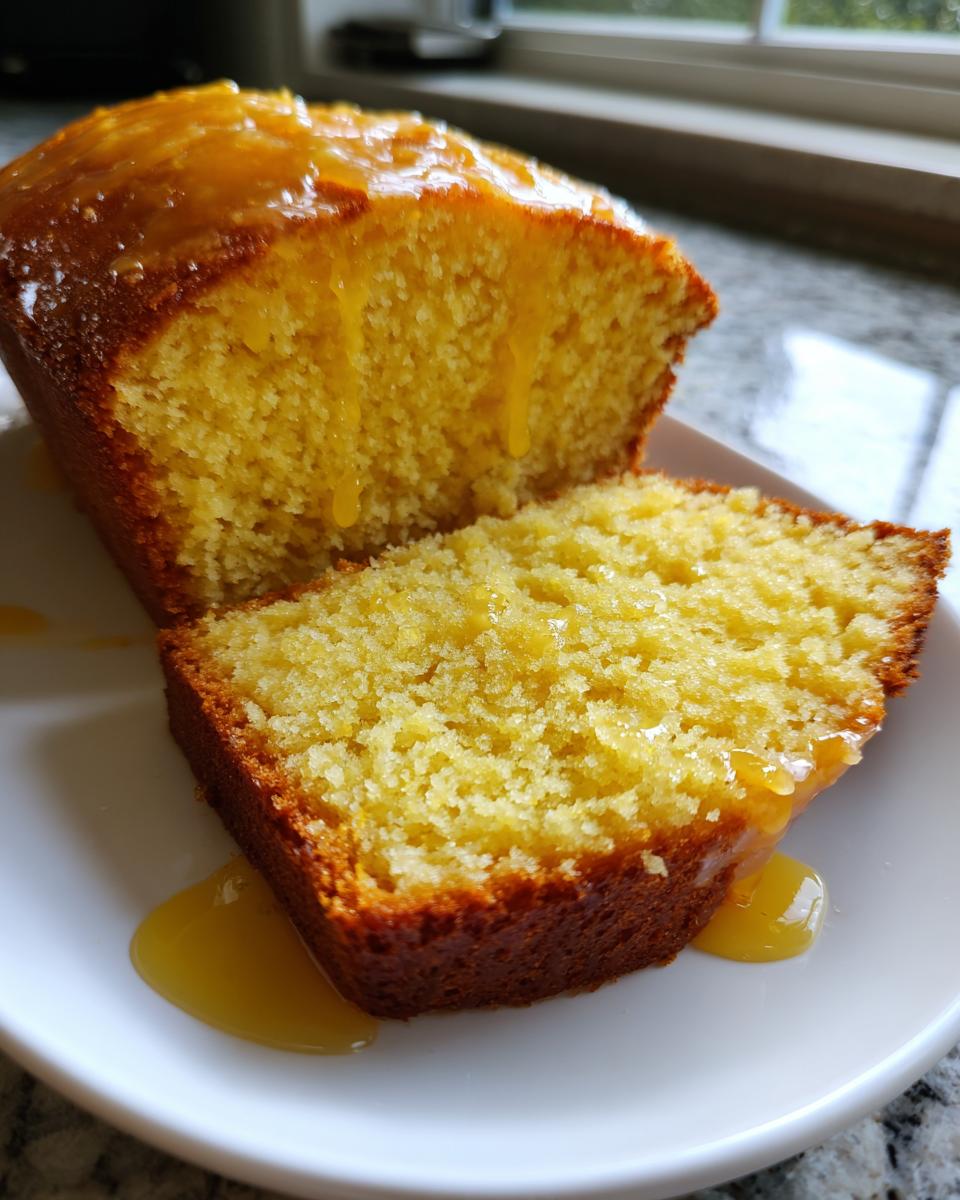
Grandma Daisy always said that baking is about making friends with your ingredients. If you treat them right, they give you back something wonderful. For this orange juice cake, treating them right means keeping a few specific things in mind past the basic steps. These little nuggets of wisdom are what separate a good cake from the one people ask you to make every single year.
I’ve gathered these up over my years of baking this recipe, especially when I’m trying to recreate that nostalgic feeling from Daisy’s kitchen. Here are the few extra bits of knowledge I think you should have for the absolute best result when making this bright orange dessert.
- Zest Before Juicing—Always! This is a big one for me. If you juice your oranges first and *then* try to zest them, you lose so much potent flavor because the peel dries out quickly once cut. Always zest your fruit first, get that bright flavor into the batter, and *then* cut them in half for juicing. That essential oil is trapped right under the skin, and we want every drop!
- Respect the Room Temperature Ingredients: I know it feels like an extra step, but your butter and eggs need to be at room temperature. When they are, they beat together so much better, creating those tiny air pockets we rely on for texture. Cold butter clumps up, and cold eggs shock the batter, leading to a denser, less fluffy cake. It’s non-negotiable if you want that perfect crumb!
- Don’t Fear the Loaf Pan Swap: If you don’t have a round pan, or maybe you want to bring this beautiful **zesty orange loaf cake** to a party, go for it! Just remember that loaf pans are deeper. You’ll need to add about 8 to 10 minutes to the baking time. Always check the center with a skewer—a longer bake time is always better than an underbaked center in a loaf.
- Glaze While Hot for a Soak: Resist the urge to let the cake cool completely before glazing! The goal here is the citrus drizzle to penetrate the cake, not just sit on top like a thick frosting. Poke those holes when the cake is slightly cooled (that 10-minute window) and pour that sweet liquid over immediately so it sinks down deep into the crumb. It’s the best way to ensure you have a truly homemade orange cake that’s juicy through and through.
If you want to see another recipe where temperature control is key to moisture, you should definitely look at my guide on making moist poke cakes, too. It uses a very similar soaking principle!
Variations for Your Zesty Orange Loaf Cake
Even though this orange juice cake recipe is absolutely perfect just the way Daisy wrote it, I love playing around with it when I have extra ingredients kicking around the pantry. It’s such a solid base recipe—it’s almost foolproof—so it takes additions like a champ! Think of this as a brilliant canvas for whatever bright orange dessert mood you’re in.
I keep coming back to the idea of making a full zesty orange loaf cake when summer starts rolling around because it slices up so nicely for packing in lunch boxes or taking on picnics. If you’re feeling adventurous after you’ve mastered the basic soak, try one of these small tweaks. They won’t change the soul of the cake, but they sure do add a little extra something special.
- A Touch of Warmth: If you want to bring out the baking spices, try adding just 1/4 teaspoon of cinnamon and a tiny pinch of ground cloves along with your flour. It gives the cake a subtle spiced background that plays beautifully against the sweet orange. It’s a lovely autumnal twist on a summer classic!
- Nuts for Crunch: I love adding textural contrast. Fold in about a half cup of chopped pecans or walnuts during the final moments of mixing. Just be sure to toss them in a tiny bit of flour first so they don’t all sink down to the bottom of the pan while baking.
- The Double Citrus Hit: Why stop at orange? If you have lemons you need to use up, swap out half of the orange zest for lemon zest. That combination—orange and lemon—makes the flavor profile incredibly complex and bright. You can even use a bit of lemon juice in your soaking glaze, too!
- Poppy Seed Magic: For a classic bakery feel, stir in two tablespoons of poppy seeds with the dry ingredients. Poppy seeds don’t really change the flavor much, but they give the crumb a lovely speckled look and a slight, satisfying resistance when you chew. It makes it look extra professional!
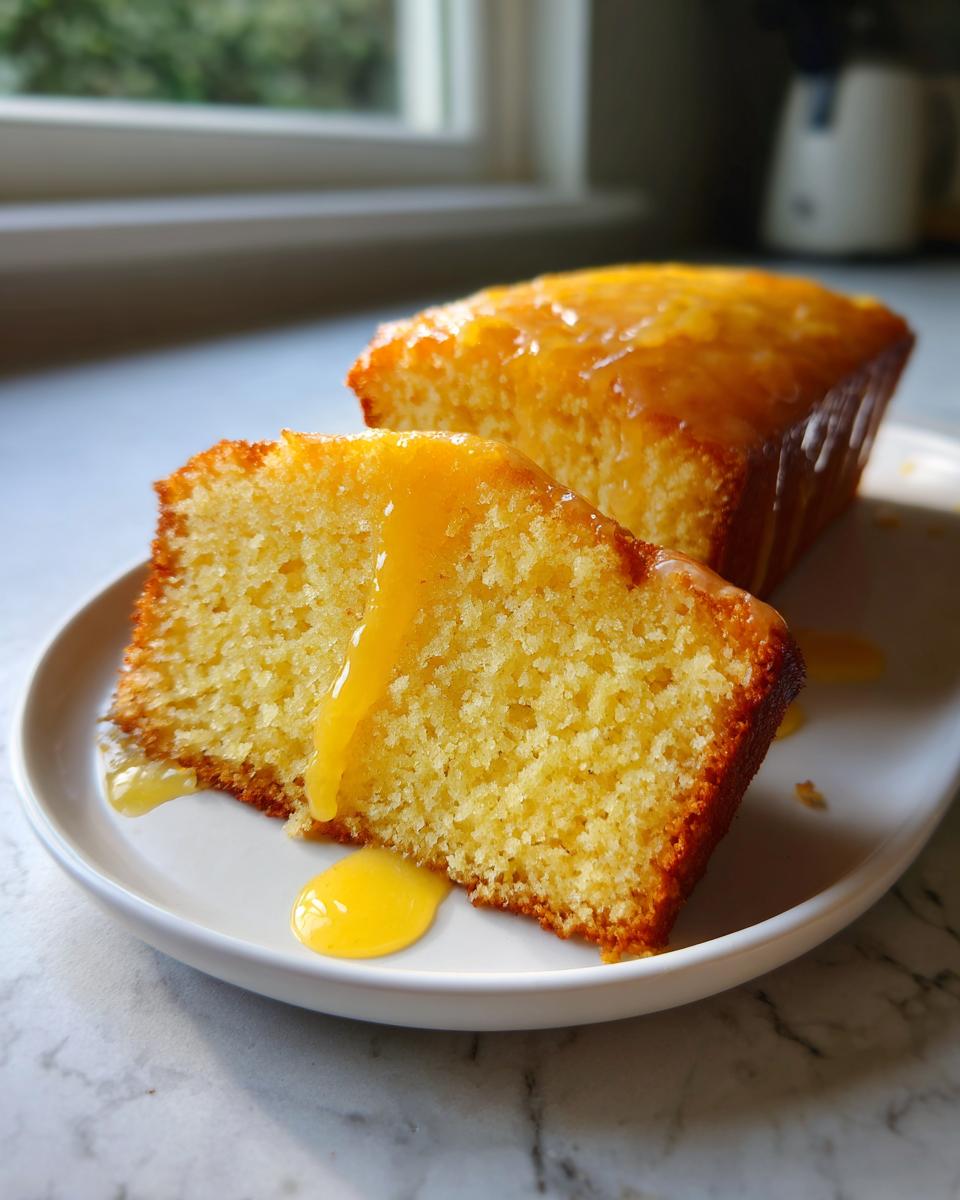
You can even combine these ideas—I once made a loaf cake with walnuts and a lemon-orange zest combo, and it was divine. If you are looking for other citrus combinations that work wonderfully, you should check out my post on the cranberry orange cake recipe, which uses similar techniques to keep the fruit moist!
Serving Suggestions for This Orange Breakfast Cake
This beautiful **orange juice cake** is one of those versatile baked goods that transitions perfectly from morning to night. Seriously, there’s no bad time for a slice of this bright, sweet flavor! Sometimes I bake one on a Friday, and it happily sits on the counter, getting better every day, ready for whatever occasion pops up.
If you’re eating it as an orange breakfast cake, I love serving it slightly warm—just a quick zap in the microwave for about 10 seconds. That little bit of heat makes the citrus drizzle soften slightly, and the whole aroma just wakes up the kitchen! It’s wonderful on its own, but if you’re hosting a shower or a big family weekend brunch, you can dress it up a bit.
For brunch spreads, think light and fresh accompaniments. A big dollop of good quality, barely-sweetened whipped cream is divine—it offers a great textural contrast to the moist cake. You could also serve thin slices alongside fresh berries; the tartness of raspberries or blackberries cuts through the richness of the cake glaze perfectly. If you’re looking for other fantastic ways to start your morning, you absolutely must check out my recipe for sourdough French toast; it uses a similar concept of making simple things taste unbelievably special!
When it moves into dessert territory later in the day—especially if you’ve added optional nuts or spices—it is marvelous served at room temperature with a strong cup of black coffee or maybe even a little tea. If you went heavy on the glaze soak, it might be a bit too fragile to slice when warm, so let it settle completely to room temperature for the cleanest slices.
Honestly, the greatest part of this recipe is that it needs nothing more than a plate and a fork. It’s a total triumph for those mornings when you want something incredibly delicious without having to whip up heavy frosting. It truly is the best orange cake for brunch because it’s bright, easy, and universally loved!
Storage and Reheating Instructions for Orange Juice Cake
One of the biggest compliments you can give this **orange juice cake** is that you’re saving some for later! Because we loaded it up with that wonderful, moistening citrus soak, it actually holds up beautifully. But knowing *how* to store it correctly is key to keeping that tenderness locked in, especially since we aren’t using a heavy frosting that seals everything away.
If you’re lucky enough to have leftovers, here are my go-to methods for keeping this simple orange pound cake recipe as delicious on day three as it was fresh out of the oven.
- Counter Storage is Best: For a cake this moist, I actually prefer keeping it at room temperature for up to three days. Pop it under a cake dome or wrap it securely in plastic wrap—I like to use a layer of plastic followed by a layer of foil for maximum freshness. Keeping it on the counter prevents the refrigeration from slightly dulling that bright orange flavor.
- The Refrigerator Debate: If your kitchen is super hot or humid, or if you’ve added any dairy-based toppings (which I usually don’t recommend for this recipe), you might need to refrigerate it. If you do chill it, make sure it’s wrapped *extremely* tightly. But remember, cakes harden a bit in the fridge, so you must let it sit out for at least an hour before serving it cold, or warm it up!
- Freezing for Later: This cake freezes brilliantly, which is great for batch baking. You must wrap it tightly—plastic wrap, then good foil—to prevent any freezer burn. It does best if you freeze it *before* you add the glaze, but if you must freeze it glazed, ensure the glaze layer is fully set first. It’s good frozen for up to three months.
How to Reheat a Slice for Fresh-Baked Flavor
When you pull a slice of this **moist orange cake** out of storage, a quick reheating makes it taste like you just pulled it out of the oven, especially since the glaze will soften beautifully again. Skip the microwave if you can, as it can get chewy quickly.
The best way to revive a slice is to use a conventional oven or toaster oven. Just pop the slice (maybe wrapped loosely in foil to keep it from drying) into a low oven—say, 300°F—for about 5 to 7 minutes. If you’re in a rush, you can microwave it for about 10 to 15 seconds. That brief heat wakes up the orange oils and makes that citrus drizzle melt just enough to re-moisten the crumb. It brings back that glorious scent of a homemade orange cake instantly!
Frequently Asked Questions About Making Orange Cake
I always get so many wonderful questions after sharing recipes, and my orange juice cake is no exception! It’s amazing how even with simple ingredients, people always wonder if they can swap something out or if they missed a step. Remember, Daisy and I always preached that baking is about understanding the *why* behind the steps, not just following them blindly. I’ve gathered the few things folks ask me most often about this recipe so you can bake with total confidence.
If you’re looking for other bright, zesty treats, I have a recipe for lemon crinkle cookies that uses similar citrus excitement. But for now, let’s dive into these common queries about our sunshine cake!
Can I use a cake mix instead of making this orange juice cake from scratch?
Oh, that’s the million-dollar question when someone is looking for an **easy citrus cake**! I totally understand the appeal of grabbing a box when time is tight. You *could* technically use a vanilla cake mix and swap out the required liquid with your fresh orange juice and zest—and you’d definitely get a decent cake. However, if you want that truly unbelievably moist orange cake texture we achieved by creaming the real butter and sugar and alternating the wet/dry ingredients, you really need to stick to the scratch method above. The structure and moisture content are built by those specific steps, which a mix just can’t replicate fully.
What is the best way to ensure my orange glaze cake sets up correctly?
That’s all about temperature and ratio, my friend! The goal for this recipe isn’t really for the glaze to “set up” into a thick, opaque frosting—it’s meant to be a thin, flavorful soak that sinks deep into the warm cake. If you want the glaze to stay a bit more visible on top, like a true **citrus drizzle cake**, make sure your cake has cooled for a little longer than 10 minutes—maybe 15 or 20—before poking and pouring. Also, for a thicker topping, use less juice in the glaze mix. If you want it thinner and fully absorbed, use more juice, but pour it when the cake is piping hot!
Is it better to use fresh or bottled orange juice for this orange juice cake recipe?
If you only take one thing away from this chat, please let it be this: use fresh! Daisy would haunt my kitchen if I told someone to use the stuff from a jug for this recipe. Bottled juice is often processed and lacks the volatile oils found in the zest and the fresh fruit itself. Those oils are what give you that unparalleled, bright, zesty punch that makes this orange juice cake taste like sunshine. Fresh juice is absolutely the key to maximizing the flavor and moisture content here. Don’t worry about the tiny bit of extra squeezing time; it’s worth every single drop!
How long will this homemade orange cake stay moist after baking?
Because of that wonderful soak we pour over it while it’s warm, this cake stays incredibly flavorful! Properly wrapped (like I explained in the storage section), you can expect this homemade orange cake to stay perfectly moist and tender for a solid three days on the counter. If you find that the edges start to firm up on day four, just slice off the outer edge and eat that piece immediately—it’s delicious! If you need it to last longer, freezing is always your best bet.
Can I make this cake vegan by swapping the butter and eggs?
That’s a great question for adaptation! Since this recipe relies heavily on the structure provided by butter and eggs, making it vegan requires some specific substitutions if you want it to survive becoming an **easy glazed cake recipe**. For butter, you can use a good quality vegan butter stick. For the eggs, I’d recommend a flax egg substitute (1 tablespoon ground flaxseed mixed with 3 tablespoons of water per egg), but you will likely need to add an extra teaspoon of baking powder to help give it the lift it loses from not having the eggs. It won’t be quite the same as Daisy’s original, but it should still be a wonderfully bright orange dessert!
Understanding the Nutrition of This Simple Orange Pound Cake Recipe
Now, I know that when we are baking recipes passed down from our grandmothers, we aren’t usually focusing on the numbers—we’re focusing on the love and the flavor! But since I have the recipe fully analyzed, I wanted to share the estimated nutritional information for this simple orange pound cake recipe. This gives you a general idea of what you’re enjoying when you take a bite of this bright treat.
Please remember that these figures are my best estimates based on standard ingredient measurements, and they are calculated assuming the cake is divided evenly into 8 nice, big slices. If you cut smaller slivers for an afternoon tea, the numbers change! If you’re interested in learning more about how heat changes ingredients, you might want to check out my guide on caramelized onions; understanding heat transformation is key in the kitchen!
Here is the snapshot for one serving of our Ultra Moist Orange Juice Cake:
- Serving Size: 1 slice
- Calories: 280
- Total Fat: 12g (with 7g saturated fat—that creamy butter is working hard!)
- Carbohydrates: 42g
- Protein: 4g
- Sugar: 35g (The fruit and glaze give us that sweetness!)
- Sodium: 180mg
Even with the glaze, because we aren’t using heavy frosting, this cake keeps its profile wonderfully balanced, making it perfectly acceptable for serving as an afternoon snack or an orange breakfast cake!
PrintUltra Moist Orange Juice Cake with Bright Citrus Glaze

This recipe yields an incredibly moist orange juice cake, perfect for breakfast or dessert. We use fresh orange juice and zest for bright flavor, finished with a simple, sweet citrus glaze that soaks into the warm cake.
- Prep Time: 15 min
- Cook Time: 35 min
- Total Time: 45 min
- Yield: 8 servings 1x
- Category: Dessert
- Method: Baking
- Cuisine: American
- Diet: Vegetarian
Ingredients
- 1 3/4 cups all-purpose flour
- 1 1/2 teaspoons baking powder
- 1/2 teaspoon salt
- 1 cup granulated sugar
- 1/2 cup (1 stick) unsalted butter, softened
- 2 large eggs
- 1/2 cup fresh orange juice
- 1 teaspoon vanilla extract
- 1 tablespoon fresh orange zest
- 1/2 cup powdered sugar (for glaze)
- 1 tablespoon fresh orange juice (for glaze)
Instructions
- Preheat your oven to 350°F (175°C). Grease and flour a 9-inch round cake pan.
- In a medium bowl, whisk together the flour, baking powder, and salt. Set aside.
- In a large bowl, cream together the softened butter and granulated sugar until light and fluffy. This step builds the cake’s structure.
- Beat in the eggs one at a time, mixing well after each addition. Stir in the vanilla extract and orange zest.
- Gradually add the dry ingredients to the wet ingredients, alternating with the 1/2 cup of orange juice. Begin and end with the dry mixture. Mix only until just combined; do not overmix to keep the cake tender.
- Pour the batter into the prepared cake pan.
- Bake for 30 to 35 minutes, or until a toothpick inserted into the center comes out clean.
- While the cake bakes, prepare the glaze: Whisk together the powdered sugar and 1 tablespoon of fresh orange juice until smooth. Adjust juice amount for desired drizzling consistency.
- Remove the cake from the oven. Let it cool in the pan for 10 minutes.
- Poke small holes all over the top surface of the warm cake using a skewer or fork.
- Slowly pour the citrus glaze evenly over the warm cake, allowing it to soak in.
- Let the cake cool completely in the pan before inverting onto a serving plate. Serve this easy glazed cake recipe as a simple dessert or orange breakfast cake.
Notes
- For the best bright citrus flavor, use fresh-squeezed orange juice and zest from two medium oranges.
- This cake is excellent baked as a zesty orange loaf cake if you use a standard loaf pan; adjust baking time by about 10 minutes.
- If you prefer a thicker topping instead of a soak, wait until the cake is completely cool before spreading the glaze on top.
Nutrition
- Serving Size: 1 slice
- Calories: 280
- Sugar: 35g
- Sodium: 180mg
- Fat: 12g
- Saturated Fat: 7g
- Unsaturated Fat: 5g
- Trans Fat: 0g
- Carbohydrates: 42g
- Fiber: 1g
- Protein: 4g
- Cholesterol: 55mg