

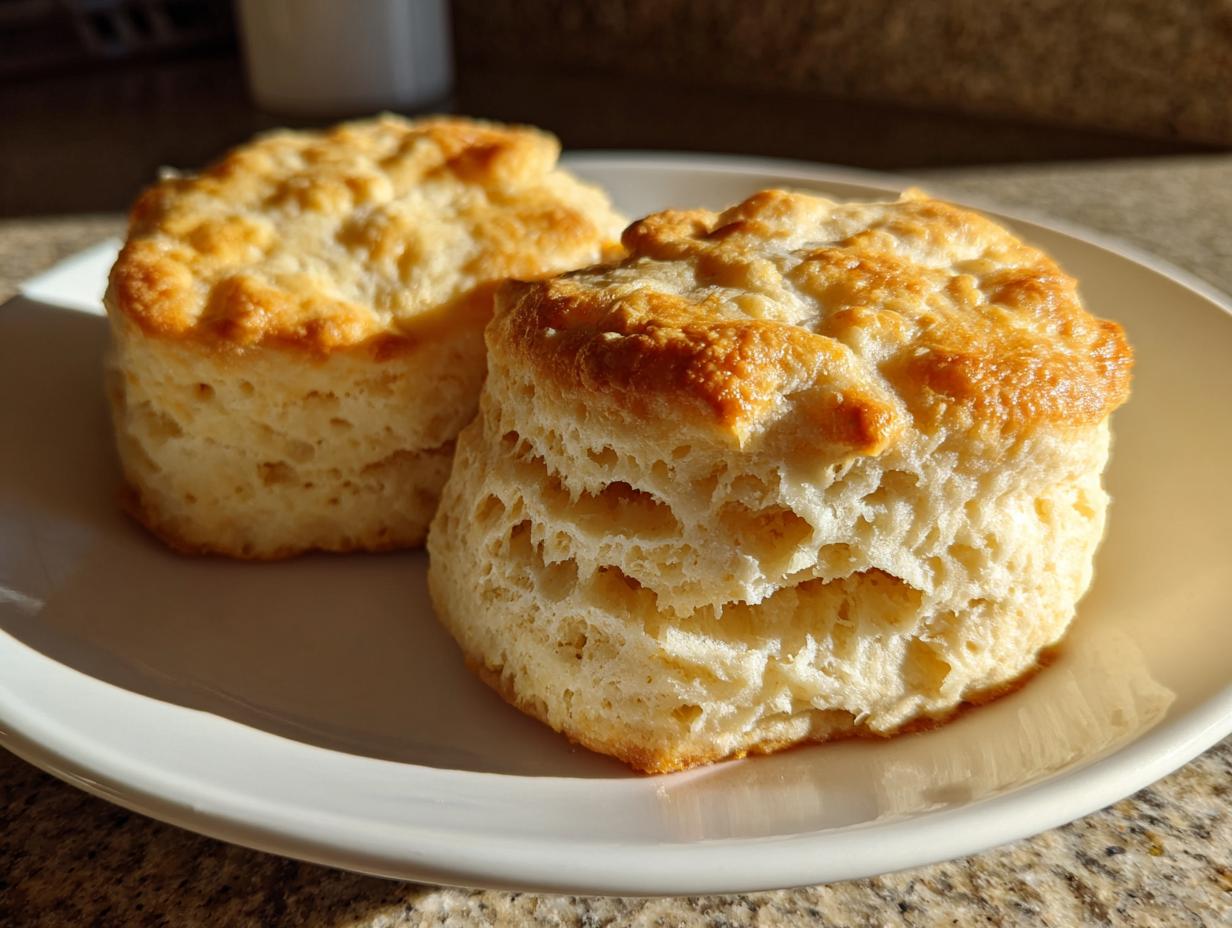
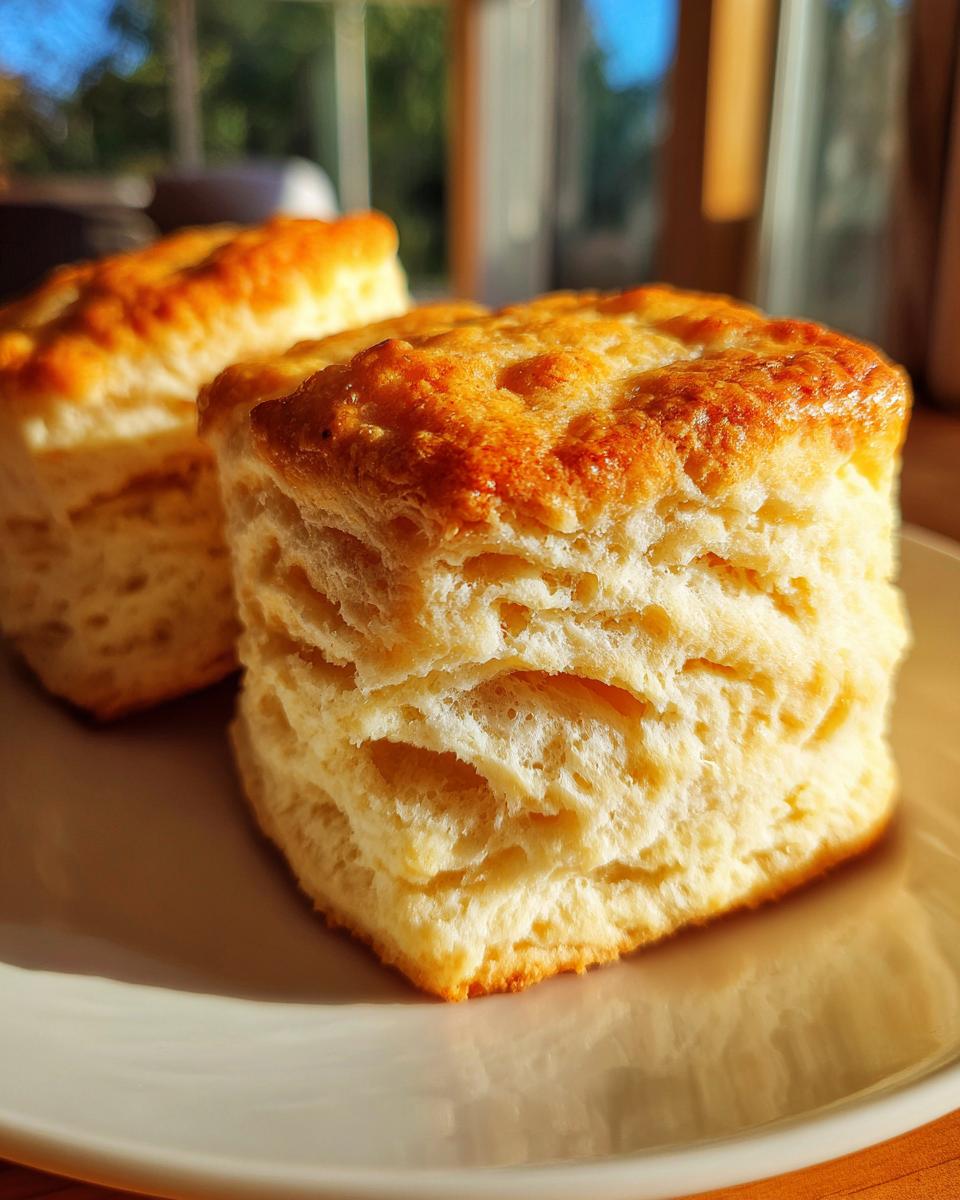
Oh, if you know me, you know there’s no greater joy than pulling a fresh pan of biscuits out of the oven. They shouldn’t just be flat, little rounds, though! We’re aiming for height! We’re talking about those spectacular, layered beauties that crackle when you pull them apart. Today, for National Buttermilk Biscuit Day, we’re digging deep into Grandma Daisy’s kitchen to bring you the true heritage bread technique for making Southern buttermilk biscuits that stack up proud.
This isn’t just a recipe; it’s a connection back to Daisy’s simple, honest kitchen, which you can read more about on my About Page. Those were days when the screen door was always open and the food told you someone loved you. I’m Amelia, and after leaving that quiet kitchen for city life, I realized how much I missed that grounding feeling. Recreating these recipes is my way of keeping her legacy alive. Trust me, mastering these cold-ingredient secrets is the key to unlocking those airy, flaky layers you dream about.
- Why You Must Master the Heritage Technique for Southern Buttermilk Biscuits
- Essential Ingredients for Perfect Southern Buttermilk Biscuits
- The Heritage Method: Step-by-Step Southern Buttermilk Biscuits Instructions
- Pro Tips for Perfect Southern Buttermilk Biscuits Every Time
- Serving Suggestions for Your Homemade Bread
- Storage and Reheating Instructions for Southern Buttermilk Biscuits
- Frequently Asked Questions About Buttermilk Recipes
- Estimated Nutritional Snapshot
- Share Your Heritage Baking Success
Why You Must Master the Heritage Technique for Southern Buttermilk Biscuits
Listen, you can use all the fancy gadgets in the world, but if you skip the fundamentals Daisy taught me, you’re going to end up with sad, flat hockey pucks. The reason this heritage method works so beautifully lies entirely in keeping things freezing cold and treating the dough like silk. It’s all about setting up those layers for success before they even hit the heat.
Achieving Maximum Height and Flakiness
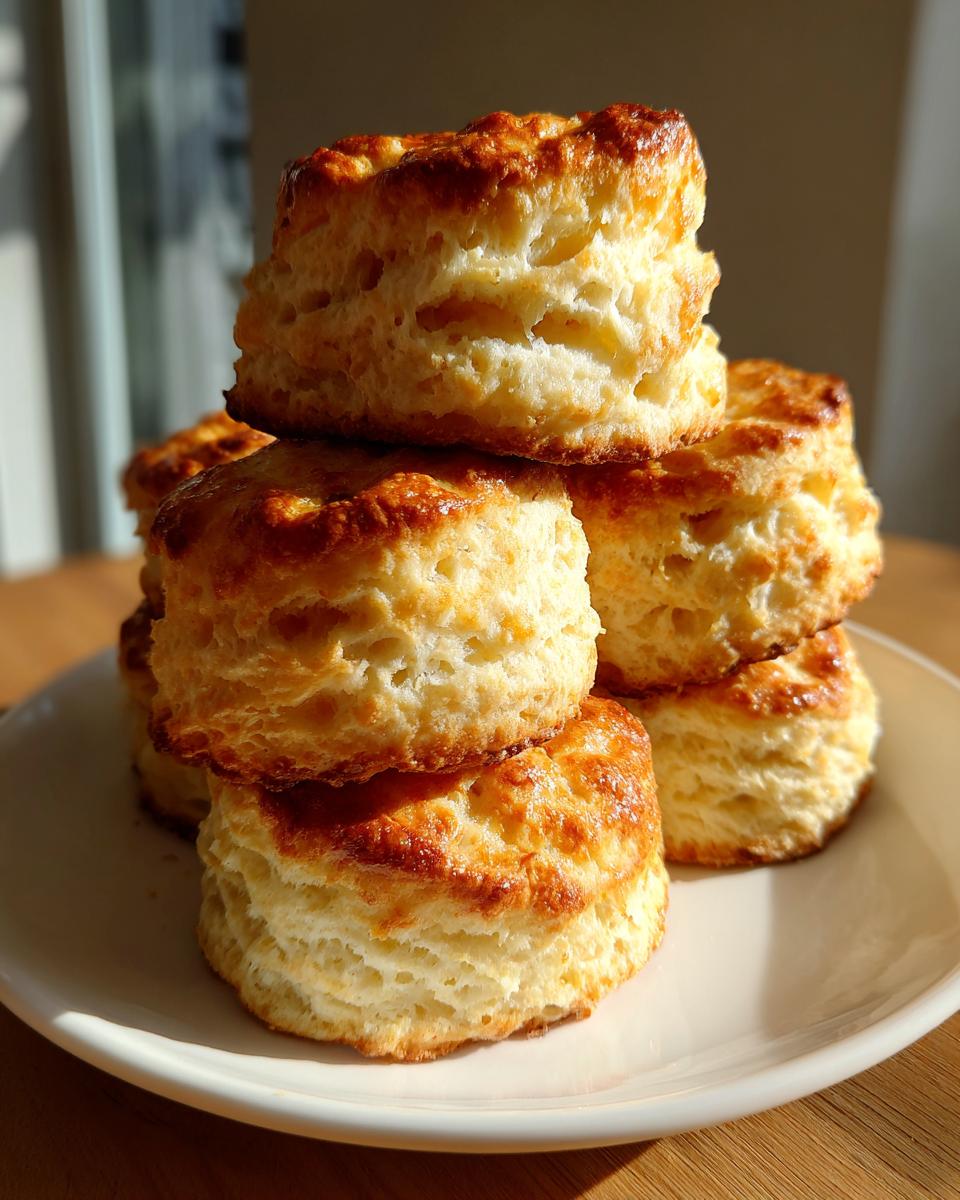
- The secret weapon is the cold butter. When those tiny frozen cubes hit the hot oven, they create steam pockets. That steam has nowhere to go but UP, giving you unbelievable height.
- Cold buttermilk helps keep the butter solid while it mixes in, guaranteeing you get those defined layers we’re chasing.
- And that fold we do? Folding the dough multiple times is what separates the layers perfectly. It forces the dough to build structure, resulting in those gorgeous, tall flaky biscuits that look too good to eat.
Essential Ingredients for Perfect Southern Buttermilk Biscuits
You can’t shortcut the foundation, right? Daisy used just a handful of things, but their preparation was everything. We need simple ingredients, but they have to be treated with respect—meaning they must be ice cold. Here is exactly what you need for about eight perfect rounds of homemade bread.
- 2 cups all-purpose flour
- 1 tablespoon baking powder
- 1 teaspoon salt
- 1 teaspoon sugar
- 6 tablespoons cold unsalted butter, cut into small cubes
- 3/4 cup cold buttermilk
Ingredient Clarity: Cold Butter and Buttermilk
I cannot stress this enough: your butter needs to be truly cold and cut into small cubes—think little gravel bits. If your butter is melting even slightly before it hits the flour, you’re already losing some of that lift potential. And that buttermilk? It needs to either come straight from the coldest part of the fridge or even have been chilling in the freezer for ten minutes. Keeping these two items frigid is the difference between a tall, flaky biscuit and one that just flops over. Simple but critical for great buttermilk recipes!
The Heritage Method: Step-by-Step Southern Buttermilk Biscuits Instructions
Okay, friend, this is where the magic happens. Forget all those fancy mixers; Daisy did this by hand, and you can too! This process—the folding, the cutting—is what makes these worthy of celebrating National Buttermilk Biscuit Day properly. We are concentrating on gentle movements to preserve those cold butter pockets so they can steam up to the heavens.
Mixing the Dough: Gentle Handling for Flaky Biscuits
First, get your dry ingredients whisked up nice and quick. Then, you need to cut in that cold butter. I like using my fingertips because you can feel when you’ve got the right consistency—you want coarse crumbs, definitely still seeing some pea-sized chunks of butter lingering. That’s critical for lift! When you add the cold buttermilk, pour it right into the center well. Mix it with a fork, and stop immediately when it just comes together. Seriously, the shaggier the dough looks, the better your flaky biscuits are going to be. Overmixing wakes up the gluten, and that leads to tough biscuits, not tender ones.
Building Layers: The Crucial Fold for Tall Southern Buttermilk Biscuits
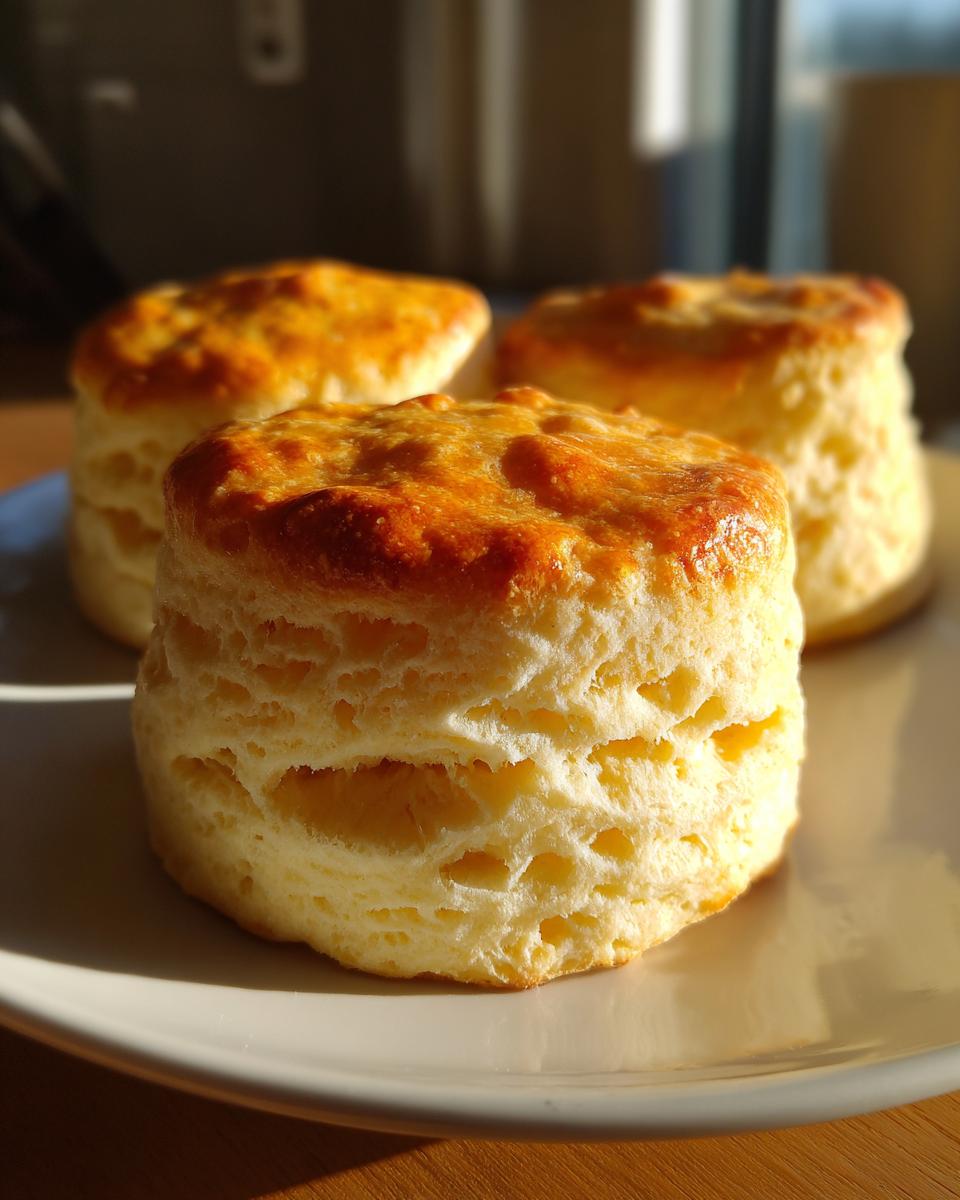
Turn that shaggy mess onto the counter. Pat it gently into a rough rectangle about an inch thick—handle it fast! Now, here is the heritage secret for building structure in your Southern bakes: Fold it like you’re folding a letter into thirds. Then, turn the dough 90 degrees, and pat it down again until it’s about 3/4 inch thick. That gentle press is building those internal walls. Repeat that fold process if you’re absolutely dedicated, but one solid fold makes a world of difference for height!
Cutting and Placing Biscuits
This next part matters for achieving those straight, tall sides. Dip your sharp biscuit cutter in flour, and press straight down—don’t you dare twist it! Twisting seals the edges shut, and when the edges are sealed, the upward steam getting trapped can’t push the layers apart. Place them close together on the sheet if you want soft sides, which I love for slathering with butter. If you want crispy sides, give them space.
Pro Tips for Perfect Southern Buttermilk Biscuits Every Time
Even when you follow the steps, sometimes baking throws you a curveball. That’s why I always fall back on the extra little rules Grandma Daisy swore by. These aren’t in the main instructions, but they are the difference between a good biscuit and one that makes everyone ask for the recipe. Remember, baking is about learning the rhythm of your ingredients and your kitchen, not just following words on a page.
Troubleshooting Common Issues with Flaky Biscuits
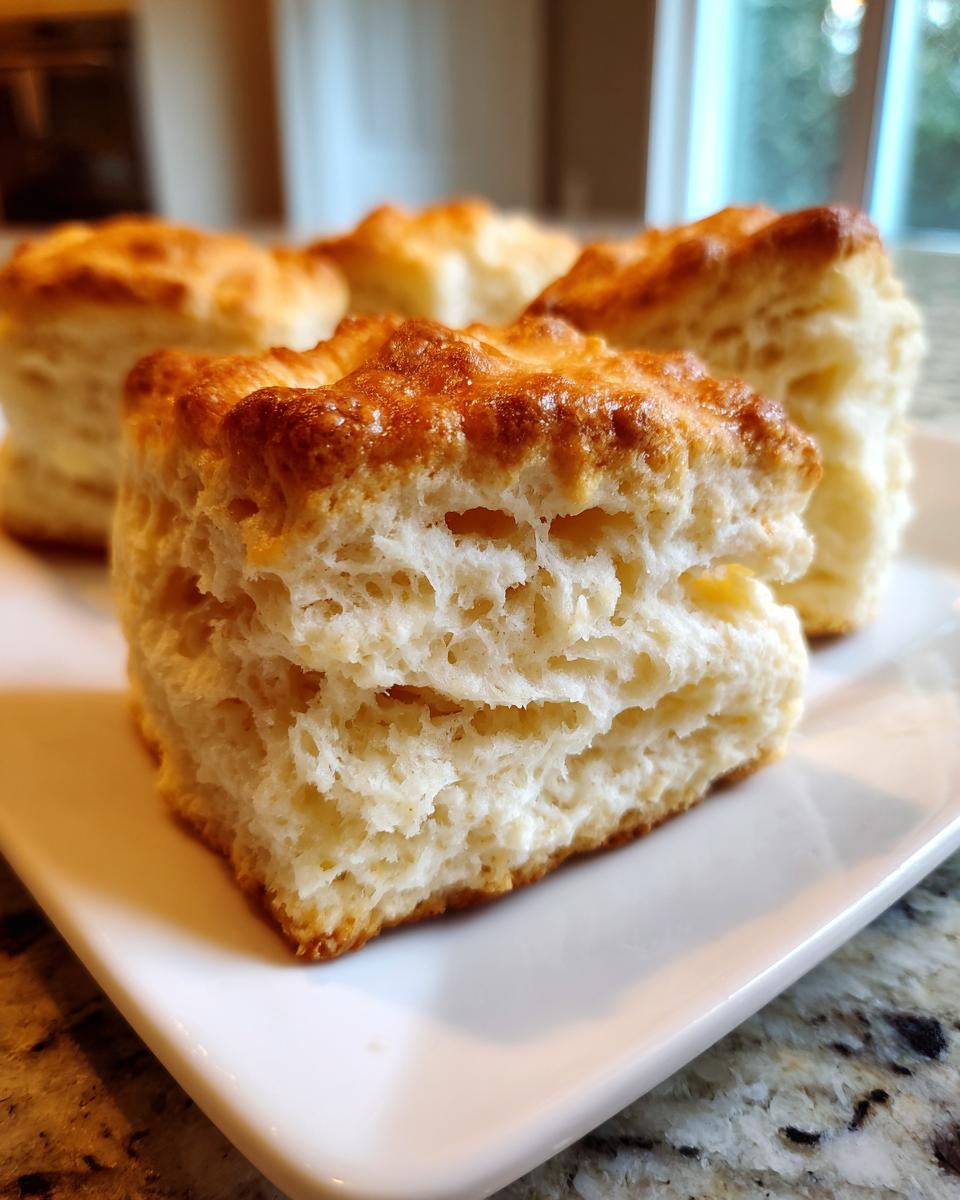
If your biscuits are coming out flat, chances are high that your butter wasn’t cold enough, or you mixed the dough too much, developing that tough gluten. If they look sad and flat, don’t despair! Sometimes, for extra height, I’ll lightly stack the cut rounds on top of each other before baking—it forces them straight up! If the texture feels tough, you probably handled the dough too much after adding the buttermilk. Next time, practice being lightning-fast!
And listen to this pro move: right when they come out of the oven, brush the tops with a little melted butter. It locks in that freshly baked softness and prevents the top crust from hardening up too fast. These tips really help elevate your buttermilk recipes from good to absolutely unforgettable.
Serving Suggestions for Your Homemade Bread
Now that you have these magnificent, tall stacks of Southern buttermilk biscuits fresh from the oven, the real question is: what are you eating them with? Honestly, they’re perfect just split open with a little salt. But if you want to make a real statement, you have options across the board!
For that classic Southern welcome, nothing beats homemade sausage gravy piled high—it soaks right down into those layers perfectly. If you’re leaning sweet, a smear of homemade jam or grape jelly is mandatory. My personal favorite, though, especially if you’ve got some leftover, is serving them warm with some good whipped honey butter. It’s so simple, but so delicious. You can find my quick recipe for that whipped honey butter right here! These aren’t just for breakfast; they make amazing little dinner rolls too!
Storage and Reheating Instructions for Southern Buttermilk Biscuits
These biscuits are absolutely best eaten ten minutes out of the oven, but let’s be real—there are usually leftovers! If you have any of these beautiful stacks remaining, just keep them in an airtight container on the counter for up to two days. Do not stick them in the fridge; that heat sucks all the softness right out of them.
When you’re ready to revive them, don’t microwave them! That makes them tough. Instead, wrap them loosely in foil and warm them up in a 350-degree oven for about six to eight minutes. That little bit of dry heat brings back the flaky texture perfectly. A light brush of butter right when they come out, and you’d never know they weren’t baked fresh!
Frequently Asked Questions About Buttermilk Recipes
I know you might still have a few questions buzzing around after tackling this technique. Making real Southern buttermilk biscuits is easy once you know the rules, but sometimes you need that final reassurance! I’ve gathered some of the most common things I hear about these classic buttermilk recipes.
Can I substitute regular milk for buttermilk in these Southern buttermilk biscuits?
Oh, honey, please don’t try to substitute with regular milk if you want the lift! The acid in the buttermilk is non-negotiable here; it reacts chemically with the baking powder to give you that amazing rise. If you’re absolutely in a pinch, you can make a substitute: measure out 3/4 cup of regular milk and stir in one tablespoon of distilled white vinegar or lemon juice. Let it sit for about five minutes until it looks slightly curdled. It’s not quite the same, but it gets you close!
What makes these biscuits so much taller than others?
That height comes from two main places. First, super cold butter creates those steam pockets we talked about—it’s like tiny explosions pushing the dough up! Second, and maybe most importantly for the structure, is the folding we did. Those folds create the distinct layers. Also, make sure you’re just pressing that biscuit cutter straight down. If you twist, you seal the sides, and those beautiful layers can’t separate properly for maximum height. Those secrets will give you the best flaky biscuits you’ve ever made.
If you’re looking for alternative ways to use up any extra buttermilk, check out some of my ideas for healthy lunch ideas where a tangy marinade can work wonders!
Estimated Nutritional Snapshot
Now, I want to be super clear about this—Grandma Daisy never worried about calories when she was baking comfort food! But for those of you tracking things, here’s a snapshot based on the specific ingredients in this recipe. Remember, these estimates are just a guide, since how much butter actually gets absorbed can change things!
- Serving Size: 1 biscuit
- Calories: 250
- Sugar: 2g
- Sodium: 450mg
- Fat: 13g
- Carbohydrates: 28g
- Protein: 5g
Share Your Heritage Baking Success
I poured my heart into sharing Daisy’s secrets for these incredible Southern buttermilk biscuits, and honestly, the best part of all this is hearing from you! Did you nail that tall rise? Did you feel that satisfying crackle when you pulled the layers apart? I want to know everything!
When you try these, please, come back and leave a rating. Telling me how they turned out helps keep Daisy’s legacy of simple, honest baking alive and well for other home cooks who might be nervous about tackling heritage bread techniques. If you run into trouble or have a little victory to share, you can always reach out directly to me through the contact page. Happy baking to you all!
PrintDaisy’s Tall, Flaky Southern Buttermilk Biscuits
Learn the heritage bread technique for making tall, flaky layers and a tender crumb in your Southern bakes using cold ingredients and precise cutting methods.
- Prep Time: 15 min
- Cook Time: 15 min
- Total Time: 30 min
- Yield: 8 biscuits 1x
- Category: Breakfast
- Method: Baking
- Cuisine: American
- Diet: Vegetarian
Ingredients
- 2 cups all-purpose flour
- 1 tablespoon baking powder
- 1 teaspoon salt
- 1 teaspoon sugar
- 6 tablespoons cold unsalted butter, cut into small cubes
- 3/4 cup cold buttermilk
Instructions
- Combine the flour, baking powder, salt, and sugar in a large bowl. Whisk these dry ingredients together well.
- Add the cold butter cubes to the flour mixture. Use your fingers or a pastry blender to cut the butter into the flour until the mixture resembles coarse crumbs with some pea-sized pieces remaining.
- Make a well in the center of the dry ingredients and pour in the cold buttermilk all at once.
- Mix gently with a fork just until the dough comes together. Do not overmix; the dough will look shaggy.
- Turn the dough out onto a lightly floured surface. Gently pat the dough into a rough rectangle about 1 inch thick.
- Fold the dough into thirds, like a letter. Turn the dough 90 degrees and gently pat it down again to about 3/4 inch thickness. This folding builds your flaky layers.
- Cut the biscuits using a sharp biscuit cutter dipped in flour. Press straight down without twisting the cutter to keep the layers from sealing.
- Place the cut biscuits close together on an ungreased baking sheet for softer sides, or farther apart for crispier sides.
- Bake in a preheated oven at 425 degrees Fahrenheit for 12 to 15 minutes, or until the tops are golden brown.
Notes
- Keep all your ingredients, especially the butter and buttermilk, very cold for the best rise and flakiness.
- For extra height, you can stack the cut biscuits on top of each other before baking.
- Brush the tops lightly with melted butter immediately after removing them from the oven for a soft finish.
Nutrition
- Serving Size: 1 biscuit
- Calories: 250
- Sugar: 2
- Sodium: 450
- Fat: 13
- Saturated Fat: 8
- Unsaturated Fat: 5
- Trans Fat: 0
- Carbohydrates: 28
- Fiber: 1
- Protein: 5
- Cholesterol: 30