

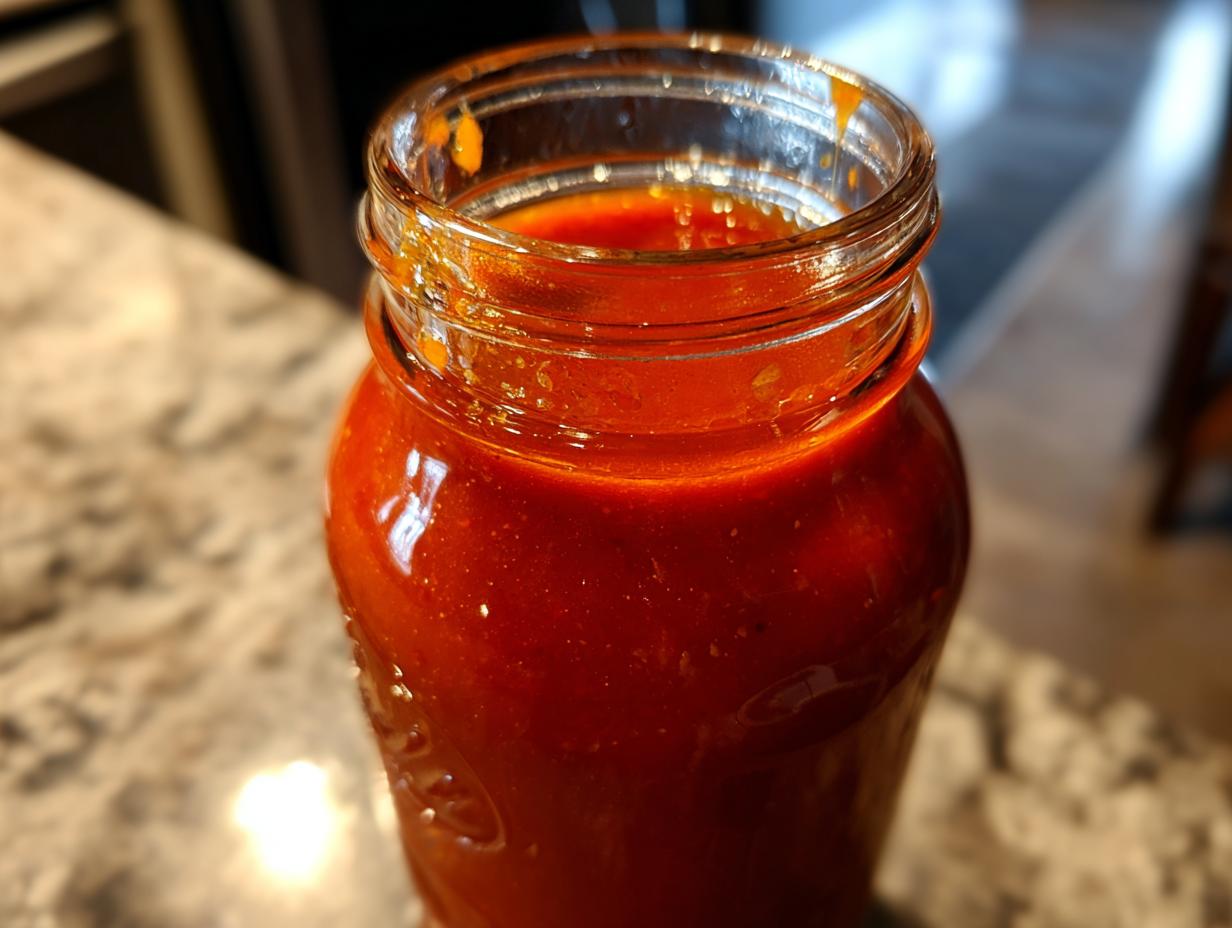
When I started really baking again, reconnecting with my Grandma Daisy’s kitchen after years away in the city, I thought everything needed to be complicated. But Daisy always knew that the best things were the simplest. That’s what inspired me to tackle something I thought was reserved for science labs or big factories: making my own condiments. Trust me when I say, ditch the stuff in the store because this **homemade hot sauce** recipe is exactly where you need to start. If you want to learn more about my journey back to the kitchen, check out my story here!
This isn’t some wild, murky fermentation project! This is a super straightforward, beginner-friendly recipe we make right on the stovetop. It’s fast, it tastes so incredibly fresh, and it brought that vibrant, creative spark back into my own kitchen. We’re going to make a wonderfully tangy, vinegar-based chili sauce together in under an hour.
- Why This is the Best Homemade Hot Sauce for Beginners
- Gathering Ingredients for Your Homemade Hot Sauce
- Step-by-Step Stovetop Hot Sauce Instructions
- Tips for Success When Making Your Own Hot Sauce
- Flavor Variations for Your Homemade Hot Sauce
- Bottling and Storing Your Homemade Hot Sauce
- Understanding the Nutritional Profile of This Spicy Condiment
- Frequently Asked Questions About Homemade Hot Sauce
- Share Your Homemade Hot Sauce Creations
Why This is the Best Homemade Hot Sauce for Beginners
So many people get intimidated by homemade hot sauce because they hear the word ‘fermentation.’ Honestly, that process can be tricky and takes weeks! What I love about this approach is that it skips all that fuss. It’s reliable, safe, and you get incredible flavor right away. This is truly the easy homemade hot sauce you’ve been looking for.
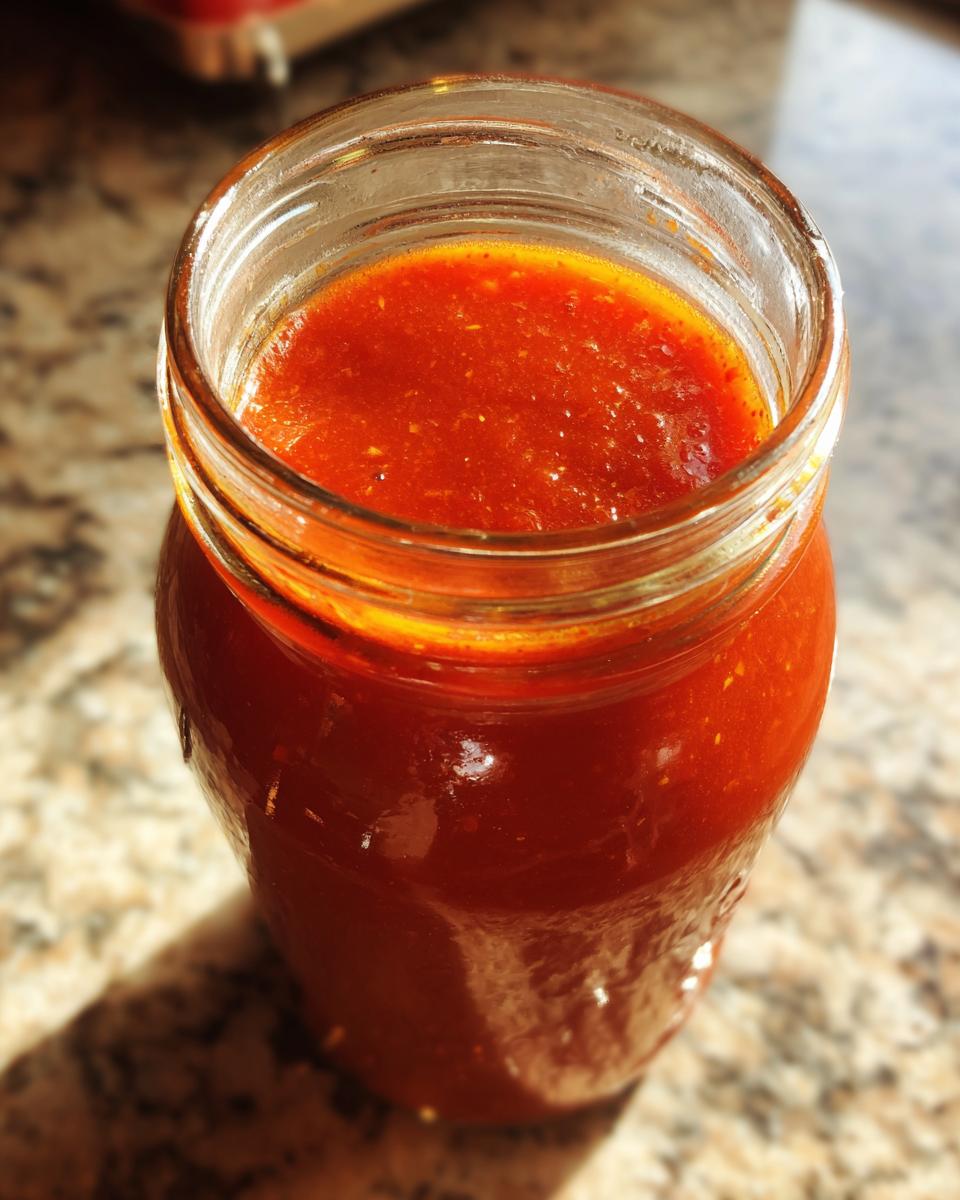
- It uses simple, whole ingredients, making it a beautiful, natural hot sauce recipe.
- The stovetop method means you control the thickness and tanginess perfectly.
- You can move from raw peppers to bottled sauce in about thirty-five minutes total! That speed is just magic for a busy schedule.
Quick Preparation: Stovetop Hot Sauce Instructions
Because we’re cooking this down quickly, we aren’t waiting for wild yeast or lactic acid to do their thing. We use white vinegar as our preservative right from the start. This method is all about getting that vibrant pepper flavor cooked down, blended, and bottled fast. It proves you don’t need days of waiting to make something amazing!
Gathering Ingredients for Your Homemade Hot Sauce
Alright, now that we know this is simple, let’s talk about what you need. The absolute core of any great **homemade hot sauce** is the pepper itself. Please, please use fresh peppers if you can! They bring so much more brightness than dried ones do in this quick recipe. Everything else is just there to balance the pepper’s natural fire. Don’t worry, the list is short, and you probably have most of it already!
Ingredient List for the Vinegar Based Hot Sauce
You’ll need just a few things for this base recipe. Remember, accuracy is key when you’re trying to get that perfect tang and heat balance in your first batch of this vinegar based hot sauce.
- 1 pound fresh red chili peppers (I love using ones like Fresno or Cayenne for a nice clean heat)
- 1 cup distilled white vinegar
- 1/2 cup water
- 2 cloves garlic, peeled
- 1 teaspoon salt
- 1 teaspoon sugar (we add this optional little bit just to round out the sharp edges)
Step-by-Step Stovetop Hot Sauce Instructions
Okay, this is where the real kitchen science kicks in, but don’t let that scare you! Making **homemade hot sauce** safely and effectively starts with respecting the peppers. Before you even look at the stove, go find some rubber gloves. Seriously, you don’t want pepper oil lingering on your skin for days—trust me on this one, I learned the hard way!
Once you’re protected, we move straight into cooking. No waiting, just pure flavorful action. This is so much faster than fermentation projects, which is why I turn to this method whenever I need a quick flavor boost for dinner. Head over to my weeknight dinner ideas section if you need some inspiration for what to serve this sauce with!
Preparing Peppers and Initial Simmer for Homemade Hot Sauce
First thing: get rid of those stems on your pound of fresh red chilies. Now, here’s the heat adjustment moment: Are you going for mild, medium, or are you feeling truly brave? If you leave the seeds in, you crank up the heat significantly. If you want a slightly milder kick, just slice the peppers open and scrape some of the seeds out before tossing them in your pot. Pop those prepared peppers, the peeled garlic cloves, salt, water, and vinegar into a saucepan. Remember, use a non-reactive pot—stainless steel is perfect—so the vinegar doesn’t interact weirdly with the metal. Bring that whole vibrant mix up to a proper boil over medium-high heat, and then immediately drop it down to a gentle simmer. Let it bubble happily for about 15 to 20 minutes until those peppers look totally soft and floppy.
Blending and Straining for a Smooth Fresh Pepper Sauce Guide
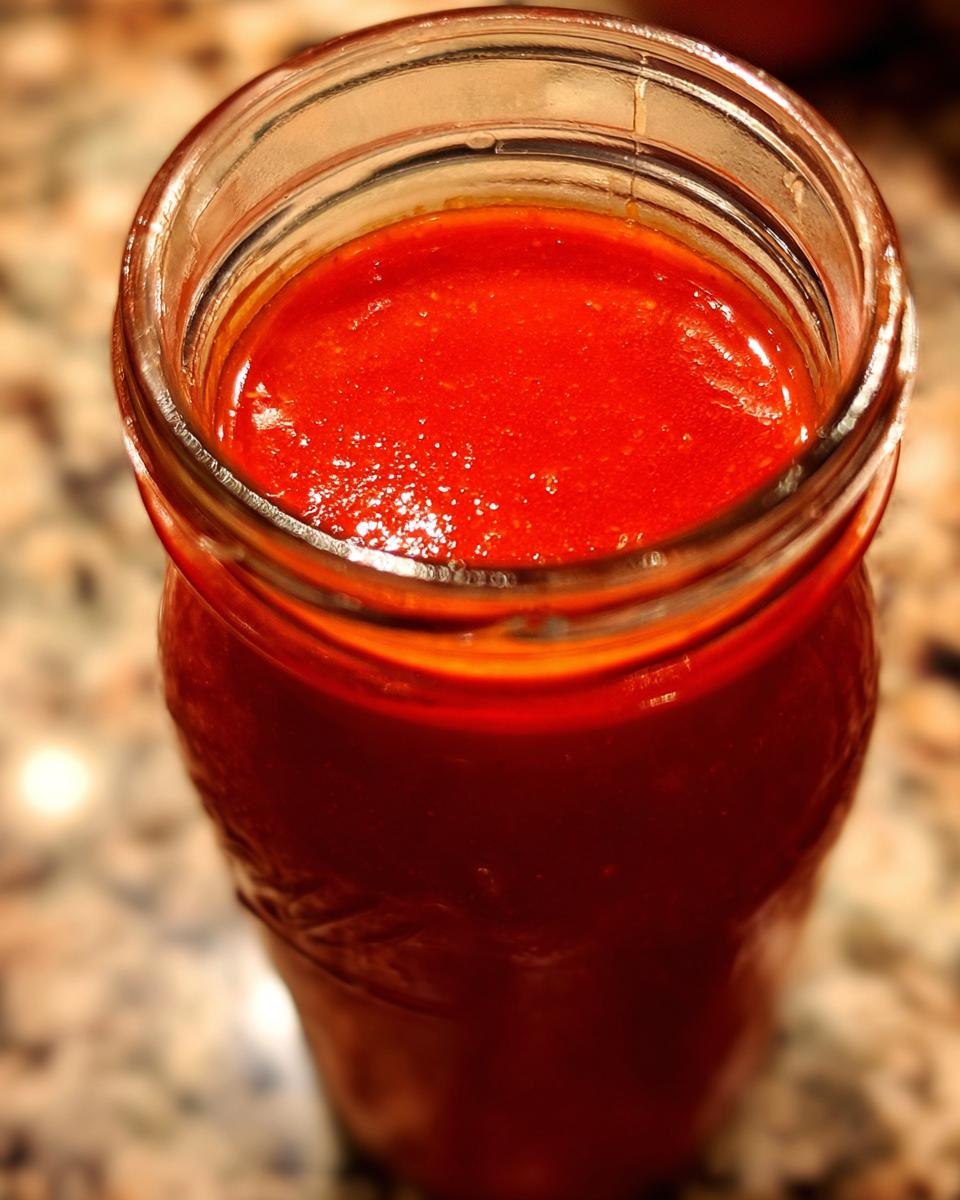
Once they are soft, take the pot off the heat and let it cool down for just ten minutes—this is important for safety when blending! Carefully transfer the cooked mixture into your blender. Do NOT fill the blender past the halfway mark when blending hot liquids; leave the lid vent open slightly and cover it with a folded dish towel, otherwise, you risk that scary lid explosion! Blend this until it is completely, utterly smooth. If you want that professional, restaurant-quality texture for your **fresh pepper sauce guide**, you need to strain it now. Push that smooth liquid through a fine-mesh sieve using the back of a spoon to extract every last drop of goodness. Discard the pulp left behind!
Tips for Success When Making Your Own Hot Sauce
You’ve done the hardest part—you cooked the peppers! Now we just fine-tune it to make sure it sings on your plate. Getting the right consistency and spice level is all about listening to your palate. This is where the fun of **kitchen condiment making** really shines because you are the master chemist now. If you’re looking for other easy DIY condiments, I have a great cocktail sauce recipe you might love too!
Adjusting Spice and Tanginess in Your DIY Hot Sauce Recipe
If you taste your sauce once it’s strained and it tastes a little thin or too sharp, don’t panic! That’s why we use vinegar and water. You can thicken it up slightly by simmering it uncovered for another five minutes, which lets some of that excess water evaporate. For tanginess control in your **DIY hot sauce recipe**, if it’s too vinegary, add just a splash more water next time or perhaps a tiny pinch more sugar to balance it out. If you want it much hotter, remember you can always make another tiny batch with seeds left in next time around. These small adjustments are what turn good **spicy condiment recipes** into *your* perfect signature sauce!
Flavor Variations for Your Homemade Hot Sauce
Once you see how easy this base recipe is, your mind starts spinning with possibilities, right? I know mine did! This is where those little scribbles on the edge of Grandma Daisy’s recipe cards start making sense. You can take this fundamental **vinegar based hot sauce** and tweak it until it’s uniquely yours. Adding fruits or smoke completely changes the profile, turning a basic sauce into something restaurant-worthy. It’s so satisfying to dress up your favorite food with a flavor you built from scratch!
For instance, if you want a tropical kick, try making a **fruit infused hot sauce**. Simply toss in about half a cup of chopped mango or maybe some pineapple right when you start the simmering process. Those fruits cook down beautifully with the peppers and vinegar. If you’re looking for something deeper and richer, you can definitely aim for that smoky depth. Creating a **smoky chipotle sauce recipe** flavor is easy!
To get that comforting, smoky note, you can either add some dried chipotle peppers along with your fresh ones or, and this is my secret weapon sometimes, add just a half teaspoon of liquid smoke right at the very end when you are blending. It adds a huge depth without changing the basic texture at all!
Bottling and Storing Your Homemade Hot Sauce
We’re at the finish line! Now we need to get this beautiful, fiery creation into its permanent home. Think of this as the final, crucial step in your **hot sauce bottling tips**. You need clean containers, always. I highly recommend using glass bottles that you’ve sterilized beforehand—it’s the best way to keep things safe and fresh. Remember Step 8? Once your sauce is completely smooth and strained, funnel it into those clean bottles.
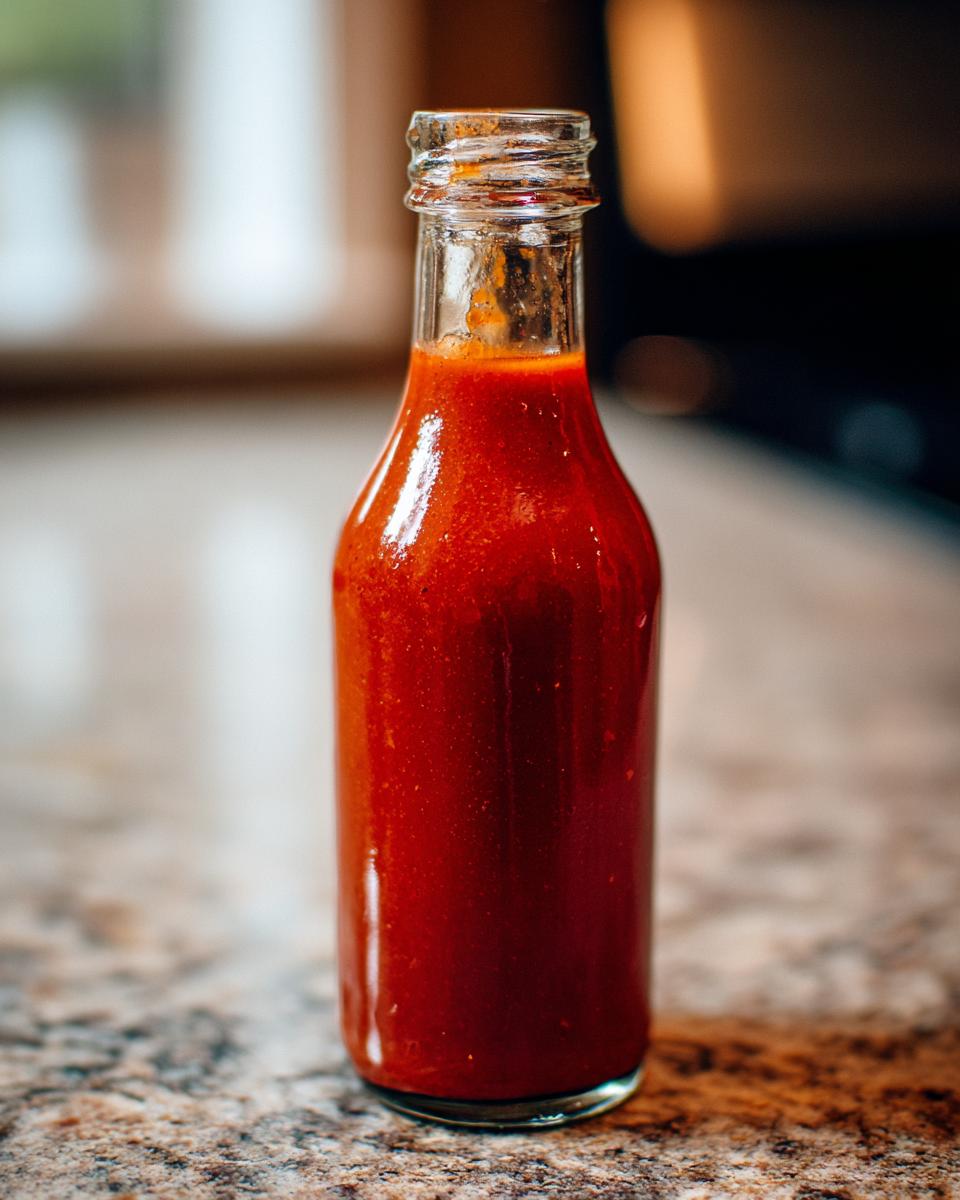
This stovetop recipe is designed to be stable because of the vinegar, but for the best results and easiest serving, you should always keep it refrigerated. Let the bottles cool down to room temperature first before you seal them tightly. Once cooled and capped, this sauce should stay bright and flavorful in the fridge for several months. If you want to dive deeper into food preservation techniques, check out my guide on preserving hot peppers.
It’s such a satisfying feeling to pull a bottle of your own **make your own hot sauce** creation out of the fridge, isn’t it? It just tastes better when you know you made it!
Understanding the Nutritional Profile of This Spicy Condiment
Now that we’ve made something delicious, sometimes it’s nice to see what’s actually in our creation! Since this is a pure pepper and vinegar blend, especially if you skip the optional sugar, it’s usually a very light addition to your meal. Just remember, these numbers are estimates based on the 1 pound of peppers and the other ingredients we used in the basic recipe.
For a standard serving size of one tablespoon of this **spicy condiment**:
- Calories: About 10
- Sodium: Around 150mg (This is why adding less salt in the first place is good for a low sodium hot sauce attempt!)
- Total Fat: Almost negligible, less than 0.1g
- Carbohydrates: Roughly 2 grams
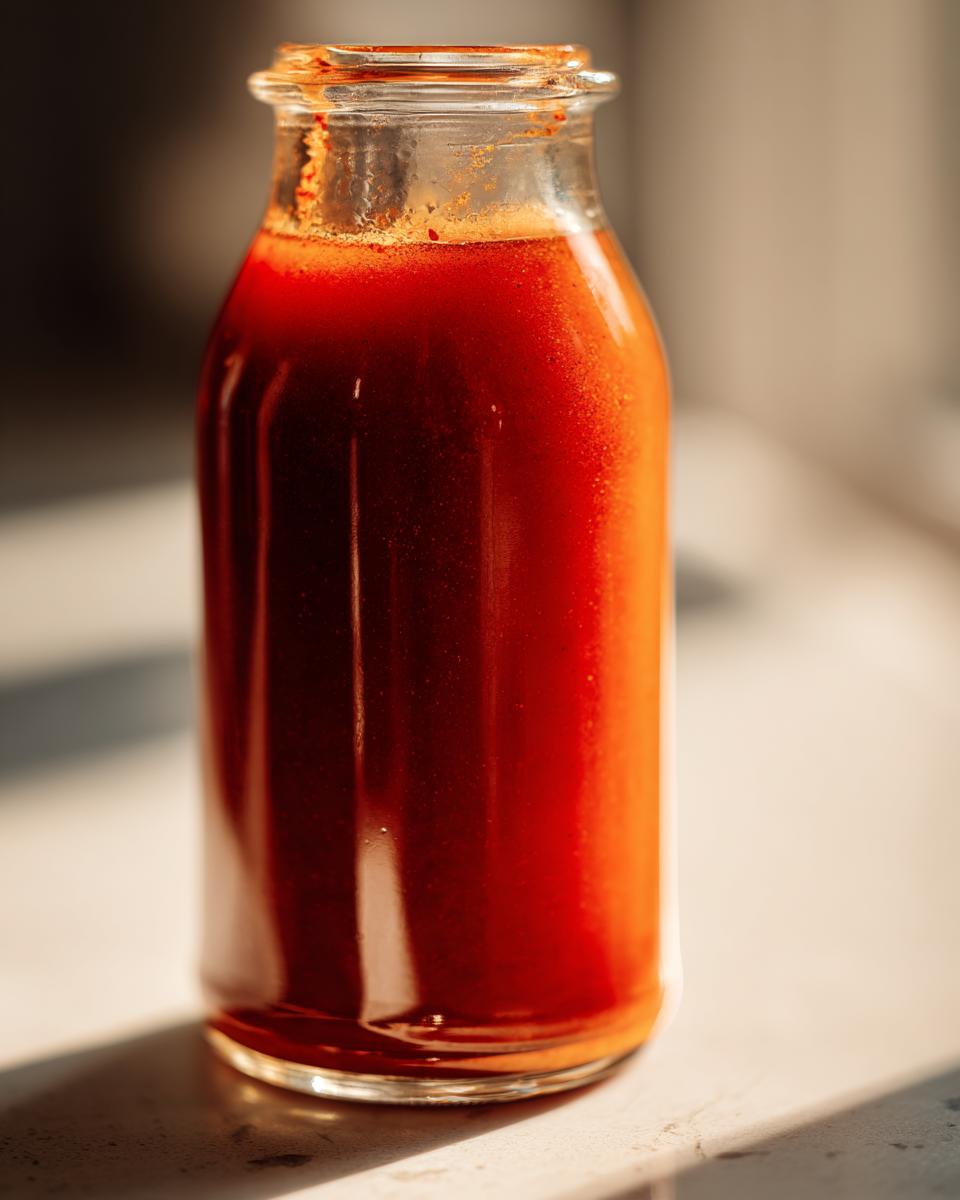
See? It’s flavor without the fuss. It’s so nice to know exactly what you’re putting on your food when you make your own **spicy condiment recipes**!
Frequently Asked Questions About Homemade Hot Sauce
I know when you tackle something new in the kitchen, like making your own homemade hot sauce, you always have questions fluttering around. That’s totally normal! I certainly did when I first started trying to replicate my favorite store-bought bottles using fresh peppers. Here are a few things I get asked all the time about this speedy stovetop method.
Can I make this recipe without vinegar for a fermented pepper sauce tutorial?
That’s a great question if you were aiming for a traditional **fermented pepper sauce tutorial**! For this specific recipe, though, the answer is no, not safely for shelf storage. We rely on the vinegar to act as the primary preservative for this quick-cook method. Fermentation is a whole different process that requires specific salt ratios and time to let those friendly bacteria develop. Since this guide focuses on stability and speed, we stick to the vinegar base. It’s the safest way to ensure you have stable spicy condiment recipes!
How can I make a low sodium hot sauce version?
Salt plays a role in balancing the flavor profile, even in small amounts, especially against the vinegar and peppers. But if you want to make a **low sodium hot sauce** version, you absolutely can reduce it! I’d suggest cutting the initial teaspoon of salt down to just a half teaspoon. If you taste it and feel it needs a little more punch (but not more sodium), you can try boosting the garlic or adding a few drops of lemon juice for brightness instead of adding more salt later on.
If you’re curious about other basic kitchen projects, you can check out how to start your own sourdough journey over here! It’s another simple process that teaches you a lot about ingredients.
Share Your Homemade Hot Sauce Creations
Now that you have the power to make your own incredible, flavorful **homemade hot sauce**, I really want to know what you think! Did you stick to the classic cayenne, or did you sneak in some mango like I suggested? This whole space, Daisy’s Recipes, is about building flavor memories together, and that means hearing from you!
When you make this batch, please leave a star rating right below this section so other folks know how reliable this simple stovetop method is. Don’t be shy—drop a comment below telling me exactly how you customized your mix. Did you add extra garlic? Did you try aging it for a week? I can’t wait to see what kind of spicy condiment you’ve created!
If you run into any questions while bottling or trying to store your sauce, feel free to reach out through my contact page. Happy cooking, and may your pantry always be stocked with the best **DIY hot sauce recipe**!
PrintSimple Homemade Hot Sauce Recipe
Make your own hot sauce from scratch using this easy, beginner-friendly recipe. This guide covers basic ingredients and stovetop instructions for a flavorful vinegar-based chili sauce.
- Prep Time: 15 min
- Cook Time: 20 min
- Total Time: 35 min
- Yield: About 1.5 cups 1x
- Category: Condiment
- Method: Stovetop Cooking
- Cuisine: American
- Diet: Vegan
Ingredients
- 1 pound fresh red chili peppers (like Fresno or Cayenne)
- 1 cup distilled white vinegar
- 1/2 cup water
- 2 cloves garlic, peeled
- 1 teaspoon salt
- 1 teaspoon sugar (optional, for balance)
Instructions
- Wear gloves when handling peppers. Cut the stems off the chili peppers. You may leave the seeds in for more heat or remove some for a milder sauce.
- Place the prepared peppers, garlic, vinegar, water, and salt into a non-reactive saucepan.
- Bring the mixture to a boil over medium-high heat, then immediately reduce the heat to a simmer.
- Simmer uncovered for 15 to 20 minutes, until the peppers are soft.
- Remove the saucepan from the heat and let the mixture cool slightly for about 10 minutes.
- Carefully transfer the pepper mixture to a blender or use an immersion blender. Blend until completely smooth. Add the optional sugar now if using.
- For a smoother sauce, strain the mixture through a fine-mesh sieve, pressing on the solids to extract all liquid. Discard the solids.
- Pour the finished hot sauce into clean, sterilized bottles. Allow the sauce to cool completely before sealing.
Notes
- For a fruit infused hot sauce, add 1/2 cup of chopped mango or pineapple during the simmering stage.
- To achieve a smoky chipotle sauce recipe flavor, use dried chipotle peppers or add 1/2 teaspoon of liquid smoke during blending.
- Refrigerate your homemade hot sauce. It will last for several months when stored properly.
- Adjust the vinegar and water ratio to control the final thickness and tanginess of your spicy condiment recipes.
Nutrition
- Serving Size: 1 tablespoon
- Calories: 10
- Sugar: 0.5
- Sodium: 150
- Fat: 0.1
- Saturated Fat: 0
- Unsaturated Fat: 0.1
- Trans Fat: 0
- Carbohydrates: 2
- Fiber: 0.3
- Protein: 0.2
- Cholesterol: 0