

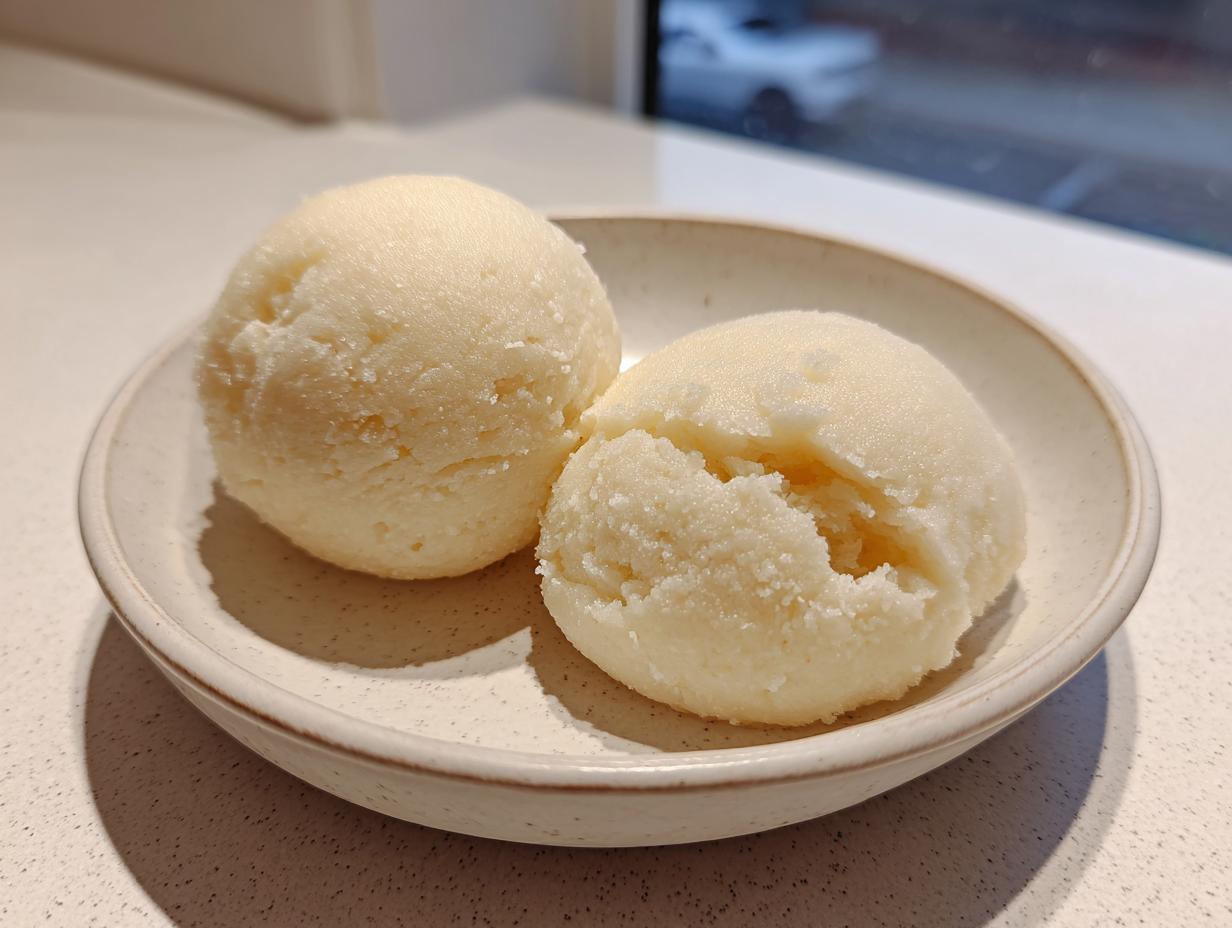
There is nothing quite like African comfort food—that warm, satisfying dish that feels like a hug from the inside out. For me, reconnecting with my grandmother Daisy’s legacy meant rediscovering the roots of soulful cooking, and that always leads straight back to fufu. It’s truly the heartbeat of so much West African food, an essential staple that seems intimidating at first glance. Trust me, I’ve simplified the process! This easy, beginner-friendly cassava fufu recipe gives you that perfectly soft, uniquely stretchy texture without needing a traditional mortar and pestle. I’ve adapted Grandma’s spirit of straightforward, honest cooking for our busy modern kitchens, and I can’t wait for you to try it.
- Why This Easy Fufu Recipe is Your New African Staple Food
- Ingredients Needed for Authentic Cassava Fufu
- How to Make Fufu: Step-by-Step Instructions
- Tips for Perfect Homemade Fufu Every Time
- What to Serve with Your Fufu and Soup Pairing
- Storage and Reheating Instructions for Leftover Fufu
- Frequently Asked Questions About Making Fufu
- Nutritional Estimate for Cassava Fufu
- Share Your Experience Making This Fufu Recipe
Why This Easy Fufu Recipe is Your New African Staple Food
When I started cooking this for myself in the city, I needed reliability. This recipe delivers guaranteed comfort, making it an amazing starter if you’re new to West African food. You don’t need fancy equipment or hours of time to master this dish.
- You get that essential soft, wonderfully stretchy fufu texture every time.
- It’s officially a beginner fufu recipe—if you can boil a potato, you can make this!
- It’s naturally gluten free fufu, which is fantastic for folks watching their grains.
Achieving Perfect Stretchy Fufu Texture
The secret to getting that incredible, pliable dough isn’t some ancient, impossible technique. It really comes down to two things: First, you need the cassava chunks to be fully broken down and soft after boiling. Second, you have to mash it *vigorously* while slowly introducing just enough of that starchy cooking water back in. That slow, controlled addition is what builds the structure you want.

Ingredients Needed for Authentic Cassava Fufu
When I first tried making this comfort food, I stressed out thinking I needed a specialty store. Nope! You can find what you need. Remember, a traditional African staple food like this adapts well. For this version, we are sticking to cassava because it gives you that beautiful, classic smooth result—maybe the easiest path for a first-timer.
- 2 lbs cassava (fresh or frozen is fine!)
- 6 cups water (plus extra just in case while cooking)
- 1/2 teaspoon salt (optional, only if you like a tiny bit of flavor built-in)
If you look around, you might see recipes calling for yams or plantains instead of the starchy cassava root. Those are wonderful variations of this dish, but using pure cassava really keeps things simple for your first go-around.
Ingredient Notes and Substitutions for Fufu
If you can only find frozen cassava chunks, don’t panic! Frozen is often easier because the peeling is already done. Just make sure you thaw them slightly or add a few extra minutes to the boiling time until they are fork-tender.
The cooking water is surprisingly important! Make sure you drain the bulk of it after boiling, but always keep about a cup aside. That starchy liquid is magic; it’s what brings the mash together into that signature doughy texture without making it watery. If you decide to switch to yam, know that the resulting swallow will be slightly lighter in color and perhaps a tiny bit less smooth than the cassava version.
How to Make Fufu: Step-by-Step Instructions
Okay, this is the part where we move from theory to dinner! Making this fufu isn’t a complicated process, but it does require attention during the boiling and mashing. Follow these steps closely, and you’ll be proud of the amazing traditional african dish you created in under an hour. Don’t stress about the technique; it’s about consistency, and I’m here to guide you through it. You might even find yourself looking forward to making this for your weeknight dinners!
Preparing the Cassava for Boiling
First things first: we need to tackle that cassava. If you bought it whole, peeling takes some elbow grease. You need to peel it completely, getting rid of all that tough outer skin and the slightly pink layer underneath. Be careful with your knife here; that thick skin can be stubborn! Once it’s clean, chop the root into uniform, manageable chunks. I aim for pieces about 1 to 1.5 inches square. Keeping them similar in size helps them all cook evenly, which is crucial for the next step.
Mashing and Achieving Stretchy Fufu Consistency
After boiling the chunks until they are super soft—I mean, fork drops right through—drain off most of that liquid, but be sure to save about a cup of the murky cooking water. That water is liquid gold for texture!
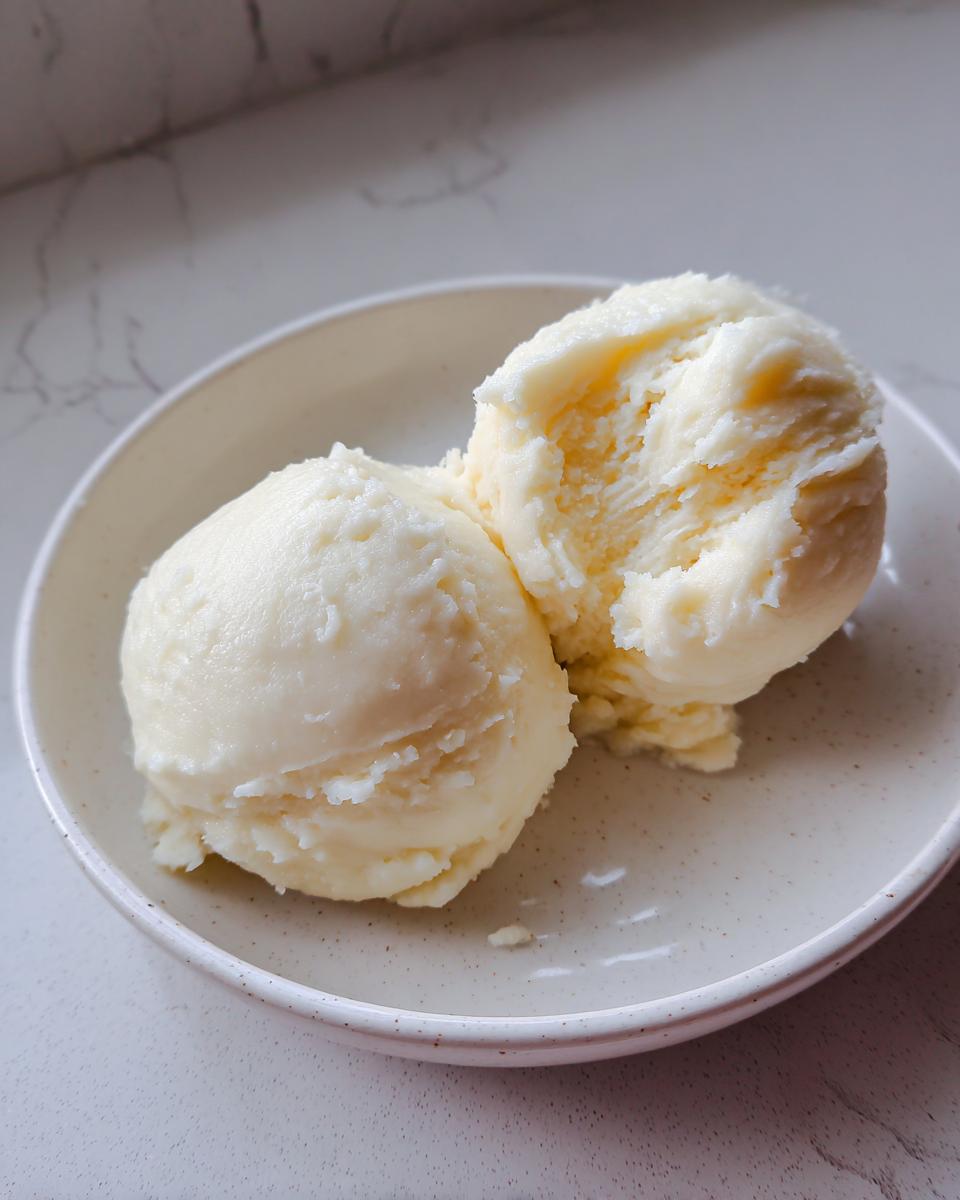
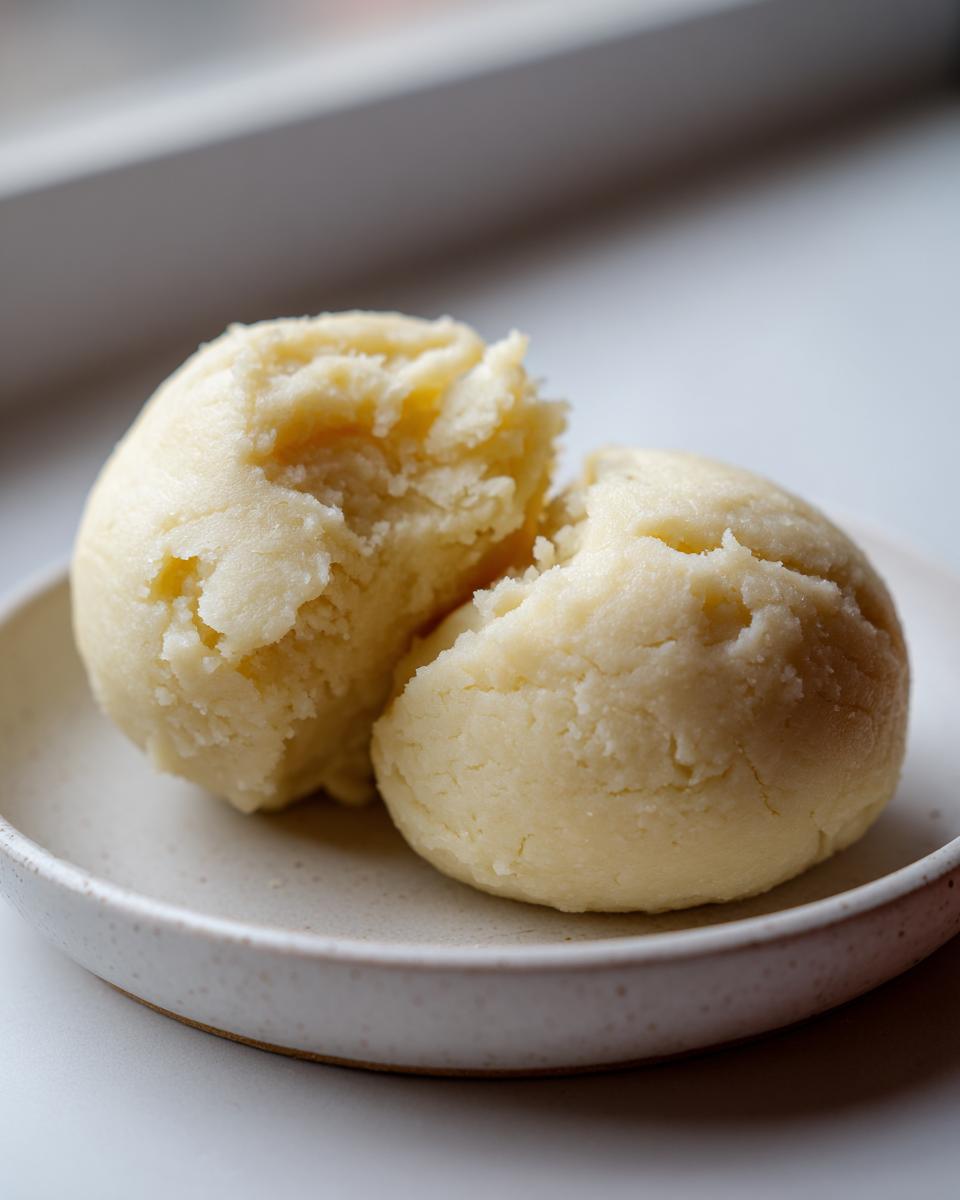
Now comes the fun part, which might make you sweat a little! Transfer the cooked cassava into a big, sturdy bowl. Take a heavy wooden spoon or use your food processor on a low setting. You have to start mashing or processing with serious effort. As you mash the sticky solids, begin introducing that reserved cooking water *one tablespoon at a time*. Seriously, don’t dump it in! Adding it slowly allows the starch to activate and bind everything. Keep mashing, incorporating the liquid bit by bit, until you feel the mixture completely change consistency. It will shift from something crumbly to a smooth, stretchy ball of dough. That gorgeous, pliable dough is your authentic, homemade fufu!
Tips for Perfect Homemade Fufu Every Time
Even though this is a beginner fufu recipe, there are a few sneaky pitfalls that can stop you from getting that perfect swallow. In my early attempts, thinking I was saving time, I totally rushed the mashing phase. That’s a huge mistake! If you don’t put enough elbow grease (or machine power) into breaking down those cooked chunks, you end up with a lumpy mess instead of a smooth side dish.
I remember one time, I was rushing before work, and I only processed the cooked cassava for about thirty seconds before adding the water. It looked okay, but when I tried to scoop it, it crumbled apart instead of stretching. It was completely sad!
The fix, which I now swear by, is patience during the first mash. After that initial mashing, I let the mixture rest for about five minutes—just enough time to let the steam redistribute. Then, I dive back in with the wooden spoon, really pounding it against the side of the bowl, before slowly adding the starchy water. That resting period, followed by renewed vigorous mashing, lets the starch fully hydrate and bond correctly. It transformed my lumpy attempts into something truly wonderful, soft and elastic without turning into gummy glue.
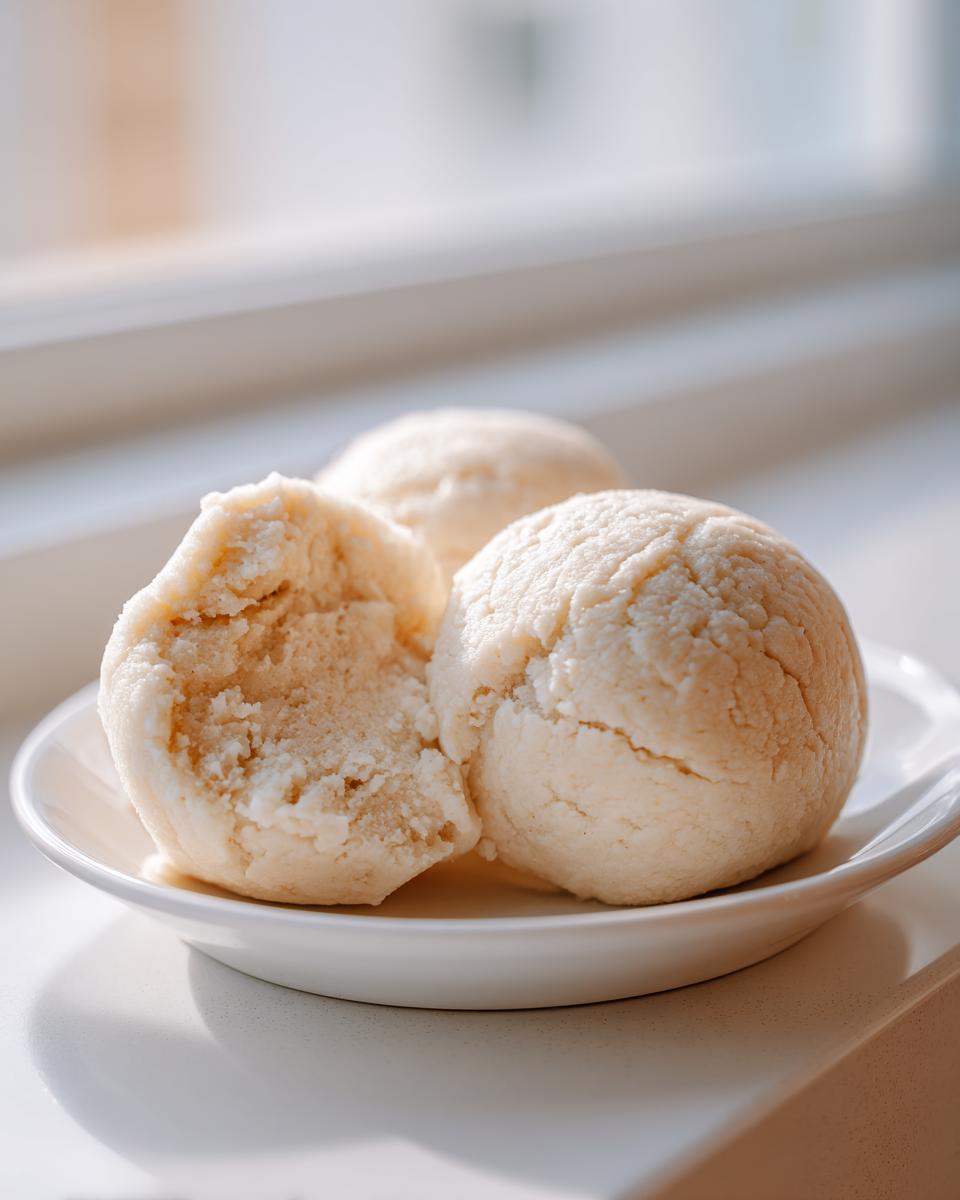
Here are a couple of other small things that make a huge difference when you are working with this traditional comfort food:
- Don’t Over-Boil the Cassava: If it’s boiled too long, it starts falling apart too easily, and when you mash it, you lose the necessary structure needed to create that stretch. We want tender, not mushy!
- Keep It Hot: This dough likes to stay warm while you work it. If your hands get tired, the dough cools down, and it becomes stiff and harder to work with. I often put my mixing bowl into a slightly larger bowl filled with hot water while I rest my arm. It keeps that beautiful dough pliable.
- Use Quality Tools: If you are trying to mash this by hand, you need a heavy wooden spoon or a sturdy ricer. Trying to use a flimsy whisk or a regular spatula just won’t cut it during that final binding stage.
If you’re interested in other simple doughs that require a bit of kneading skill, check out my recipe for soft skillet naan bread. The principles of building structure are similar, just with different ingredients!
What to Serve with Your Fufu and Soup Pairing
So, you’ve made this incredible, soft, and stretchy fufu! Congratulations! Now comes the absolute best part: choosing what to scoop it up with. This traditional african dish isn’t meant to be eaten alone; it’s the perfect neutral, comforting vessel for rich, flavorful stews and soups. Think of it as the ultimate tool for soaking up every last drop of savory goodness on your plate.
When folks search for this recipe, they are almost always thinking about pairing it with something iconic. You absolutely, positively must try serving this cassava fufu with a hearty Egusi soup or a creamy Peanut soup. They are classic combinations for a reason—the richness of the soup is perfectly balanced by the smooth swallow.
If you are looking for something else hearty, I’ve got a fantastic creamy pumpkin curry that has a similar depth of flavor that loves being served over a mound of warm swallow, even though it’s not strictly West African. I think fusion is wonderful when the flavors simply work!
Exploring Other West African Food Pairings for Fufu
While Egusi and Peanut Soup are the heavy hitters, don’t limit yourself to just those two! Exploring other world cuisine recipes from the region opens up so many doors. Depending on what ingredients you have on hand, you can always switch things up for variety.
If you are looking for something with a lighter vegetable base, try serving your swallow with Okra Soup—it has a lovely texture that complements the doughiness of the swallow beautifully. Another highly traditional option is Light Soup, which is usually made with tomatoes, pepper, and might feature meat or fish. It’s tangy and lighter than the peanut-based options, which is nice in warmer weather.
And if you happen to come across a recipe for Palm Nut Soup, grab it! It’s rich and earthy, and honestly, anything that needs to be scraped off the bowl with a perfectly formed ball of fufu is worth the effort!
P.S. If you do decide to dive into making that classic savory stew, you absolutely have to check out this amazing Egusi Soup recipe I found. It’s robust and just sings when paired with this swallow.
Storage and Reheating Instructions for Leftover Fufu
Now, let’s be real. If you’re like me, you might make a bit too much because who can stop eating delicious homemade swallow once they get going? The good news is that this dough keeps pretty well, which is a huge plus for an African comfort food staple. But you do need to treat leftovers right if you want them to still be enjoyable the next day.
First, when storing, wrap each shaped ball tightly in plastic wrap. You don’t want air hitting it! Pop those tightly wrapped balls into an airtight container. This dough is best when eaten fresh, usually within 2-3 days max in the refrigerator. Any longer than that, and it starts to get hard, even when moist.
If you’re the patient type, freezing works too! Wrap those balls individually with plastic wrap and then foil, and they should hold up for about a month. They freeze beautifully this way, which is great if you want to keep some on hand for a sudden craving later on.
Reheating is where you bring it back to life. Do *not* microwave a frozen ball straight out of the freezer; it’s just sad. The best way to restore that soft texture is to steam it gently. You can place the wrapped balls in a steamer basket over simmering water for about 5 to 8 minutes. This warms it through evenly and brings back a lot of that original moisture and stretch. If you are reheating the refrigerated dough, a few minutes of steaming or even dropping it into your hot soup for a minute or two works wonders.
If steaming isn’t an option, a quick microwave burst with a damp paper towel laid over the top can work in a pinch, but watch it closely—maybe 20 seconds at a time—until it’s warm and pliable again. It won’t be quite as soft as freshly made, but it’s certainly better than eating cold, hard dough! If you want to try another use for leftovers that are getting a little firm, check out my recipe for old-fashioned vanilla sauce—just kidding! Stick to the steamer for this one!
Frequently Asked Questions About Making Fufu
I know questions pop up like popcorn when you try a new recipe, especially one that feels rooted in such rich culinary tradition. I get so many messages asking about instant mixes or comparing this cassava version to other starches. Don’t hesitate to learn; that’s how we honor the culture behind this amazing food! I compiled some of the most common things I hear about making great fufu right here.
Can I use instant fufu flour instead of fresh cassava?
You absolutely can! That’s the shortcut route, and honestly, some days we all need one. Instant flour (usually made from pre-cooked cassava or yam) is designed to mimic the final texture instantly, usually just by mixing it with hot water and stirring vigorously. My big caveat? It rarely, if ever, achieves that beautiful, naturally developed, slightly stretchy texture you get from boiling and pounding fresh cassava. If you are aiming for that authentic soft swallow feel, a beginner fufu recipe using the boiling method is the way to go. Instant flour tends to be a bit denser.
Is this cassava fufu recipe similar to a yam swallow recipe?
Yes, they are absolutely in the same family! This yam swallow recipe is very closely related. Both cassava and yam result in a fantastic, starchy side dish that shares the same role in a meal—acting as the perfect base for soup. The main difference is purely in the subtle flavor and final texture. Cassava tends to be slightly chewier and very smooth when you get the mashing right. Yam can sometimes feel a little lighter or slightly grainier, but both are considered staples of West African food.
Is the fufu dough healthy, or is it just carbs?
That’s a fair question, especially if you’re tracking your macros! Since this is a healthy fufu recipe made from a starchy root vegetable, yes, it is high in carbohydrates—it’s designed to be filling and energy-giving, which is why it’s such an essential African staple food. However, because we aren’t adding any fats or sugars during the making of the dough itself, it’s fairly clean, and it is naturally gluten free fufu. Its health factor really comes down to what you serve it with! You can read more about what different regions use in their starch bases over at What is Fufu? if you’re curious.
Why is my finished swallow sticky and gummy instead of smooth?
Oh, I know that sticky kitchen counter feeling! That usually means one of two things happened: either you added too much of the reserved cooking water too quickly, or you didn’t mash it long enough. If you dump the liquid in too fast, you overpower the starch’s ability to absorb it evenly, creating a gluey situation rather than a cohesive dough. Next time, try adding the liquid in teaspoon amounts while you continuously pound it with that wooden spoon. If you’re having trouble, setting your bowl over simmering water (steaming) while you stir and mash can sometimes help loosen it up so you reach that perfect texture.
If you are trying to eat cleaner in general, I always share tips for lighter meals over on my healthy breakfast ideas page!
Nutritional Estimate for Cassava Fufu
When we talk about traditional dishes like this, especially ones rooted deeply in agriculture like our cassava fufu, I always feel the need to give a little disclaimer here. Nutrition facts are tricky, right? Depending on the specific type of cassava you find, how much water it held when harvested, or even how much salt you tossed in, those numbers can shift.
Because my focus here at Daisy’s Recipes is always on the *method* and the *heart* of the food, I don’t want to give you hard numbers that might not match your specific batch. Please understand that the nutritional values listed in the comprehensive recipe card are only estimates. They are based on standard calculations for the ingredients used in this specific preparation.
If you are tracking specific nutrients closely, you’ll want to plug in the exact weights you used—especially for the cassava—into your favorite nutritional tracker. That way, you get precise data, not just my best guess! This recipe is wonderfully gluten free, but like all root-based dishes, it is certainly carbohydrate-forward, giving you that wonderful sustained energy needed for long days.
Share Your Experience Making This Fufu Recipe
Now that you have mastered making this gorgeous, soft fufu, I truly want to hear all about it! This recipe, handed down through generations, feels truly complete when I know it’s making its way onto your table. Did you try it with Egusi soup, or did you go for the Peanut blend? Did you achieve that perfect stretch I promised you?
Please, take a moment right now to drop a rating below. I aim for five stars, of course, but your honest feedback helps me fine-tune my instructions for the next home cook who feels intimidated by making this classic West African food for the first time. Every comment helps build our little kitchen community here at Daisy’s Recipes!
And if you took a picture while you were serving up your swallow for dinner—maybe it’s piled high next to a savory stew—I would be thrilled if you shared it! Tag us online so I can see how you styled your plate. It truly warms my heart to see Grandma Daisy’s legacy being cooked and enjoyed all over the country.
If you have any follow-up questions that weren’t covered in the FAQs, or if you want to suggest a new variation (maybe a sweet version?), pop over to my contact page and send me a note directly. I read every message!
PrintEasy Authentic Cassava Fufu Recipe for Beginners

Learn how to make soft, smooth West African Fufu using cassava. This beginner-friendly recipe yields a traditional staple food perfect for pairing with your favorite soups and stews.
- Prep Time: 15 min
- Cook Time: 35 min
- Total Time: 50 min
- Yield: 4 servings 1x
- Category: Side Dish
- Method: Boiling and Mashing
- Cuisine: West African
- Diet: Gluten Free
Ingredients
- 2 lbs cassava (or yams/plantains for variation)
- 6 cups water
- 1/2 teaspoon salt (optional)
Instructions
- Peel the cassava completely and cut it into small, manageable chunks.
- Place the cassava chunks into a large pot and cover them with 6 cups of water. Add salt if you are using it.
- Bring the water to a boil over high heat, then reduce the heat to medium and cover the pot.
- Boil the cassava until it is very soft and easily pierced with a fork, about 25 to 35 minutes.
- Drain the cooked cassava, reserving about 1 cup of the cooking water.
- Transfer the cooked cassava to a sturdy bowl or the bowl of a food processor.
- Begin mashing the cassava vigorously with a heavy wooden spoon or use the food processor on a low setting.
- Gradually add the reserved cooking water, one tablespoon at a time, while continuing to mash or process until the mixture becomes smooth, stretchy, and dough-like. You may not need all the reserved water.
- Shape the fufu dough into smooth, small balls for serving.
- Serve immediately with Egusi soup, peanut soup, or your preferred West African stew.
Notes
- For a truly authentic texture, use a traditional wooden mortar and pestle for the final pounding stage after initial mashing.
- This recipe is naturally gluten free, making it a healthy fufu recipe option.
- Fufu is best eaten the day it is made.
Nutrition
- Serving Size: 1 ball
- Calories: 220
- Sugar: 0.5
- Sodium: 5
- Fat: 0.3
- Saturated Fat: 0.1
- Unsaturated Fat: 0.2
- Trans Fat: 0
- Carbohydrates: 50
- Fiber: 3
- Protein: 2
- Cholesterol: 0